
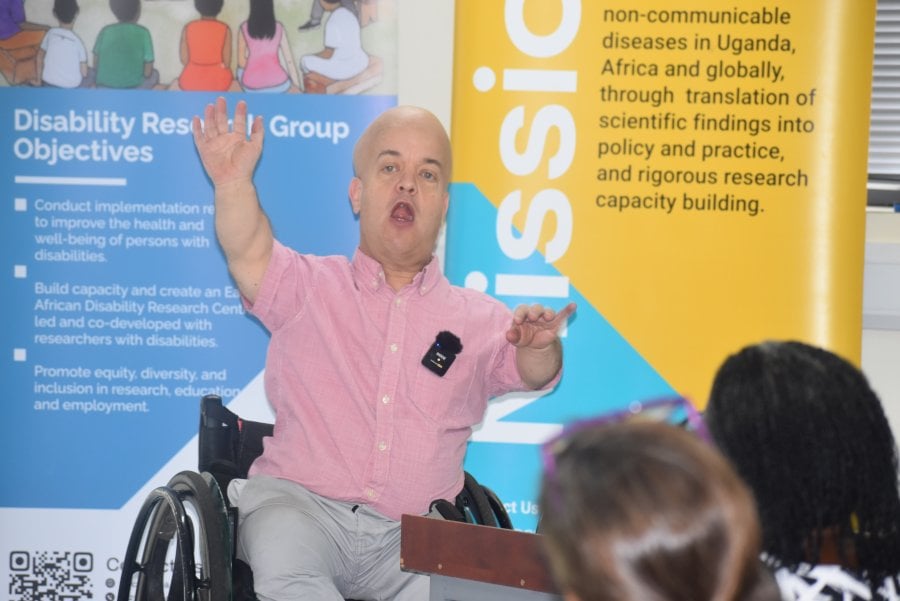
The event brought together participants from across sectors including government, academia, and organisations of persons with disabilities to build practical skills for inclusion throughout the research process.
The first two days focused on hands-on training, where participants explored how to design and conduct studies that meaningfully engage persons with disabilities, ensure accessibility in research environments, and promote ethical practices and inclusion in research teams. Sessions included group work, case studies, and reflections from persons with lived experience of disability.
Participants also discussed inclusive policy and practice delving into topics such as ethics and consent. The training formed part of a broader shift towards equitable health research systems in which persons with disabilities are active partners in generating and applying evidence.
Globally, over a billion people live with disabilities, yet they continue to face major health inequities including reduced access to health services, poorer outcomes, and exclusion from research and policy decision-making. Established six years ago, the DRG conducts research to improve the health, development, and quality of life of persons with disabilities across East Africa.
Dr. Femke Bannink Mbazzi, Head of the Disability Research Group, noted that the initiative is helping close the gap between intention and practice in inclusive research. “Our work aims to bridge the gap between intention and practice in disability-inclusive research by building capacity in Uganda and East Africa,” she said.
Professor Tom Shakespeare, Co-Director of ICED at LSHTM, spoke to participants about the importance of embedding inclusion at every stage of research. "By equipping more people with disabilities to actively participate and lead research, we can move towards overcoming the idea that only non-disabled researchers can determine how we study disability and health,” he said.
“Being in one room with people with different disabilities has been a good learning experience. The openness, support, and willingness to help one another have truly stood out. For instance, I had never used sign language before this training and learning it has been both empowering and inspiring. I look forward to applying it in my workplace to promote better communication and foster a more inclusive environment.” said Geofrey Musanje, a Pharmacist at Nakaseke General Hospital & Secretary for Persons with Disabilities at the National Organisation of Trade Unions, Uganda.
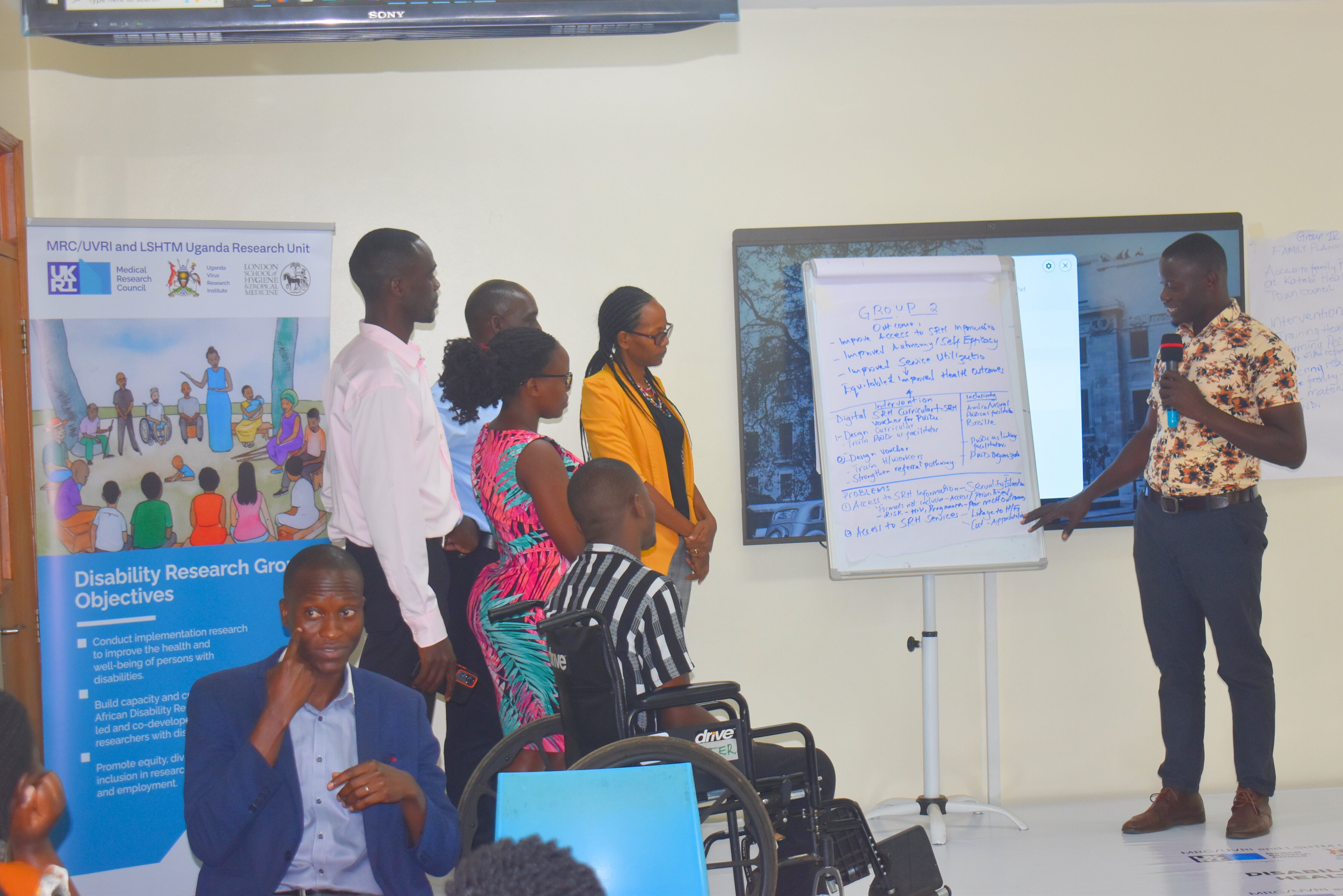
The third day featured a disability research seminar and open day, offering participants an opportunity to share insights with policymakers, partners, and the public. The event included exhibitions of assistive technology and demonstrations of reasonable accommodations that support researchers with disabilities in their work.
While delivering his remarks, Prof. Moffat Nyirenda, Unit Director, reaffirmed the Unit’s 35-year legacy of tackling major health challenges through conducting research that improves quality of life for all.
“True progress in health research depends on inclusion - ensuring everyone is seen, heard, and represented. At the Unit, we’re committed to conducting science grounded in equity, dignity, and participation. This Open Day is an opportunity to showcases our work and to strengthen partnerships to make our research even more inclusive.”
Dr. Arnold Kabbale, Health Advisor at the British High Commission in Uganda, resounded the importance of equity across research and medical programmes. “Disability inclusion must be integral to our efforts to improve health systems,” he emphasised. “Equity means ensuring that all people, including those with disabilities, can access and benefit from health research and interventions.”
Representing Dr. Upenytho George, Commissioner for Community Health Services at the Ministry of Health, Dr. Ochorin Jimmy commended the Unit’s practical approach to research and its alignment with national priorities. “The Ministry of Health is developing its first strategic plan for disability rehabilitation and assistive technology,” he said. “This plan emphasises early identification, management, and rehabilitation of people with disabilities, ensuring that inclusive health services and disability research go hand in hand.”
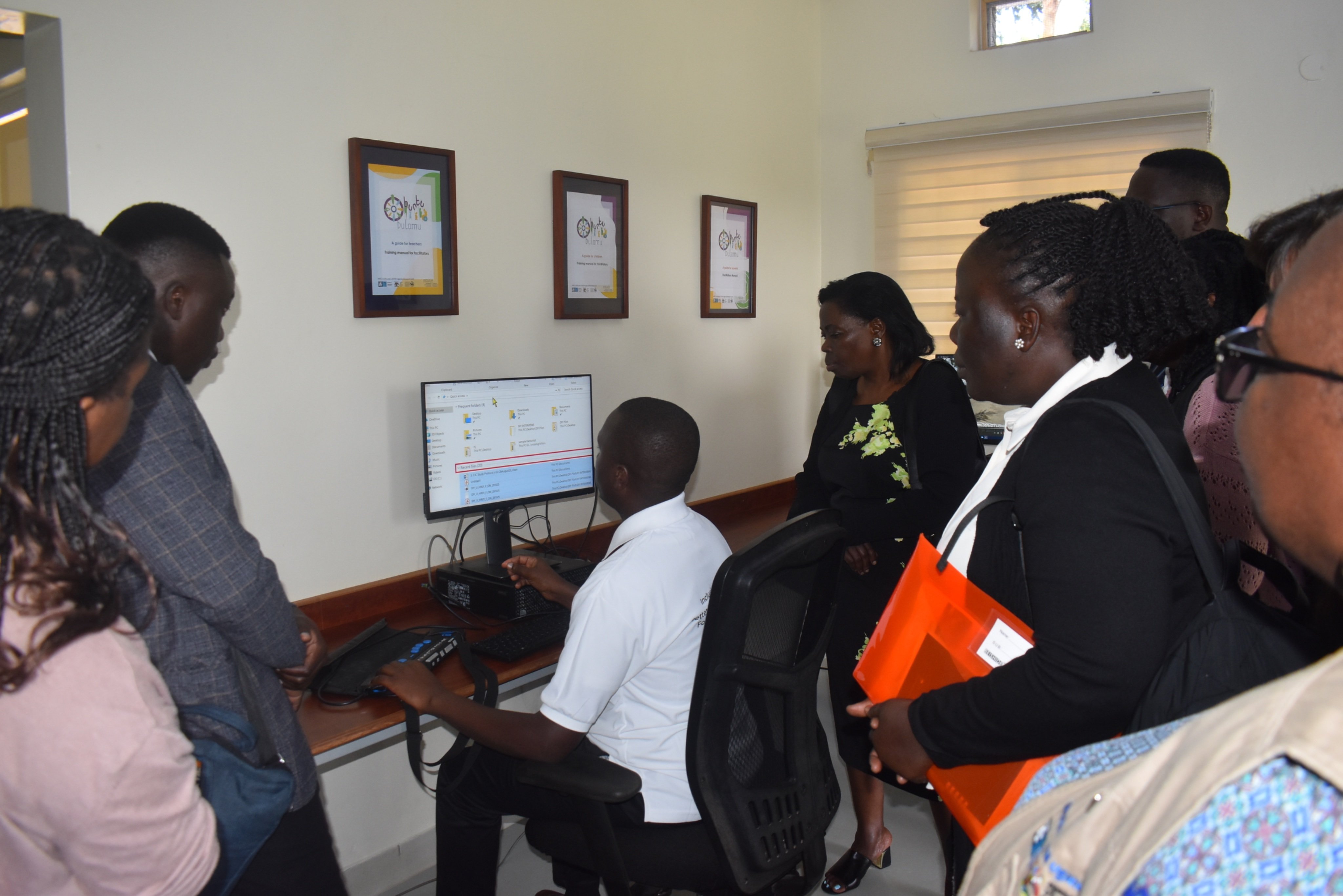
The open day also celebrated ongoing collaborations among DRG, the Programme for Evidence to Inform Disability Action (PENDA), and the Disability Inclusive Youth (DIY) projects. Funded by the UK’s Foreign, Commonwealth and Development Office (FCDO), PENDA works to improve the wellbeing and inclusion of persons with disabilities in low- and middle-income countries by strengthening knowledge, evidence, and tools. DIY is a an innovative and co-creative Wellcome-funded programme to improve inclusion of children and youth with disabilities in health research in East Africa. Youth trained in the DIY programme co-facilitated the training and ran awareness activities on the open day.
These efforts mark a growing movement toward equitable and inclusive research systems in Uganda, where persons with disabilities are not only participants but leaders in shaping the health research agenda.
Learn more:
Disability Research Group – East Africa
PENDA Programme
ICED
If you enjoyed this article and would like to build a career in global health, we offer a range of MSc programmes covering health and data, infectious and tropical diseases, population health, and public health and policy.
Available on campus or online, including flexible study that works around your work and home life, be part of a global community at the UK's no.1 public health university.