Rapid reaction: Mosquitoes that carry chikungunya, dengue and Zika virus breeding in UK
3 September 2026 London School of Hygiene & Tropical Medicine London School of Hygiene & Tropical Medicine https://lshtm.ac.uk/themes/custom/lshtm/images/lshtm-logo-black.png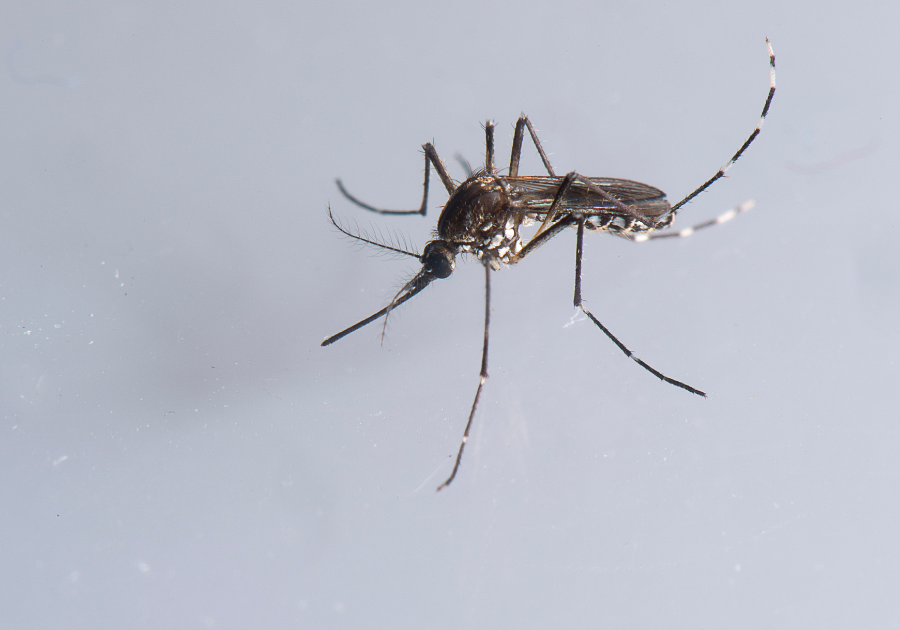
On Thursday 3 September 2026, it was announced that Aedes aegypti, an invasive species of mosquito known to transmit viruses including dengue, chikungunya and Zika, has been found breeding in the UK for the first time.
The UK Health Security Agency (UKHSA) is undertaking enhanced surveillance and trapping following the detection of Aedes aegypti mosquitoes and larvae, in residential properties in east London.
Aedes aegypti mosquitoes usually live in tropical and subtropical countries, but they can ‘hitchhike’ via vehicles, baggage or imported plants. This is the fourth time the species has been detected in the UK.
Martin Hibberd, Professor of Emerging Infectious Disease at the London School of Hygiene & Tropical Medicine (LSHTM), said: “Finding Aedes aegypti breeding in London is a milestone event as the UK’s rising temperatures drive an increasing risk of contracting Zika, chikungunya or dengue infections from their blood meal bites.
“While the current mosquitoes are unlikely to be infected, and so the risk to people will be low, their presence may indicate a regular summer event in future years. These mosquitos will not survive the cooler weather of autumn or winter, but new introductions next year may lead to breeding again.
“In other parts of the world where this happens, small disease outbreaks can occur if an infected human traveller, perhaps as a result of their journey to a country where these disease are endemic, is bitten at home by one of these local mosquitos, infecting them. A chain of transmission, from mosquito to human to mosquito, can then be established, with potential disease outcomes, during the summer months.
“These mosquitoes live in and around human habitations, and are perfectly adapted to city life, all they need is the right climate conditions, which the UK is now more regularly experiencing. Mosquito detection and eradication programs now need to be activated, to ensure that this does not become a bigger risk.”
Dr Robert Jones, Assistant Professor in the Department of Disease Control at LSHTM, said: “Even in outbreak situations, only a fraction of mosquitoes are infected, so the risk to the public from this finding is very low. However, people can take simple steps to make their gardens and outdoor spaces less suitable for mosquitoes.
“Mosquitoes can lay eggs in buckets, containers, plant pots and other places where water accumulates, so removing standing water can help limit the places available for them to lay eggs and reduce the likelihood of populations becoming established.”
Oliver Brady, Professor of Spatial Epidemiology at LSHTM, said: “Dengue is an increasing global threat, with Europe experiencing a growing number of larger and more frequent outbreaks over the past decade.
“For dengue to spread locally in the UK, the mosquitoes that transmit the virus need to become established here and so far, despite multiple introductions, they have not been able to do this.
“This means that while detecting Aedes aegypti breeding in London is important, it does not mean that dengue transmission is imminent in UK. There is currently no evidence that these mosquitoes have caused human infections or that the species has become established.”
Dr Enny Da Paixao Cruz, Associate Professor at LSHTM, said: “Beyond the risk of dengue, the establishment of the Aedes aegypti mosquito in the UK opens the door for other widespread tropical arboviruses like Zika and chikungunya. These infections carry severe long-term consequences: for example, Chikungunya can lead to chronic, debilitating joint pain, while prenatal Zika exposure is linked to severe birth defects, including microcephaly.
“The detection of Aedes aegypti mosquitoes highlights the urgent need to stop vector establishment before these diseases take root. Preventing these mosquitoes from establishing here is critical because we have no widely deployed vaccines for Zika or Chikungunya, and dengue vaccines cannot be used as a blanket solution for the general population due to age and eligibility restrictions. Active environmental management and vector control are our immediate line of defence.”
This is a rapid reaction to a breaking news story.
If you enjoyed this article and would like to build a career in global health, we offer a range of MSc programmes covering health and data, infectious and tropical diseases, population health, and public health and policy.
Available on campus or online, including flexible study that works around your work and home life, be part of a global community at the UK's no.1 public health university.