
Job title: CEO and General Director (PhD Candidate at Seoul National University)
Organisation: GreenGoods Co. (The Green Company) and Seoul National University
Location: Vientiane, Laos
Email address: [email protected]/ [email protected]
Tell us about your current role.
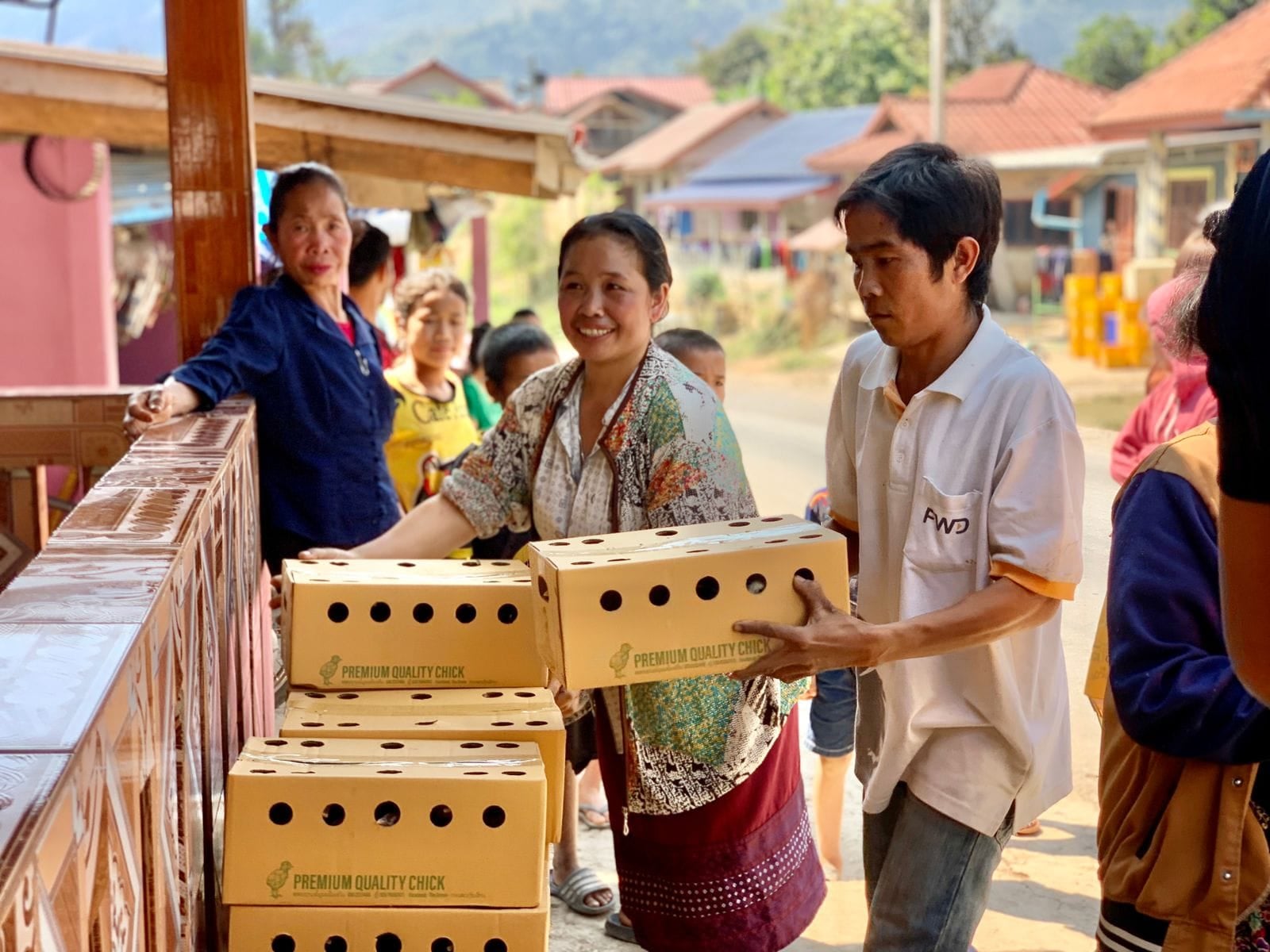
As the CEO of GreenGoods, I lead the establishment of a technically integrated poultry value chain in Laos, focusing on sustainable egg production and smallholder cooperative models. Driven by a strong conviction that school meals must utilise local agricultural produce, I am also pursuing a PhD at Seoul National University, researching data-driven climate adaptation and supply chain optimisation for developing agricultural economies.
What’s something exciting that you’ve worked on recently?
We are currently working with the Vientiane Ministry of Education to officially supply our cooperative-produced baked eggs for the institutional school meal program, following a highly successful pilot. Ahead of the official school opening in September, we are deeply engaged in administrative coordination with the Lao government and refining our technology to ensure stable logistics, taste consistency, and shelf-life management across 12 target schools.
What did school meals look like when you were growing up?
When I was growing up in South Korea, school meals were the highlight of my day; I was clever enough to always line up last because the kitchen staff would generously hand out the remaining surplus food. This childhood memory taught me first-hand how powerful school meals are – not only as a tool to improve student nutrition but also as a direct incentive that boosts school enrolment rates.
What impact do you hope your work will have?
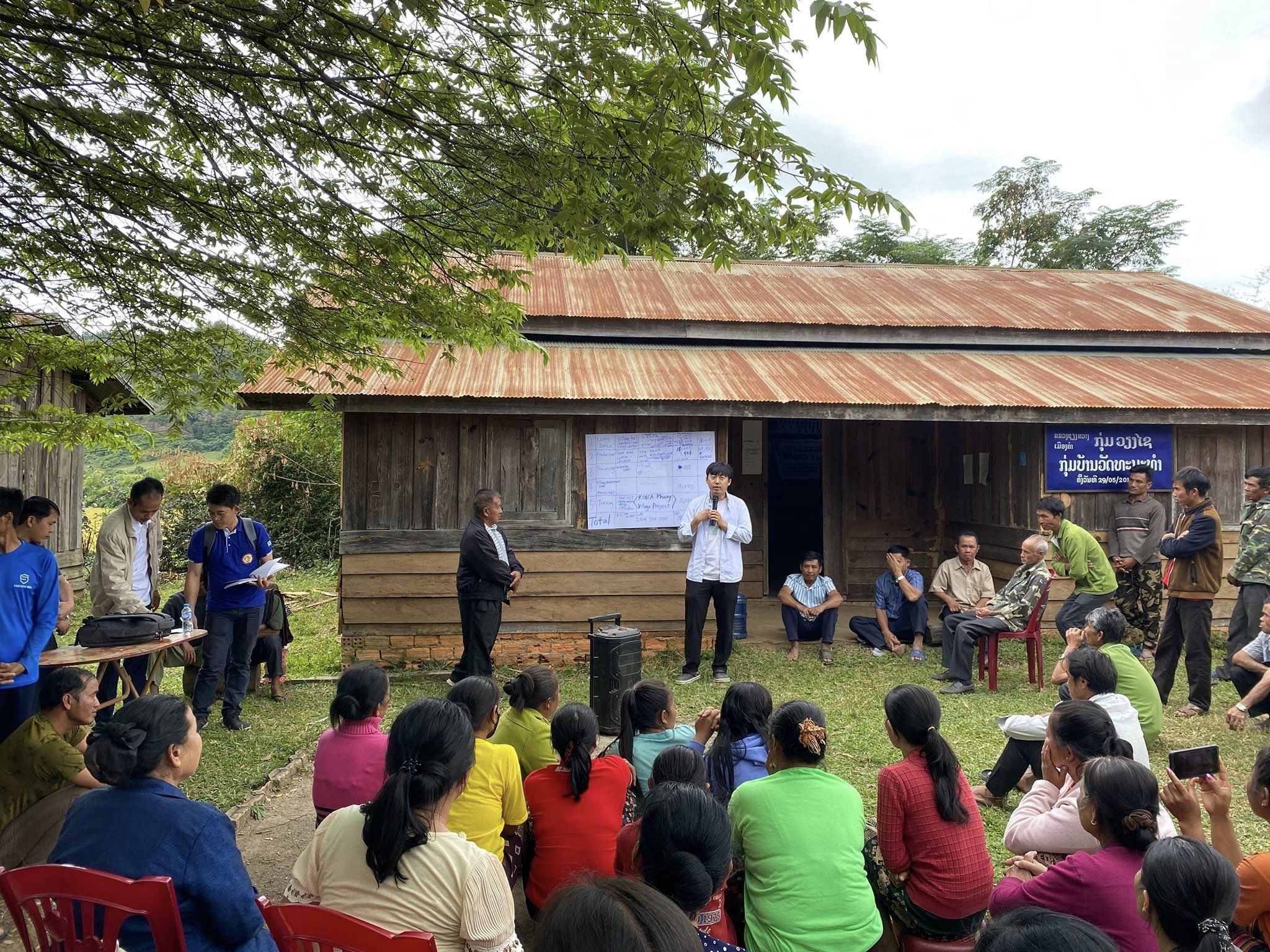
With a background in agricultural economics, I believe school meals must benefit local rural communities by serving as a stable, predictable market that empowers smallholder farmers to form resilient cooperatives. In an era of escalating climate risks, our company aims to establish a scalable model that helps local farmers minimise livestock mortality and manage production risks, transforming school nutrition into a catalyst for rural economic stability.
How can people get involved or stay up to date with your work?
You can learn more about our vision through our corporate video or contact me directly via email for collaborative opportunities. We also warmly welcome ongoing engagement and knowledge-sharing through the Special Interest Group on Eggs to co-create sustainable nutrition frameworks.
Special Interest Group on Eggs
Are you interested in the role of eggs in school meals? Join the Research Consortium's Special Interest Group on Eggs – a space for practitioners, researchers, policymakers and programme leaders to exchange ideas and experiences from around the world. From nutrition and local agriculture to supply chains and sustainability, eggs sit at the intersection of many of the key challenges and opportunities facing school meal programmes today.
The group aims to connect Global Academy members who see eggs not simply as a food item, but as a practical way to strengthen local food systems and support more sustainable school meals. Members will have the opportunity to share evidence, discuss policy and implementation challenges, and potentially collaborate on future webinars and knowledge products.
The Special Interest Group will be convened by Jaewon Lee, who is working to explore the nutritional value and practicality/usability of eggs in the school diet and exploring the translation of this research into practice through a pilot programme in Laos to integrate locally produced, roasted eggs into school meal programmes.
The group is particularly interested in discussing two technical bottlenecks:
- Overcoming logistical barriers: Analysing how processed egg solutions (e.g., roasted eggs) can eliminate cold-chain dependencies in resource-constrained environments.
- Standardising quality control: Establishing scalable bio-safety and quality assurance protocols for smallholder-led supply chains.
If you would like to be involved, please write to us at [email protected]
If you enjoyed this article and would like to build a career in global health, we offer a range of MSc programmes covering health and data, infectious and tropical diseases, population health, and public health and policy.
Available on campus or online, including flexible study that works around your work and home life, be part of a global community at the UK's no.1 public health university.