
Participatory Learning and Action for Disability (PLA-D) in Uganda
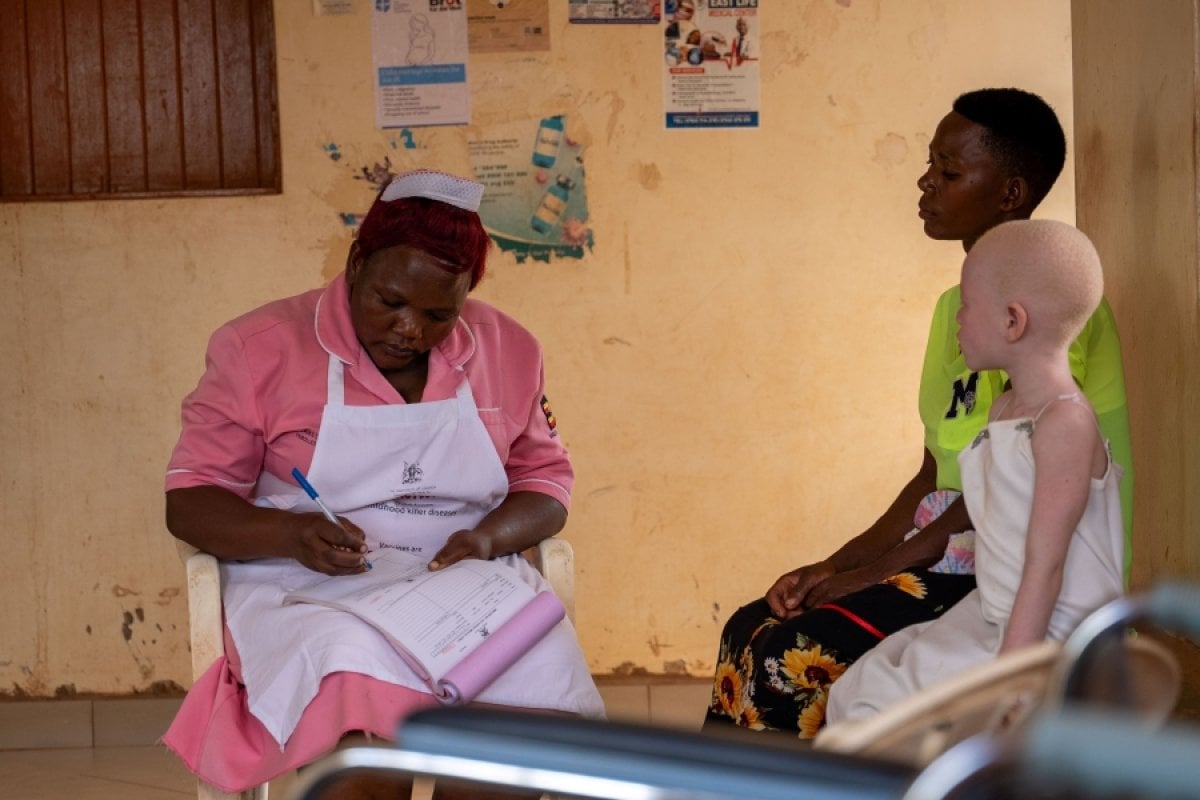
The Missing Billion project has worked to improve access to healthcare and overall health outcomes for people with disabilities in Luuka District, Uganda. It is funded by the NIHR Global Research Professorship 2021-27 Award held by Professor Hannah Kuper.
There are two components to the intervention:
- Participatory Learning and Action for Disability (PLA-D) groups, locally known as "Tusobola".
- Health system strengthening interventions to complement PLA-D groups:
- Training of healthcare workers about disability
- Auditing the accessibility of healthcare facilities and implementing improvements
"Tusobola" is a local Lusoga term which means "We can"
About Participatory Learning and Action for Disability (PLA-D)
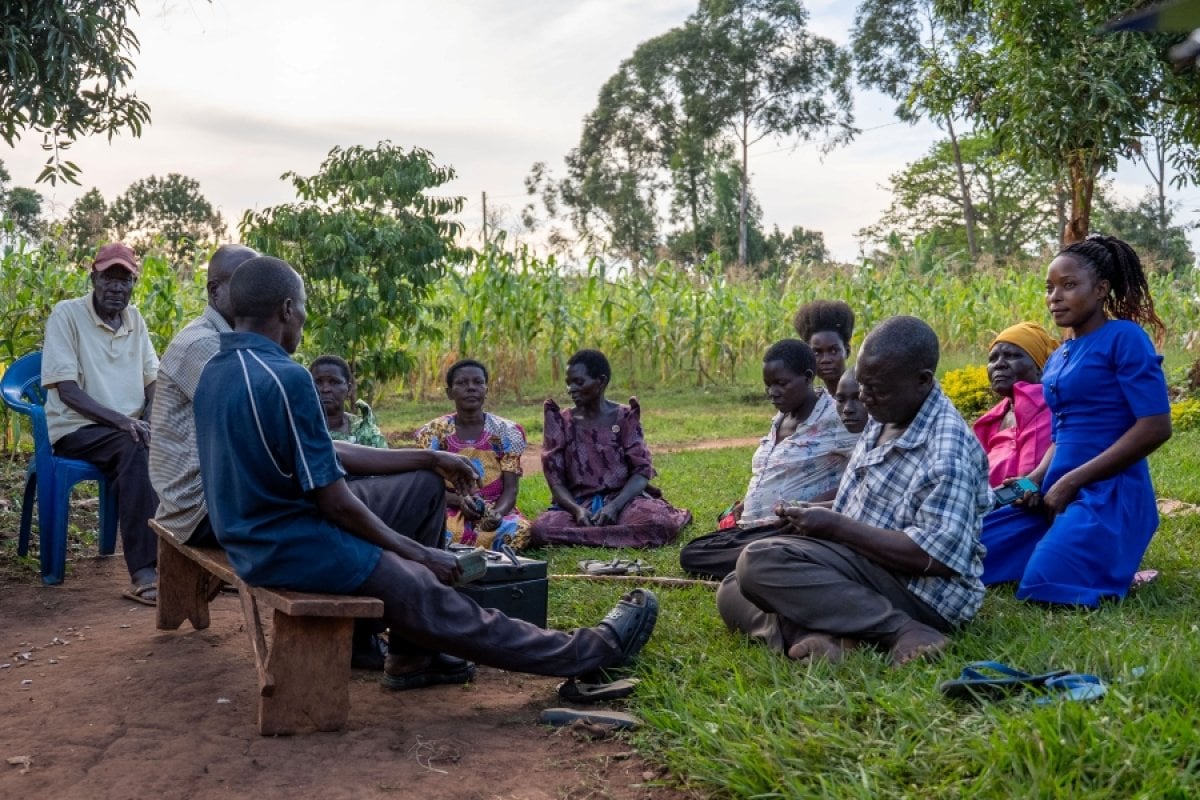
PLA-D brings together community-based groups of people with disabilities and supporters. They meet to collectively identify key problems in relation to health/healthcare access facing people with disabilities, develop and implement solutions to improve healthcare access, and evaluate their progress.
How do PLA-D groups work?
- Identify: Group members collectively identify the key problems they face in accessing healthcare.
- Plan: The group develops an action plan, designing solutions based on their own priorities and knowledge.
- Act: Group members implement their solutions within the community.
- Evaluate and share: Progress is reviewed and shared with the wider community to build broader support for action.
PLA-D Toolkit
We have collated a range of tools to facilitating, adapting and and scaling up the PLA-D methodology (see below). For any queries on access to documents, please contact us at [email protected].
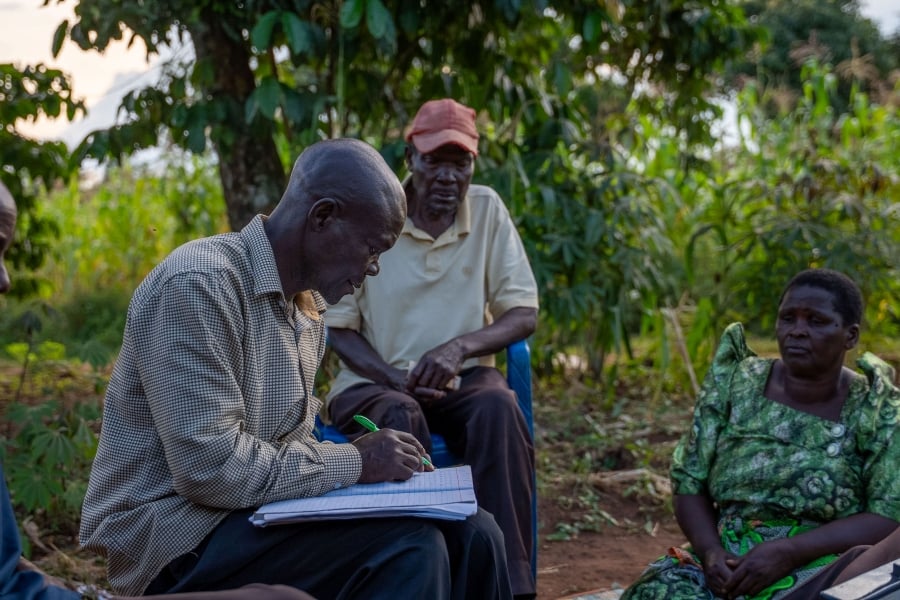
PLA-D tools and resources
- PLA-D Facilitation Manual
- Designing a PLA-D programme - recommendations (guide)
- Picture Cards - Lusoga
- Picture Cards - English
- PLA-D Reporting Forms
- Activity and output monitoring dashboard – available upon request
- PLA-D training presentations – available upon request
About the research
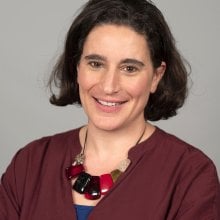
Professor Hannah Kuper is the co-director of the International Centre for Evidence in Disability at the London School of Hygiene & Tropical Medicine and co-founder of the Missing Billion Initiative. She is an epidemiologist by training, and her main focus is on health and healthcare access of people with disabilities in low and middle-income countries. She is an NIHR Global Research Professor.
Hannah was awarded the NIHR Global Research Professorships in 2021. Please read more about the project below.
The Missing Billion: Using participatory approaches to improve access to healthcare for disabled people in Uganda
- Background
There are 1.3 billion disabled people globally. Disabled people, on average, have higher healthcare needs than others. Yet they face barriers in accessing healthcare. As a result, they have worse health outcomes, including 2-3 times higher mortality rates across all ages. Policies and laws supporting the right to healthcare for disabled people are often not put into practice.
Evidence is growing that interventions to improve healthcare led by communities are particularly effective. They are low-cost, scalable and address locally relevant concerns. One example is the Participatory Learning and Action (PLA) approach developed to prevent maternal and newborn deaths. PLA significantly reduces maternal and newborn deaths, usually by at least 20%, and is endorsed by WHO. PLA has been adapted and tested to assess whether it can improve health and healthcare access for people with disabilities.
Participatory Learning and Action for disability PLA-D is a community-led participatory strategy to improve healthcare access. In PLA-D, community groups of people with disabilities and their supporters are established and meet monthly to: 1) identify problems, 2) identify solutions, 3) plan and implement solutions and 4) evaluate their efforts.
- Aim of study
The aim of this study is to assess whether the Participatory Learning and Action for Disability (PLA-D) approach can reduce mortality and improve health of disabled people in Uganda. Uganda is the research setting, given my strong networks and partners and the legal commitments on healthcare provision for disabled people.
- Objectives
- To use an evidenced-based approach to co-create PLA-D. To assess the feasibility of PLA-D implementation.
- To undertake a cluster-based Randomised Controlled Trial (RCT) to assess the effectiveness/cost-effectiveness of PLA-D in reducing mortality.
- To undertake a process evaluation of PLA-D to understand mechanisms for impact and scale-up.
- Design and method
Research was carried out by a consortium of UK and Uganda based partners. We identified the problems facing disabled people in accessing healthcare in Uganda, through:
- In-depth interviews with key informants (e.g. disabled people, health workers)
- Analysis of existing numerical data
- Updating reviews on access to healthcare for disabled people.
We collaborated with disabled people and health professionals to use this information to adapt the PLA approach for disabled people. We decided who should facilitate the groups, where they should meet, and how the PLA delivery and materials need to be adapted. Five PLA-D groups were established, each including about 20 disabled people, and were assessed on whether they were feasible to run and if further adaptations was needed.
We then carried out a trial to assess whether PLA-D was effective. We identified 100 clusters (villages or city blocks) in Luuka district, and randomly assigned them to either the intervention or control group. In the control group, we helped to strengthen the health system, by undertaking an accessibility audit of health facilities and provided training on disability to healthcare workers. In the intervention group we established one PLA-D group per cluster, as well as the health system strengthening activities.
We interviewed all disabled people in the study about health and healthcare access at baseline and followed up (1 year and 2 years), and recorded if any participants had died. The intervention and control groups were compared to assess whether mortality rates were lower and health/healthcare access bettered in the intervention groups than among controls, and what the cost was for the outcomes achieved.
- Community engagement and involvement
Community engagement is at the heart of PLA as well as the Disability Movement with its ethos 'Nothing about us, without us'. Identification of problems and implementation of solutions is led by disabled people themselves. We will include disabled people as advisors at every stage, and as researchers wherever possible.
- Dissemination
Research is most worthwhile if it can be used to improve policy and practice. We have developed tailored strategies to reach our key audiences. We hold community meetings and with organisations of persons with disabilities. We engage with policy and programme implementers, both in Uganda and internationally, by producing short documents of key findings and holding meetings. We reach academics through publishing articles in journals and present at key meetings and conferences.
- Partners
- Publications
Menya A. “But they are hard work”: a qualitative study of the perceptions of healthcare workers in providing care to persons with disabilities in Uganda. BMC Health Services Research 2026, June 10
Marks S, et al. Community-based participatory learning and action groups to improve healthcare access for people with disabilities in Luuka district, Uganda: Study protocol for a cluster-randomized controlled trial with economic and process evaluations. NIHR Open Research, 2026.
Smythe T, et al. Feasibility of implementing a community-based participatory group programme to improve access to healthcare for people with disabilities in Luuka district, Uganda: a mixed-methods pilot study. BMJ Public Health 2026; 4: e005301.
Ssemata A, et al. Engaging community groups to enhance healthcare access for persons with disabilities in rural Uganda: a qualitative exploration. PLOS Glob Public Health 2025; 5: e0003140
Smythe T, et al. Disability training for healthcare workers in Uganda: qualitative findings from the pilot test. BMC Medical Education. 2025; 25: 763.
Smythe T, et al. Co-development of a training programme on disability for healthcare workers in Uganda. BMC Health Services Research, 2024; 24: 418.
Mactaggart I, et al. Adapting and pilot-testing a tool to assess the accessibility of primary health facilities for people with disabilities in Luuka district, Uganda. International Journal of Equity and Health. 2024; 13: 237.
Ssemata A, et al. Suggested solutions to barriers in accessing healthcare by persons with disability in Uganda: a qualitative study. BMC Health Services Research 2024; 24: 1010
Ssemata A, et al. Exploring the barriers to healthcare access among persons with disabilities: a qualitative study in rural Luuka district, Uganda. BMJ Open 2024;14:e086194.
Community voices
Tusobola: We Can
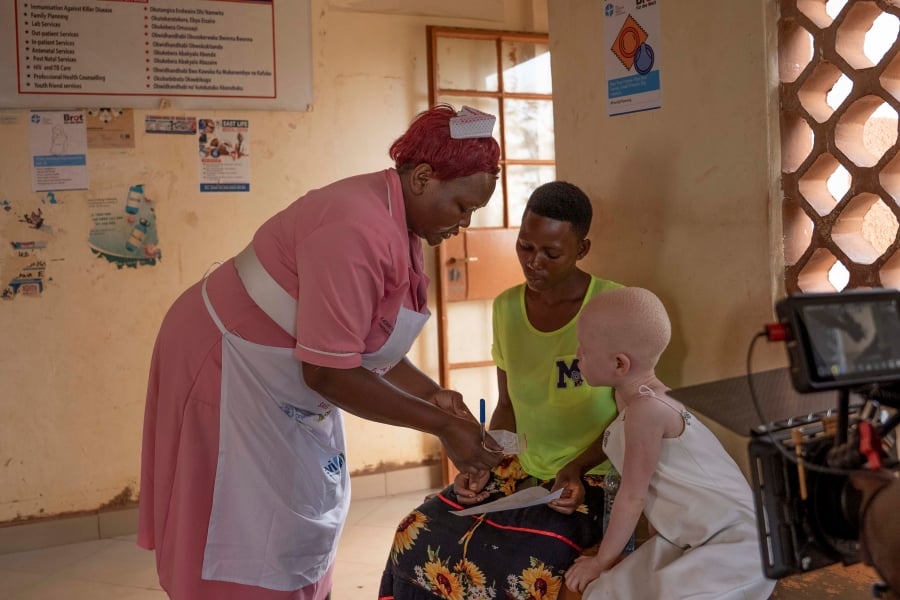
This short film by on the PLA-D project by Amref Health Africa in Uganda and the PENDA programme at ICED follows the community in Luuka district, as they come together to address the barriers faced by people with disabilities in accessing healthcare.
NIHR Community Engagement and Involvement Podcast
The fourth episode of the NIHR community engagement and involvement podcast series 'Leaving no one behind' featured Dr Andrew Sentoogo Ssemata, Research Fellow at MRC/UVRI & LSHTM Uganda Research Unit.