
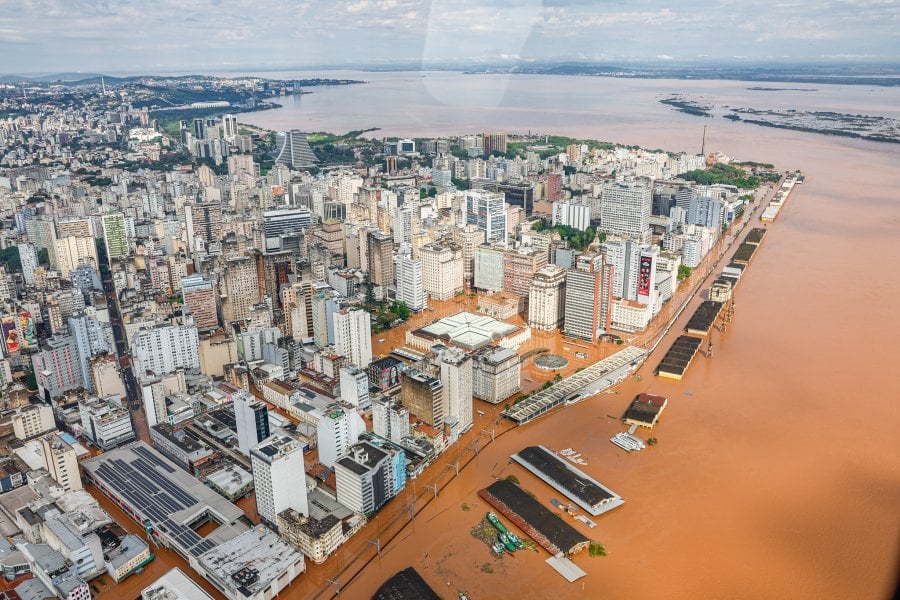
Across Latin America, crises are rarely singular. Instead, violence, climate shocks, environmental degradation and disrupted public systems can intersect in ways that reshape health and wellbeing. In this blog, we speak to three LSHTM researchers examining how these overlapping risks affect communities across the region, from under-documented violent deaths in Mexico, to climate-driven water insecurity in Brazil, Guatemala and Honduras, and disease outbreaks caused by changing weather patterns in Colombia.
Mexico – violence and the hidden toll on women
Maria Gargiulo is a second year PhD student at LSHTM, researching homicide mortality and data quality issues in Colombia, Guatemala and Mexico.
Her dissertation research examines how underreporting obscures the true scale of the impact of violence on population health. One recent project examines underreporting of homicides of pregnant and postpartum women in Mexico.
“Mexico’s so-called 'war on drugs' is not recognised as a traditional humanitarian crisis, yet the health impacts of chronic violence are devastating,” says Maria Gargiulo. “It can be difficult to disentangle everyday violence from conflict-related violence, particularly when it comes to violence against women. Constant exposure and the normalisation of violence have been linked to negative maternal health outcomes, increased intimate partner violence and obstetric violence.”
“Our research found that homicides of pregnant and postpartum women are not included in national maternal mortality statistics despite, in some cases, exceeding other direct causes of maternal death. Without counting these deaths, we underestimate the true burden of maternal mortality. We need global indicators that capture homicides during pregnancy and the postpartum period.”
Brazil, Guatemala and Honduras – climate stress, water insecurity and mental health
Indira Bose is a Research Fellow at LSHTM, focusing on understanding the inter-relationships between climate change, water and food security, and health.
Her current work links climate hazards, such as storms, droughts, floods or abnormal rainfall, to survey data on experiences of water insecurity in 29 low and middle-income countries, including Brazil, Guatemala and Honduras.
“Globally climate change is increasing the frequency and intensity of climate hazards”, says Indira Bose. “In recent years, large flood events in Brazil and tropical storms or hurricanes in Honduras and Guatemala have resulted in widespread damage, displacement and deaths. These events can have major implications for the ability of people to obtain water that is reliable, safe, affordable and sufficient for their basic domestic needs.
“Our research found that exposure to floods, droughts and storms were associated with higher individual water insecurity. This in turn may have major implications for people’s physical and mental health. Water insecurity is also closely linked to food insecurity, as water is required for food production, preparation and hygiene. Therefore, the effect of these events may have far reaching consequences for health, beyond the initial impacts of these disasters. Experiencing both food and water insecurity has also been linked to increased risk of mental health disorders in the aftermath of these events. Given the anticipated increase in climate hazards in the future, building the resilience of water and food systems is essential to protect health and well-being of communities.”
Colombia – extreme weather and the rising risk of dengue
Robert Jones is an Assistant Professor at LSHTM interested in novel approaches to controlling insects associated with human diseases.
His research has explored how climate change and climate-related adverse weather events in Colombia are influencing outbreaks of dengue, a viral disease transmitted by Aedes mosquitoes. With limited vaccine availability and an increased risk of severe illness with repeated infections, controlling mosquito populations remains critical. However, his work highlights that while awareness of dengue is relatively high, communities are often less informed about the most effective ways to prevent transmission.
“Climate suitability for dengue transmission has increased substantially in Colombia, with an estimated two additional months of transmission each year driven by rising temperatures and changes in rainfall”, says Robert Jones. “As a result, outbreaks are becoming more frequent and more intense.”
“I am working with local researchers and communities to better understand mosquito control practices and to co-develop interventions that are sustainable and socially grounded. Our work has highlighted the need for strengthened education and engagement initiatives that support communities to take an active role in disease prevention. We also aim to develop acceptable repellent products to reduce daytime mosquito biting. Together, these approaches seek to empower residents to better protect themselves and vulnerable individuals within their communities.”
By revealing how violence, climate change and extreme weather shape health across the region, LSHTM researchers are working across disciplines to ensure that overlooked crises in Latin America are recognised and can be addressed with evidence-backed approaches. More research is needed to strengthen the evidence base – but also to translate it into action, supporting more resilient systems and communities in the face of growing and interconnected risks.
If you enjoyed this article and would like to build a career in global health, we offer a range of MSc programmes covering health and data, infectious and tropical diseases, population health, and public health and policy.
Available on campus or online, including flexible study that works around your work and home life, be part of a global community at the UK's no.1 public health university.