
Diagnosing and treating a life-threatening infection in a newborn is challenging enough. But in hospitals in Malawi, Zambia and other countries across the region, healthcare workers often face an additional obstacle: medical equipment and drugs that were never designed for their smallest patients.
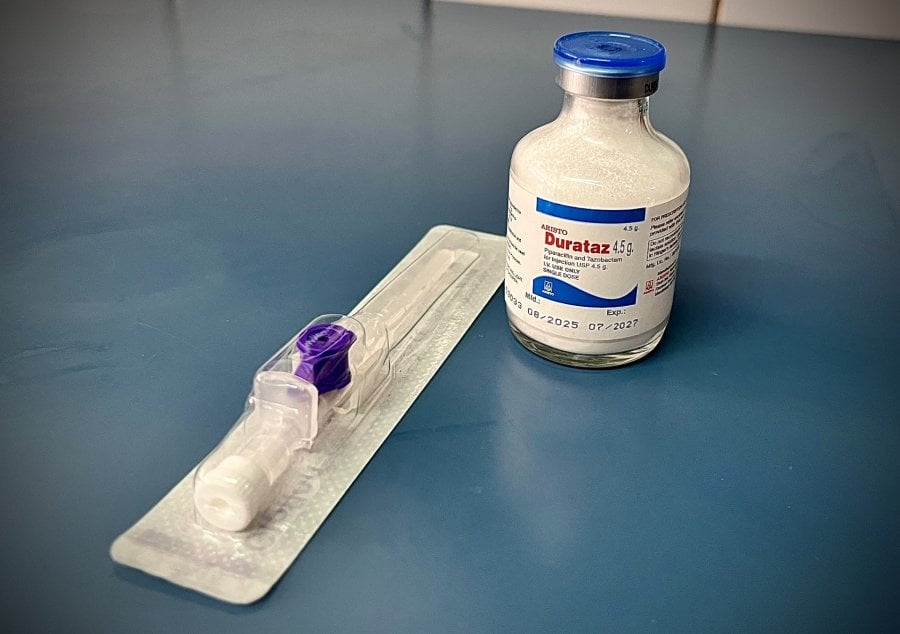
Collecting blood from a newborn weighing two kilograms or less requires considerable skill and improvisation. As this video demonstrates, healthcare workers must carefully handle cannulas, syringes and other equipment to collect a blood sample. Even administering antibiotics presents challenges, with adult-sized vials sometimes shared between newborns because appropriately sized alternatives are unavailable.
These challenges can affect the accuracy of infection diagnosis, increase the risk of sample contamination and make it harder to guide antibiotic treatment, with implications for AMR.
As clinicians working in neonatal units, we are aware of how healthcare workers must adapt equipment and medicines to meet the needs of newborns. Yet in some settings, these adaptations can carry risks for babies who are already extremely vulnerable.
Why this matters
Neonatal infections, including sepsis, are among the three leading causes of newborn deaths. Globally, 2.3 million newborns died in 2024, with sub-Saharan Africa carrying the heaviest burden, at approximately 27 deaths per 1,000 live births.
Hospital care can also expose newborns to infection. Healthcare-associated infection rates in neonatal units in low- and middle-income countries have been estimated to be nearly nine times those in high-income settings. Resistant bacteria, including strains of Klebsiella pneumoniae, make these infections harder to treat.
Accurate diagnosis is essential for identifying the bacteria causing an infection and determining which antibiotics are likely to work. Yet in many hospitals, treatment begins without reliable information about which bacteria are circulating or which antibiotics remain effective.
The Mapping Antimicrobial Resistance and Antimicrobial Use Partnership (MAAP), which included Malawi and Zambia among 14 other sub-Saharan African countries, found that only around 1% of medical laboratories were designated to provide bacteriology testing.
Starting antibiotics before laboratory results are available is often necessary when treating a potentially life-threatening infection. The problem comes when no reliable results ever follow, leaving no local evidence to guide treatment for the next baby or to detect an outbreak.
Insights from NeoShield
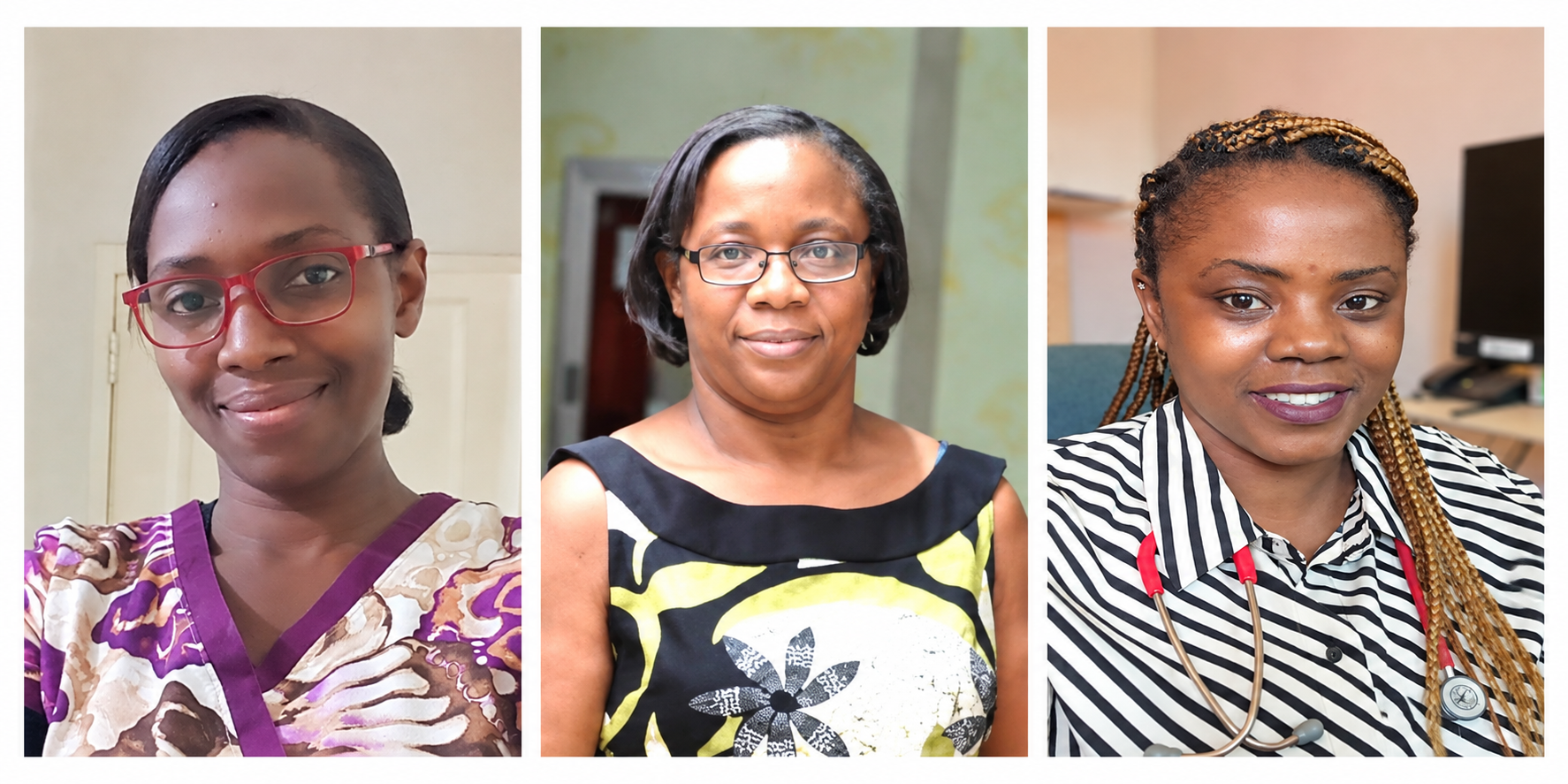
NeoShieldis an implementation research programme collaborating with three neonatal units: University Teaching Hospital in Lusaka and Arthur Davison Children's Hospital in Ndola, Zambia, and Zomba Central Hospital in Malawi.
Led by the London School of Hygiene & Tropical Medicine (LSHTM), with Dr James Cross and Professor Eric Ohuma as co-Principal Investigators, the programme works in partnership with the Malawi Liverpool Wellcome Programme and the Zambia National Public Health Institute. It is funded by Wellcome and the Gates Foundation.
NeoShield focuses predominantly on strengthening microbiology laboratories and routine clinical data systems to support sepsis diagnosis and outbreak detection, helping newborn care to be guided by reliable local evidence.
Early preparations for this work have highlighted a challenge that we, as clinical investigators across the three hospitals, have long recognised: the equipment and supplies available to us rarely meet the specific needs of newborns.
This is particularly evident in three everyday tasks.
1. Drawing the Blood
Blood cultures are used to identify bacteria responsible for an infection. In adults, blood collection usually involves a closed system, where blood flows directly from a vein through tubing into a collection bottle.
For newborns, the process is often more complicated.
Their veins are tiny and fragile, making blood collection difficult. Healthcare workers must often assemble several separate pieces of equipment, carefully holding a cannula in place while drawing blood from its hub using a needle and syringe, sometimes with a colleague's assistance.
Even a slight movement can interrupt blood flow. The procedure also creates risks of needlestick injuries, while transferring the sample into a collection bottle introduces another opportunity for contamination.
NeoShield's planned training and mentorship will help address these challenges, but training alone cannot overcome the limitations of equipment that was not designed for newborns.
Decades after blood cultures have become routine practise, neonatal teams are still being asked to compensate for poor product design through clinical skill and improvisation.
2. Filling the Bottle
Adult blood culture bottles are designed for eight to ten millilitres of blood, whereas a newborn's sample may contain only one or two millilitres.
Paediatric blood culture bottles are available, but they are often more expensive and difficult to access. Some laboratories therefore prepare their own bottles, which can increase the risk of contamination.
Where suitable bottles are unavailable, clinicians may have little choice but to underfill adult bottles or avoid taking a blood culture altogether. This can have consequences for diagnosis and treatment.
When too little blood is collected, the likelihood of detecting the bacteria responsible for an infection decreases. A negative result may therefore provide limited reassurance, leaving clinicians without reliable evidence to stop or narrow antibiotic treatment.
As a result, antibiotics may be continued or escalated. In some neonatal units, meropenem has become the default second-line treatment, adding pressure that can favour the emergence of antibiotic resistance, including in babies who may not have had a bacterial infection in the first place.
What begins as a shortage of appropriately sized blood culture bottles can therefore become a barrier to accurate diagnosis, targeted treatment and responsible antibiotic use.
3. Sharing the Vial
Treating newborn infections presents another challenge: the size of antibiotic vials.
Newborns require much smaller antibiotic doses than adults. For a baby weighing just one kilogram, the required dose may be only a small fraction of the medicine contained in an adult-sized vial.
However, antibiotics are commonly supplied in adult-sized, single-dose vials containing little or no preservative.
In many neonatal units, healthcare workers may have little choice but to prepare a vial, administer the required dose and retain the remaining medicine for other newborns, sometimes over several days. Although this practice arises from necessity, it carries risks.
Each time a vial is punctured, there is an opportunity for contamination, with no guarantee that the medicine remains sterile or effective. The consequences can be serious.
In a neonatal unit in The Gambia, genome sequencing traced successive outbreaks involving Burkholderia cepacia and multidrug-resistant Klebsiella to contaminated antibiotics and intravenous fluids already in use.
In these circumstances, medicines intended to treat infections became a means through which resistant bacteria could spread between newborns. Making antibiotics available in smaller, single-use vials containing doses appropriate for newborns could help reduce these risks and improve treatment safety.
Making the right thing easy to do
Across all three challenges, the underlying problem is the same: healthcare workers are being asked to adapt equipment and medication designed for adult patients to meet the needs of newborns.
Through NeoShield, we are supporting efforts to address these challenges at three levels.
First, the programme is helping to align blood collection procedures and antibiotic preparation and storage practices across the participating neonatal units, aiming to make diagnosis and care safer and more consistent within the limitations of available resources.
Second, the units are securing paediatric blood culture bottles and the most suitable collection devices currently available.
Third, equipment manufacturers are now attending annual programme meetings as partners rather than simply suppliers. This provides an opportunity for clinicians and laboratory teams to explain directly where existing products fall short and what improvements are needed.
Very little of this requires new science. Paediatric bottles already exist, a closed neonatal collection system is an engineering problem, and a smaller vial is simply less drug in a smaller container.
What is needed is greater recognition of these gaps and clearer demand for equipment and supplies that meets the needs of newborns.
Too often, newborns are overlooked when medical supplies are specified, clinical guidelines are developed and healthcare budgets are allocated. Addressing this requires action from manufacturers, healthcare providers and those responsible for procurement decisions.
Through NeoShield, we are helping to bring these challenges to the attention of those who can make a difference, so that clinicians have access to supplies better suited to the newborns in their care.
Newborns are not small adults. It is time the tools used to care for them were designed with that in mind.
Find out more about the NeoShield programme.
If you enjoyed this article and would like to build a career in global health, we offer a range of MSc programmes covering health and data, infectious and tropical diseases, population health, and public health and policy.
Available on campus or online, including flexible study that works around your work and home life, be part of a global community at the UK's no.1 public health university.