
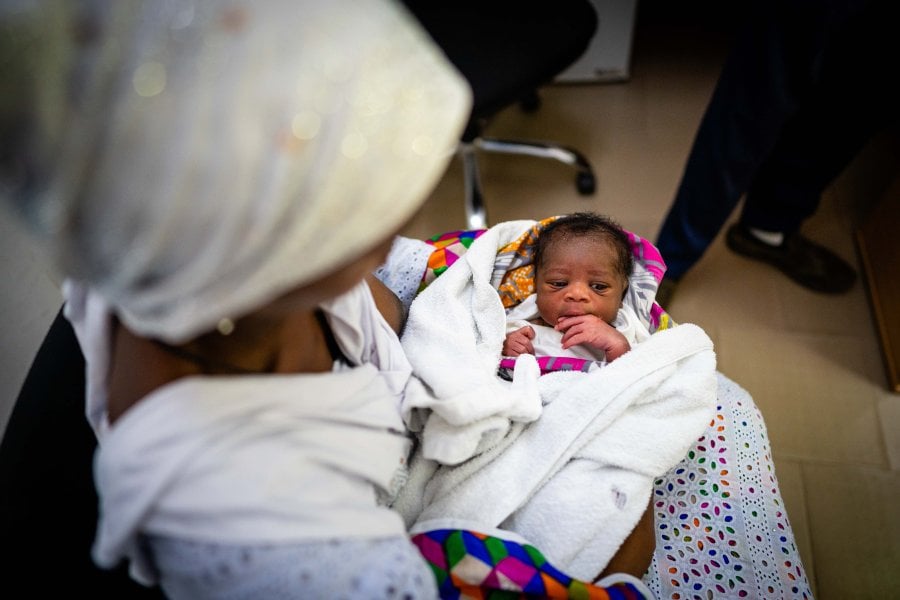
Published in The Lancet Regional Health - Africa, the study, “Short-term ambient temperature exposure and stillbirth in The Gambia: a time-stratified case-crossover analysis of facility-based births,” analysed 93,565 births recorded across ten public secondary and tertiary healthcare facilities between 2013 and 2018.
Among the eligible births, researchers identified 4,816 stillbirths: 2,595 (53.9%) were recorded as fresh stillbirths and 2,221 (46.1%) as macerated stillbirths. These routine-data classifications were used as proxies for likely intrapartum and antepartum fetal deaths, respectively.
The study found that higher temperatures on the day of delivery and the preceding day were associated with higher odds of fresh stillbirth. The estimated odds ratio at high temperatures compared with median temperatures was 1.22 (95% CI 0.99 – 1.50), while the pooled estimate across individual facilities was 1.17 (95% CI 1.02 – 1.35).
The association appeared stronger at inland facilities, where the estimated odds ratio was 1.54 (95% CI 1.06 – 2.25), compared with 1.11 (95% CI 0.86 – 1.43) at coastal facilities. However, the inland estimate was based on only three facilities and should be interpreted cautiously. For macerated stillbirths, exposure to higher temperatures two to four days before delivery showed a more modest and uncertain association. No clear association was observed when all stillbirths were considered together.
The findings are particularly relevant as temperatures continue to rise across West Africa and the Sahel. Stillbirth remains a major public health challenge in sub-Saharan Africa, with many deaths occurring during labour, yet evidence on the relationship between environmental heat and stillbirth in the region remains limited.
Most previous research on heat and stillbirth has been conducted in high-income settings and has focused largely on deaths occurring before labour. This study adds evidence from a high-burden sub-Saharan African setting and highlights the period immediately before and during delivery as an important window for further research.
Dr Uduak Okomo, Clinical Assistant Professor at MRCG at LSHTM said: “In hot, climate-vulnerable settings such as The Gambia, women may be giving birth in facilities where keeping maternity wards cool is challenging, particularly during the hottest periods of the year. As extreme heat becomes more frequent and intense, we need to think carefully about how maternity services can remain safe, resilient and able to provide high-quality care for women and newborns.”
The researchers emphasised that the findings do not establish that heat causes stillbirth. Further research is needed to understand how high temperatures may affect women in labour, health workers, and the delivery of intrapartum care, and to identify practical, cost-effective ways to reduce heat exposure in health facilities.
Dr Ana Bonell, Assistant Professor at MRC Unit The Gambia at LSHTM and co-author of the study, said: "Climate change remains the greatest threat to human health and without concerted action to reduce greenhouse gas emissions, the health impacts will only worsen. This study highlights yet more evidence of how extreme heat harms pregnant women and their babies. With temperatures rising year-on-year, there is an urgent need for both adaptation and mitigation."
In high-temperature settings, maternal and newborn health programmes may also consider whether essential measures, including access to safe drinking water, adequate ventilation, reliable electricity, and continuity of referral and transport services remain functional during periods of extreme heat. The study also reinforces the importance of strengthening routine maternity data, including more consistent documentation of fetal heart rate at admission and during labour.
Dr Cherie Part, Research Fellow at LSHTM and co - author of the study said: “Stillbirth is devastating for families and remains far too common in sub-Saharan Africa. Our study raises concern that high temperatures close to delivery may increase the risk of fresh stillbirth. These findings add to the growing body of evidence that heat can harm pregnancy. Yet we know far less about how best to reduce heat-related risks for women and babies. We urgently need to close that gap with practical, affordable solutions that work in the hottest climates and in health systems already under pressure."
As temperatures rise, understanding how extreme heat affects pregnancy, childbirth, and health-system resilience will be increasingly important for protecting mothers, babies, and the health workers caring for them.
The study was supported by LSHTM-Wellcome Trust, UNICEF The Gambia and Natural Environment Research Council (NERC), Belmont Forum
Publication:
Uduak Okomo and Cherie Part et al. Short-term ambient temperature exposure and stillbirth in The Gambia: a time-stratified case-crossover analysis of facility-based births
If you enjoyed this article and would like to build a career in global health, we offer a range of MSc programmes covering health and data, infectious and tropical diseases, population health, and public health and policy.
Available on campus or online, including flexible study that works around your work and home life, be part of a global community at the UK's no.1 public health university.