About the project
Estimating mortality associated with a humanitarian crisis is critical for assessing needs objectively and key for evaluating humanitarian responses. Mortality estimation is difficult to do, however. Mortality measurement is rarely accurate or comprehensive because of difficulties accessing populations and mortality data is often contested for both methodological and political reasons. Coordination of stakeholders that could produce and use mortality evidence for public health decision-making to respond to crises is also fragmented.
The London School of Hygiene & Tropical Medicine (LSHTM), have been part of a ‘systems innovation partnership’ funded by Elrha through the UK Humanitarian Innovation Hub which responds to previous calls by us and others to accelerate action on system-wide strengthening of mortality evidence generation and uptake in humanitarian settings.
Phase 1
In Phase 1 (12 months over 2024-2025), LSHTM collaborated with SIMAD University and Evidence for Change (e4c), both in Somalia, to pursue the following objectives:
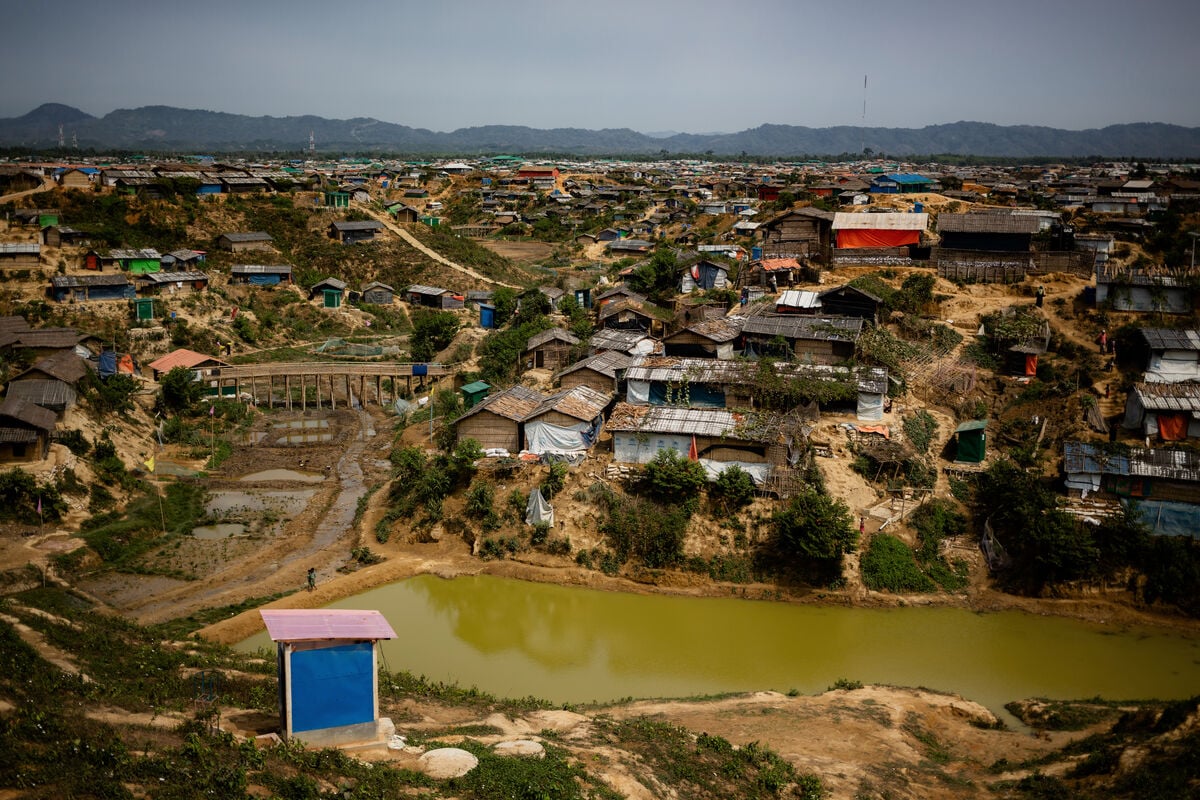
- Document experiences of mortality data collection, analysis, use by decision-makers and impact in crisis context case studies (Somalia, Central African Republic and Cox’s Bazar, Bangladesh).
- Trace global-level processes that have influenced mortality estimation work across crisis context case studies and at a systems level.
- Develop and pilot a cross-agency mortality data observatory in Somalia.
- Work with others in the mortality estimation community of practice to propose an acceptable and feasible governance mechanism for systematic mortality evidence generation and uptake in future crises.
Phase 2
In Phase 2 (six months over 2025-2026), our consortium shifted focus to examine what influences national actors’ ability to lead, sustain and use mortality evidence in crisis settings. Our partners expanded to also include IMPACT Initiatives (working across many crisis settings), Addis Ababa University and Mekelle University in Ethiopia, and World Needs and Help in the Democratic Republic of Congo (DRC). Our objectives were to:
- Implement case examples of national actors in Somalia, Ethiopia and DRC collecting and utilizing mortality data for humanitarian decision making, with technical and coordination support from a consortium helpdesk.
- Document the technical, operational, coordination, and support opportunities and challenges that arise in the case examples to inform recommendations for the development and contextualization of a sector-wide strategic framework.
- Maximise the use of the Somalia Mortality estimation Database (S-MED) repository for mortality data within the government and humanitarian sector, documenting lessons to inform how similar data repositories could be established in other contexts
This project is now closed but our outputs will continue to be added to this page as they are published.
People
LSHTM was the lead, grant-holding institution in Phase 1 with oversight shared by Principal Investigators, Francesco Checchi and Jennifer Palmer. The SIMAD team is led by Co-Investigator Najib Dirie. The e4c team consists of senior consultants, who have long track records of running community-based mortality surveillances in humanitarian settings.
Our consortium in Phase 2 was led by IMPACT Initiatives.
Blog series
- Who's counting?: Tigray's hidden mortality data crisis
- Saving 87 Million Lives Starts With Counting Lives Lost
- Strengthening the System: A New Phase for Mortality Evidence in Crises
- The Metric of Life and Death: How local and technical experts are strengthening mortality measurement in Eastern DRC
- What might it take to increase leadership of local actors in humanitarian mortality estimation?
- Counting Every Life: Why Mortality Evidence Can't Be Optional in Humanitarian Crises
Publications
Contact emails
Partners
Funders