
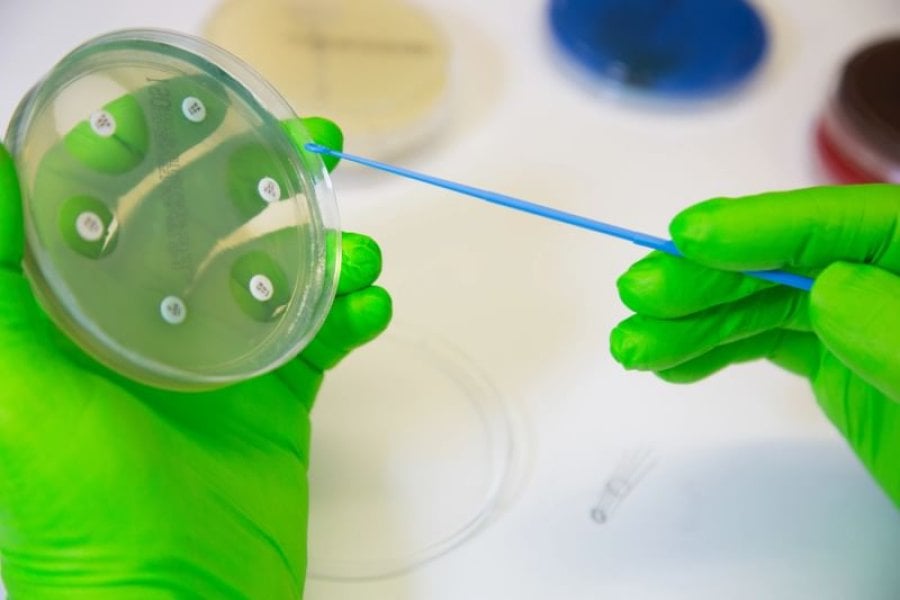
Antibiotics transformed modern medicine, turning once life-threatening infections into treatable conditions and making procedures such as surgery and organ transplantation safer. But one of medicine's greatest achievements is increasingly under threat from antimicrobial resistance (AMR).
The concept of a magic bullet was introduced by scientist Paul Ehrlich, who envisioned medicines capable of targeting disease-causing organisms without harming the patient. His pioneering work helped lay the foundations for modern antimicrobial treatments. However, microorganisms have evolved ways to survive the medicines designed to kill them. Some bacteria produce enzymes that break down antibiotics, while others develop mechanisms that prevent the drugs from working effectively. This ability to resist treatment is at the heart of AMR, one of today's most pressing global health challenges.
How did we get here?
The threat of antibiotic resistance is not new. In 1945, Alexander Fleming, who discovered penicillin, warned that inappropriate antibiotic use could encourage bacteria to develop resistance.
More than 80 years later, his warning remains relevant. The misuse and overuse of antimicrobials have accelerated the emergence and spread of resistance. This includes taking antibiotics unnecessarily, using them to treat viral infections and inappropriate prescribing. The challenge extends beyond human healthcare. Antibiotic use in animals, alongside environmental factors, can contribute to the development and spread of resistance.
Inadequate investment in research, surveillance, infection prevention and the development of new antibiotics has further complicated efforts to address the problem. The consequences are significant. Globally, bacterial AMR is projected to cause more than 39 million deaths directly between 2025 and 2050 if current trends continue. Beyond the loss of life, resistance threatens to make common infections harder to treat, increase healthcare costs and undermine essential medical procedures.
A shared responsibility to protect antibiotics
Addressing AMR requires coordinated action across human, animal and environmental health. Governments must strengthen surveillance and regulation, healthcare professionals must promote responsible prescribing, and researchers and pharmaceutical companies must continue developing new treatments and approaches to preventing infections.
Individuals also have a role to play by using antibiotics responsibly and following appropriate medical advice. This year's World AMR Awareness Week theme, One Health, One Action: Prevent AMR Now, reinforces the importance of collective responsibility. AMR cannot be tackled by the health sector alone. The discovery of antibiotics changed the course of medicine. Protecting their effectiveness for future generations will require the same commitment to innovation, collaboration and action.
The question is not whether antimicrobial resistance threatens our future, but whether we are prepared to act together to protect it.
If you enjoyed this article and would like to build a career in global health, we offer a range of MSc programmes covering health and data, infectious and tropical diseases, population health, and public health and policy.
Available on campus or online, including flexible study that works around your work and home life, be part of a global community at the UK's no.1 public health university.