
Published in Nature Microbiology, the findings suggest that genetic changes linked to resistance to current and former malaria medicines are becoming more common, particularly in areas where two different malaria parasite species co-circulate.
Ethiopia has made significant progress in reducing malaria over the past two decades, but recent increases in cases threaten these gains. As countries work towards eliminating malaria, understanding how parasites evolve resistance to treatment is becoming increasingly important.
Researchers from the London School of Hygiene & Tropical Medicine (LSHTM) and partners analysed 605 Plasmodium falciparum malaria parasite samples collected from 15 districts across Ethiopia between 2019 and 2023. They searched for genetic markers linked to resistance to several antimalarial medicines, including artemisinin-based combination therapies (ACTs), the recommended first-line treatment for P. falciparum malaria across most of Africa.
The team found widespread evidence that malaria parasites are carrying genetic changes associated with resistance to multiple antimalarial drugs. While ACTs remain effective in Ethiopia, the researchers identified increasing numbers of parasites with genetic variants linked to partial resistance to artemisinin – the most important component of current malaria treatments. These findings highlight the importance of detecting emerging resistance early, before it begins to affect patient outcomes.
One of the study's most important findings was the link between the two main malaria parasite species found in Ethiopia. Although chloroquine is no longer used to treat P. falciparum malaria because of widespread resistance, it remains the recommended treatment for Plasmodium vivax. The researchers found evidence that continued use of chloroquine against P. vivax may also be helping maintain drug-resistant P. falciparum parasites in areas where both species circulate.
The researchers also discovered that some genetic markers linked to resistance to different antimalarial drugs frequently co-occurred in the same parasites. Understanding how these resistance markers spread and interact could help researchers predict where resistance is most likely to emerge and inform future treatment strategies.
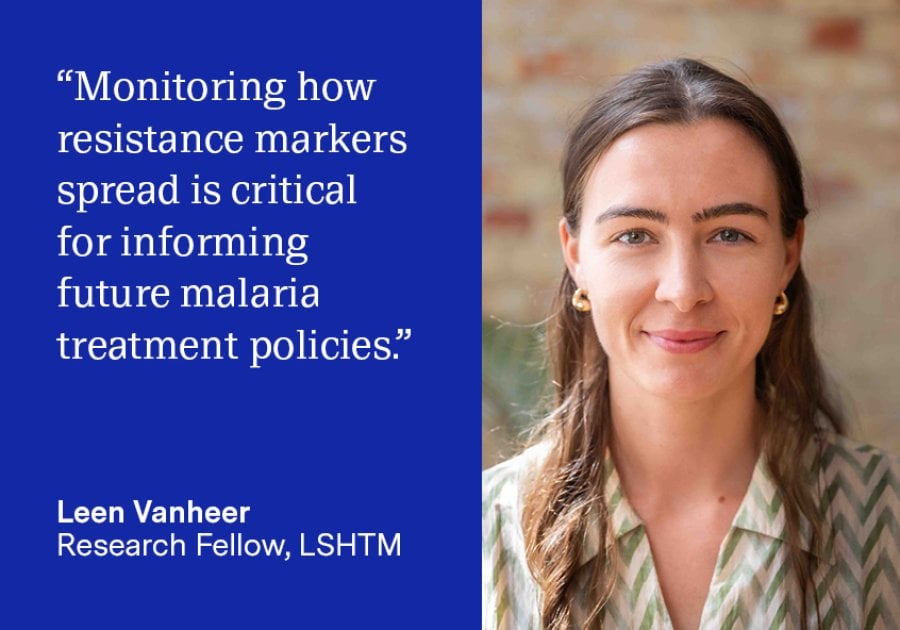
Dr. Leen Vanheer, Research Fellow at LSHTM and co-first author of the study, said: "In settings where Plasmodium vivax and Plasmodium falciparum co-circulate, as they do in Ethiopia, a drug used to treat one malaria species can also influence the evolution of resistance in the other. Monitoring how resistance markers spread and occur together is therefore critical, as it can help inform antimalarial treatment policies and support efforts to preserve the effectiveness of existing medicines."
The study also revealed that resistance markers were not evenly distributed across Ethiopia. Some were more common in areas with lower malaria transmission and where P. vivax infections were more prevalent, demonstrating how local malaria ecology and treatment practices can shape the evolution of drug resistance.
The authors say their findings highlight the importance of strengthening genomic surveillance across Ethiopia and other malaria-endemic countries. Tracking how resistance develops over time will help health authorities make evidence-based decisions about treatment policies, identify emerging threats earlier and help preserve the effectiveness of existing antimalarial medicines.
Publication
Letebo A, Vanheer LN, et al. Genomic surveillance reveals co-occurrence of Plasmodium falciparum drug resistance variants across diverse transmission settings in Ethiopia. Nature Microbiology. 2026. DOI: https://doi.org/10.1038/s41564-026-02420-5
If you enjoyed this article and would like to build a career in global health, we offer a range of MSc programmes covering health and data, infectious and tropical diseases, population health, and public health and policy.
Available on campus or online, including flexible study that works around your work and home life, be part of a global community at the UK's no.1 public health university.