Our research addresses many diseases (malaria, dengue, chikungunya, zika, Japanese encephalitis, lymphatic filariasis, Chagas, leishmaniasis, onchocerciasis, diarrhoea, lyme disease, west nile disease, scrub typhus, trachoma, sleeping sickness, borreliosis and blue tongue) and pests (bed bugs, head lice and house dust mites).
Members of PHEG make a significant contribution to Master’s degrees, Research degrees, short courses and distance learning programmes at the School. Beyond LSHTM, our members also lecture and supervise research projects for MSc students at universities in sub-Saharan Africa.
The Public Health Entomology Group (PHEG) was established at LSHTM in 2010 as a network for researchers conducting complementary laboratory and field research with the aim of improving vector-borne disease surveillance and/or controlling arthropods of public health importance worldwide.
Why is public health entomology important?
Vector-borne diseases account for more than 17% of all infectious disease, causing more than 700,000 deaths annually. Notable examples include: malaria, dengue, Zika, yellow fever, leishmaniasis, Chagas, onchocerciasis and sleeping sickness. Many of these illnesses lack effective vaccines or treatments, making vector control the most effective way of reducing cases and deaths. By studying the biology and behaviour of disease vectors, public health entomologists help design effective targeted interventions that reduce the burden of vector-borne disease, ultimately saving lives. Some of the most significant public health achievements of recent decades owe their success to vector control strategies underpinned by rigorous entomological research:
- The widespread deployment of insecticide-treated mosquito nets has been responsible for the majority of the 2.2 billion malaria cases averted since 2000
- Indoor residual spraying of houses with insecticide helped reduce Chagas incidence by 94% in 7 South American countries as part of the Southern Cone Initiative
- The large-scale use of tsetse fly traps has helped reduce incidence of sleeping sickness by 98% since the 1990s
- Aerial larviciding of blackfly breeding sites in West Africa has led to significant reductions in onchocerciasis transmission—a major cause of infectious blindness
Where do we work?
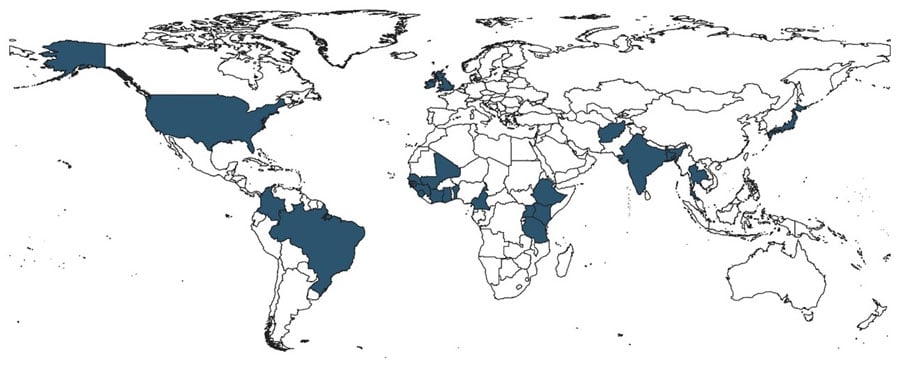
PHEG members have conducted research in 25 countries across 5 continents over the past 5 years, demonstrating a global reach in improving control and surveillance of vector-borne disease.
While our research encompasses a wide range of regions and diseases, we have been particularly active in the following areas:
- Malaria control in sub-Saharan Africa
- Leishmaniasis surveillance and control in southern Asia
- Aedes-borne virus surveillance and prevention in Asia and South America
- Trachoma control in East Africa
- Epidemiological studies on scrub typhus burden in India
Collaborating partners
- Oxford University
- Cardiff University
- Queen Mary’s University Belfast
- University of Glasgow
- University of Copenhagen
- University of Antwerp
- Imperial College London
- University of Nevada, Las Vegas
- The Cooperative University of Colombia
- Federal University of Bahia
- Indian Council of Medical Research
- Nagasaki University
- Mahidol University
- International Centre for Diarrhoeal Disease Research, Bangladesh
- Centre de Recherche Entomologique de Cotonou
- Kiliminjaro, Christian Medical University College
- Ifakara Health Institute
- International Centre of Insect Physiology and Ecology
- KEMRI
- Institut Pierre Richet
- Centre for Research in Infectious Diseases
- National Institute for Medical Research
- Jimma University
- University of Ghana
- University of Sierra Leone
Funders
PHEG members in LSHTM and external affiliates from collaborating institutions currently comprise a multidisciplinary network of 157 researchers and professionals. Within the Department of Disease Control at LSHTM, there are currently 28 PHEG members including:
- 17 academic staff covering all grades from research assistant to professor
- 7 professional support staff including teachers, insectary managers and project administrators
- 7 PhD students including 4 full-time and 3 part-time
| Name | Role |
|---|---|
| Aidan Desjardins | PhD student |
| Cheryl Whitehorn | Principal Scientific Officer |
| Corine Ngufor | Associate Professor |
| James Logan | Professor |
| Jeremy Alden | PhD student |
| Jo Lines | Professor |
| Karen Holland | Project administrator |
| Keir Hughes | Scientific Officer |
| Liz Pretorius | Research Assistant |
| Mark Rowland | Professor |
| Mary Cameron | Professor |
| Matt Chico | Associate Professor |
| Matt Rogers | Associate Professor |
| Mojca Kristan | Assistant Professor |
| Patricia Aiyenuro | Principal Scientific Officer |
| Raphael N’Guessan | Assistant Professor |
| Robert Jones | Assistant Professor |
| Roz Taylor | Research Fellow |
| Shahida Begum | Principal Scientific Officer |
| Sian Clarke | Professor |
| Terri O’Halloran | Project administrator |
| Thomas Syme | Research Fellow |
| Tomasz Zuber | PhD student |
| Yassar Kadoom | PhD student |
PHEG membership is open to all LSHTM staff and students with an interest in public health entomology. We also welcome external researchers and professionals to participate in our meetings and events. As a member, you will be added to our mailing list and receive calendar invitations to our monthly meetings, plus other events. PHEG members benefit from:
- Being part of a recognised network of experienced researchers
- Enhanced opportunities for collaboration
- Networking events and opportunities
- Constructive feedback on grant proposal ideas and conference presentations.
If you would like to join PHEG please contact Terri O’Halloran or Thomas Syme. For our full list of members, please see below.

PHEG’s broad research focus is to improve control and surveillance of vector-borne disease worldwide. In recent years, our members have conducted research in 25 countries across 5 continents—demonstrating truly global reach. This research falls into four complementary themes, each addressing critical components of vector-borne disease control and prevention.
Research themes
- Vector control technology and development
Research by PHEG members has made significant contributions to advancing vector control technologies. Notable examples include:
- Groundbreaking research on the development and evaluation of next-generation insecticide-treated net and indoor residual spraying products led by the Pan African Malaria Vector Research Consortium (PAMVERC) at LSHTM partner sites in Benin (CREC/LSHTM) and Tanzania (KCMUCo and NIMR)
- Proof-of-concept laboratory research using CRISPR-Cas9 and Wolbachia has laid the groundwork for the development of disease-refractory sandfly and kissing bug lines for leishmaniasis and Chagas control
- Large-scale epidemiological evaluation of ivermectin mass drug administration for malaria control on the Bijagos Archipelago, Guinea-Bissau
- Research by the RAFT consortium is helping expand the evidence base for technologies and interventions designed to control Aedes-borne disease
- Vector behaviour and chemical ecology
Our research on vector behaviour and chemical ecology has improved understanding of how disease vectors interact with humans and their environment, informing the design of effective control measures.
- Behavioural studies in Benin and Kenya to address knowledge gaps related to attractive targeted sugar baits and assess their feasibility for malaria control
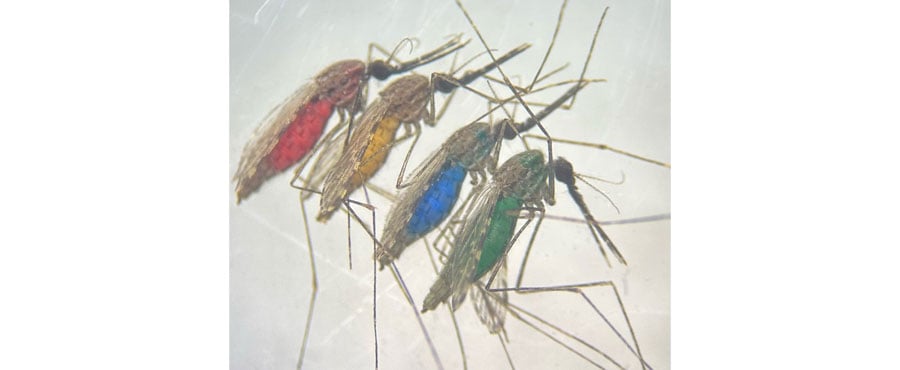
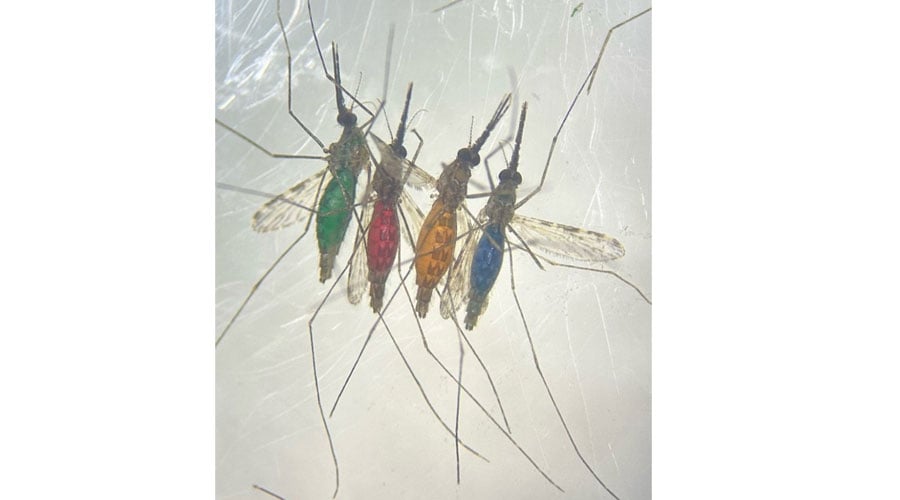
Malaria mosquitoes with abdomens visibly coloured after feeding on sugar solutions containing different food dyes. The swollen, dyed abdomens indicate recent sugar feeding, with each mosquito having ingested a different coloured solution. This method is used to track sugar-feeding in behavioural assays. 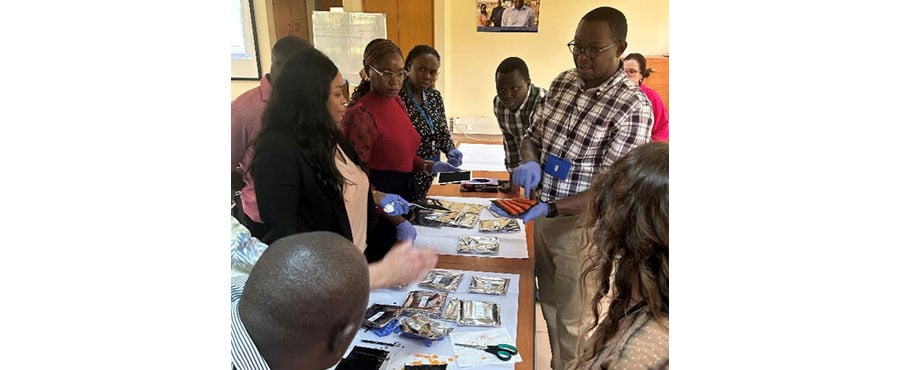
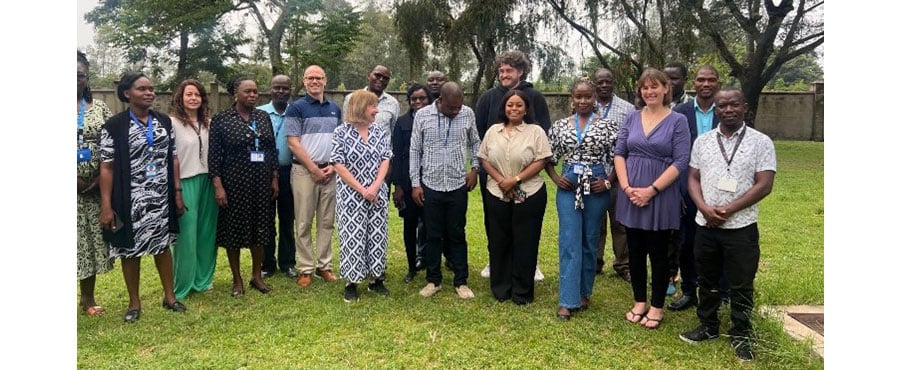
Project team handling sugar baits at kick-off meeting of a project investigating knowledge gaps around attractive targeted sugar baits (ATSBs), Kisumu, Kenya, January 2025. - Chemical ecology studies on vectors of Trachoma in Ethiopia has led to the development and evaluation of wearable repellent technology to control infectious blindness
- The RAFT consortium is helping lead the response to the invasion of the urban malaria vector, Anopheles stephensi, in sub-Saharan Africa through ecological and other studies
- Vector-pathogen-host interactions
Our laboratory research has advanced understanding of vector-pathogen-host interactions and the biology of parasite transmission, uncovering key mechanisms such as:
- How leishmania parasites colonise the midgut of sandflies and manipulate them to become more efficient vectors
- How malaria parasites manipulate mosquito biting behaviour and human odour profiles to enhance pathogen transmission
- Transmission, infection and vector-pathogen interactions of neglected arboviruses in Aedes mosquitoes
- Epidemiology of vector-borne disease
We conduct epidemiological research on a range of vector-borne diseases, helping bridging entomology and public health. Our studies have helped identify risk factors for disease, enhance surveillance and develop more effective control strategies. Some of our key contributions include:
- Molecular xenomonitoring and mathematical modelling has helped improve surveillance and control of visceral leishmaniasis in India. This research formed a crucial part of the SPEAK India Toolkit for Surveillance of Visceral Leishmaniasis
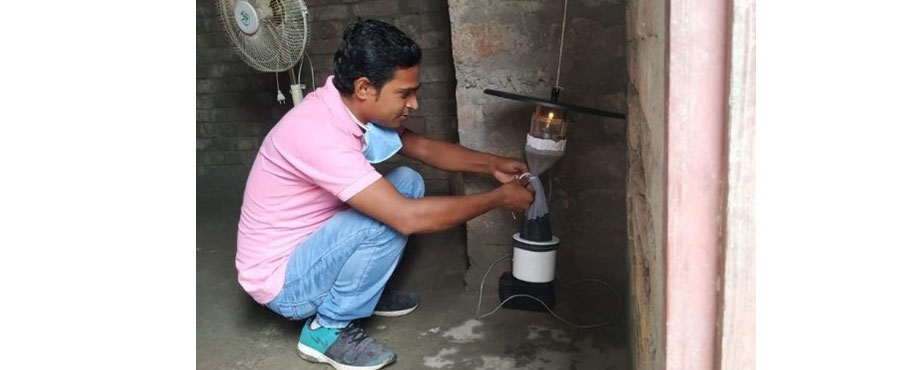
Field technician collecting insects from a light trap as part of a project using xenomonitoring to improve surveillance and control of visceral leishmaniasis in India. 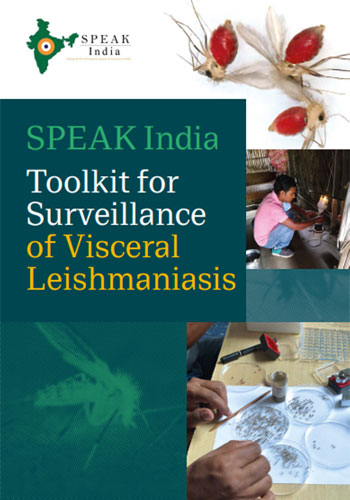
SPEAK India toolkit for surveillance of visceral leishmaniasis, developed by members of the Public Health Entomology Group. - Pioneering the use of drones and artificial intelligence to predict malaria risk in urban areas of Tanzania
- Population-based studies assessing the burden and risk factors of vector-borne diseases, notably scrub typhus in India and malaria in sub-Saharan Africa
Research themes
Beyond our research projects, PHEG members have also helped establish and maintain facilities that support research and teaching activities at LSHTM and other institutions.
- Insectary
LSHTM operates state-of-the-art insectaries, maintaining a diverse range of medically-important insects and arthropods to support research and teaching activities across the school. Twelve (12) key species are currently reared at these facilities, including:
- Mosquitoes (Anopheles, Aedes and Culex species)
- Triatomine kissing bugs (Triatoma, Rhodnius and Dipetalogaster species)
- Phlebotomine sandflies (Lutzomyia longipalpis)
- Bed bugs (Cimex lectularius)
- Bazaar flies (Musca sorbens)
- House dust mites (Dermatophagoides pteronyssinus)
To learn more about the insectary, please contact Patricia Aiyenuro or Shahida Begum.
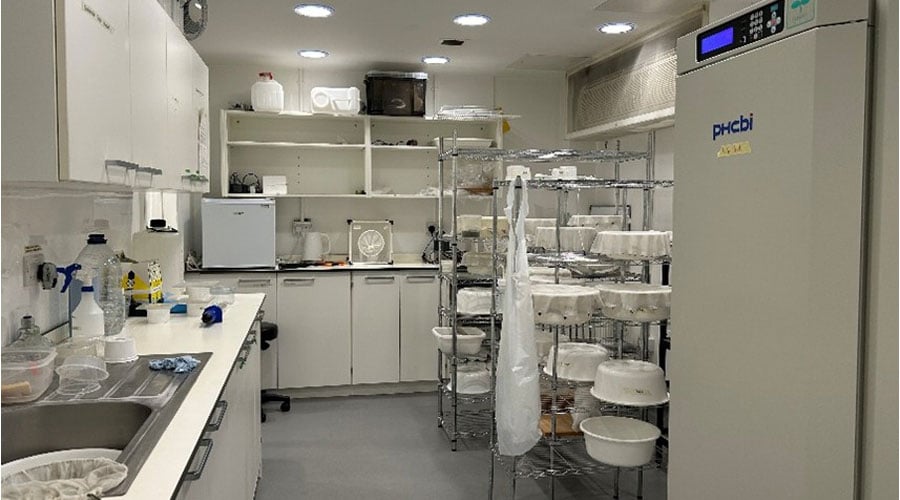
State-of-the-art insectary facilities at the London School of Hygiene & Tropical Medicine used to maintain a diverse range of medically-important insects and arthropods to support research and teaching. 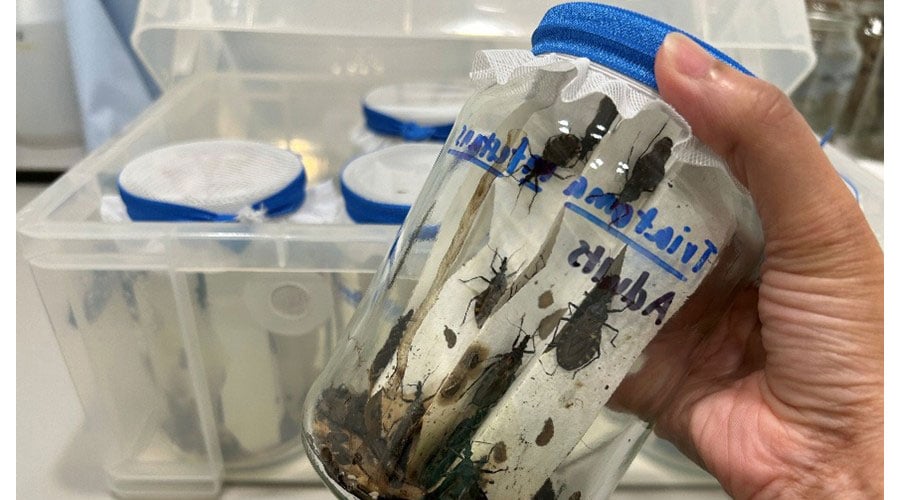
Rearing jar containing Kissing bugs (Triatoma infestans)—a type of biting insect which are responsible for transmission of Chagas disease in South America. 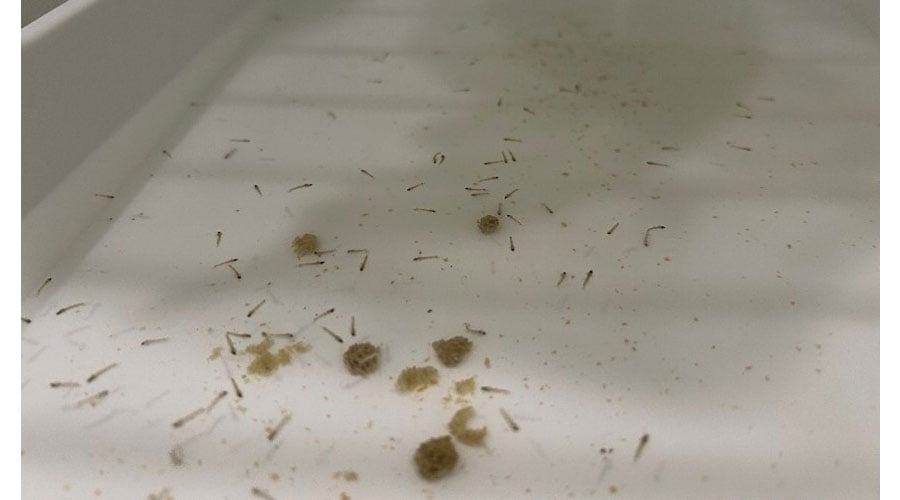
Rearing tray containing immature aquatic stages of mosquitoes (eggs, larvae). (eggs, larvae, and pupae). Mosquitoes spend the first part of their life cycle in water. Rearing trays like this are used to raise mosquitoes in the laboratory under controlled conditions. - Human Malaria Transmission Facility
The Human Malaria Transmission Facility was established in 2021 to facilitate studies on malaria parasites in the mosquito stage of their life cycle. By allowing controlled infection of mosquitoes with human malaria parasites allows research study parasite transmission and development within the vector. This resource supports a range of cutting-edge research, including:
- Efficacy studies for vaccines and other transmission-blocking compounds
- Genomic investigations into genes essential for malaria transmission
- Mechanistic studies of mosquito-parasite interactions
Although the facility is based at LSHTM, it is open for collaboration on academic and contract research projects with the broader research community. If you are interested in learning more about the facility or exploring opportunities for collaboration, please contact Mojca Kristan.
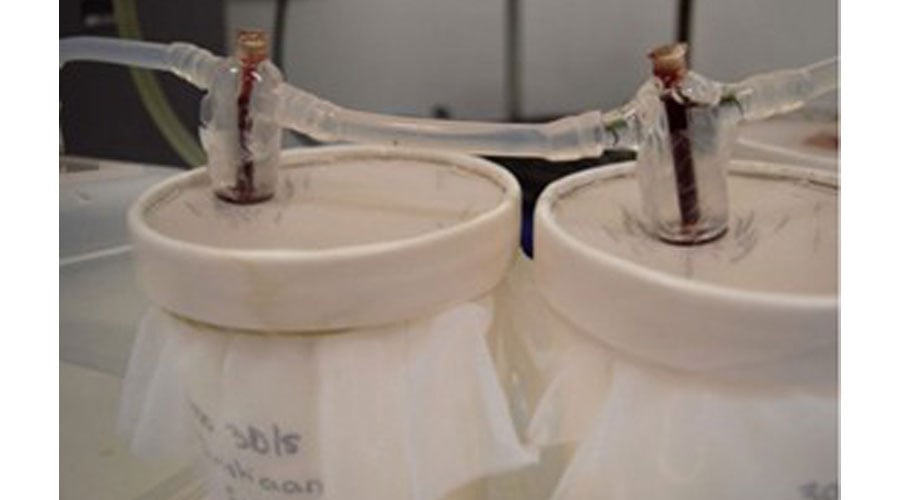
Using membrane feeders to feed mosquitoes with blood infected with malaria parasites. Membrane feeders simulate the surface of human skin and allow researchers to safely feed mosquitoes with infected blood for studies investigating malaria transmission or evaluating interventions like transmission-blocking drugs or vaccines. 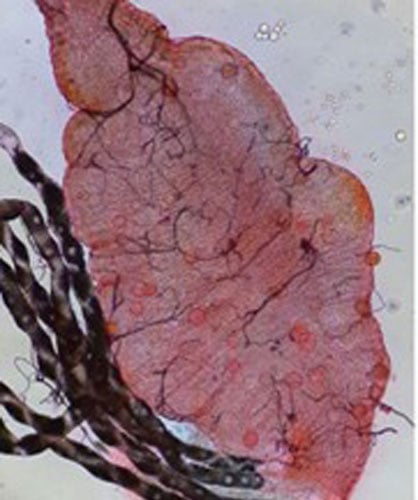
The midgut of a malaria mosquito infected with malaria parasite oocysts—an early stage in the parasite’s development inside the mosquito. This is where the parasites grow before moving to the salivary glands, ready to be transmitted to humans during a bite.
Beyond our research, PHEG also helps train the next-generation of public health professionals. Within LSHTM, we contribute to a wide range of teaching activities—from lectures to mentorship and supervising research projects. Our teaching spans the classroom, lab and field, helping students acquire invaluable theoretical knowledge and practical skills.
Intensive MSc programmes
- Medical Parasitology & Entomology
- Control of Infectious Diseases
- Tropical Medicine & International Health
- Public Health
- Medical Microbiology
- One Health: Ecosystems, Humans and Animals
- Climate Change & Planetary Health
Distance learning programmes
We also create and deliver lecture content delivered on 5 distance learning programmes at LSHTM. These include:
MSc and PhD project supervision
Our members are also very active in research project supervision. There are currently 7 PhD students supervised by PHEG members at LSHTM. Over the past 5 years, we have successfully supervised 35 MSc summer research project and 15 PhD projects. After graduation, many of these students have continued working at LSHTM and other major universities and institutions including the World Health Organisation, The Global Fund and the Centres for Disease Control and Prevention.
We also create impact by disseminating research in leading scientific journals to advance scientific knowledge. Over the past 5 years, our members have published 178 papers in more than 40 journals. See a full list of our recent publications.
Impact case studies
Over the past century, there are many examples of research conducted by PHEG members that has underpinned major public health achievements. Here, we highlight some key case studies demonstrating how our research has helped inform policy and improve health worldwide.
The development and evaluation of dual-active ingredient mosquito nets and residual insecticides for malaria control
Research led by members of PHEG and international partners has been instrumental in bringing new vector control tools to market, helping combat insecticide resistance in malaria vectors.
For several decades, low profit margins disincentivized the development of new insecticides for public health, leading to an overreliance on a limited portfolio of compounds for malaria control. This lack of innovation has contributed to a rise in insecticide resistance in malaria vector populations which is undermining the efficacy of long-lasting insecticidal nets (LLINs) and indoor residual spraying (IRS), posing a significant threat to control progress. Over the past 15 years, strategic collaborations between academics at LSHTM, the WHO and industrial partners have been pivotal in overcoming economic barriers to the development of new vector control products and combatting insecticide resistance.
The most important achievement of this work was the recent WHO recommendation of new LLIN products containing a combination of active ingredients. Academics from LSHTM were involved in this research from the beginning, leading proof-of-concept laboratory and semi-field studies to assess whether candidate compounds were effective against insecticide-resistant mosquitoes and suitable for use on LLINs. These preliminary studies led to the development of several prototype LLIN products containing a standard pyrethroid insecticide and a second compound effective against resistant mosquitoes. While results from subsequent field evaluations of these LLINs were promising, the WHO requested robust evidence from randomised epidemiological trials to build the evidence base for their deployment.
In the years following, a series of cluster-randomised controlled trials were conducted in Benin and Tanzania to assess the epidemiological impact of these novel LLINs. These trials generated high-quality evidence for the public health value of two of the candidate nets, namely pyrethroid-piperonyl butoxide (PBO) and pyrethroid-chlorfenapyr LLINs. Based on this, WHO has recommended the deployment of both net types in malaria-endemic countries, leading to a substantial scale-up in coverage in recent years. As of 2025, 83% of all LLIN shipments in sub-Saharan Africa were for new LLIN types and recent modelling studies suggest that switching to new LLINs could avert up to 75% more malaria cases compared to use of standard tools.
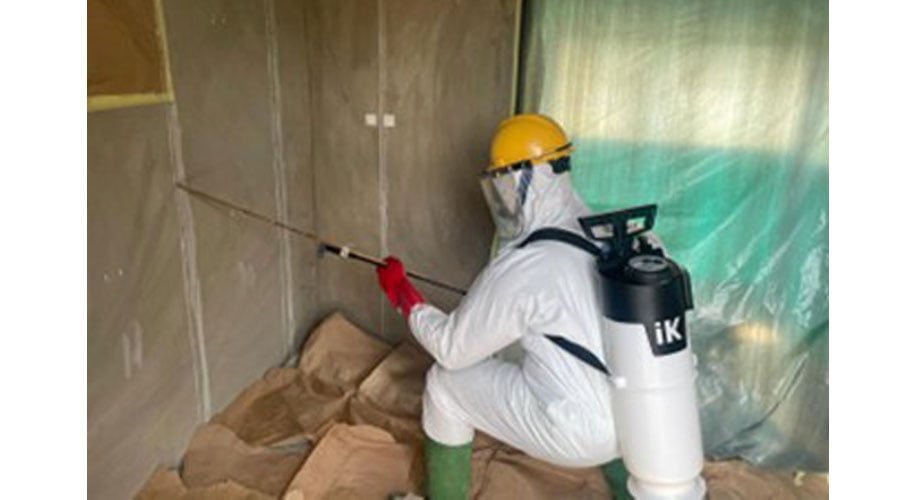
In addition to LLINs, research by PHEG members has also helped bring several new IRS insecticides to market. Although the use of IRS has declined in recent years due to funding constraints, it remains highly effective in controlling malaria when implemented properly. In collaboration with Mitsui Chemicals and the Innovative Vector Control Consortium (IVCC), researchers from LSHTM conducted a range of studies spanning the laboratory to the community to evaluate the safety and efficacy of a new IRS formulation (VECTRON T500) containing the meta-diamide insecticide, broflanilide. After early lab studies showed that broflanilide exhibited low toxicity to mammals and was effective against resistant mosquitoes, small- and large-scale field trials were initiated in Benin and Tanzania. These studies demonstrated that VECTRON T500 was highly effective at controlling wild malaria vector populations when sprayed inside households and crucially, continued killing mosquitoes for up to 2 years after application. Based on this evidence, VECTRON T500 was added to the list of WHO-recommended vector control products and is now being used in many countries where IRS is regularly implemented, helping to improve control of insecticide-resistant malaria vectors.
These case studies represent significant public health achievements underpinned by research conducted by PHEG members. Learn more about the WHO recommendation of new LLINs, or for a broader overview of research at LSHTM on new malaria vector control strategies.
Guideline development for leishmaniasis vector control
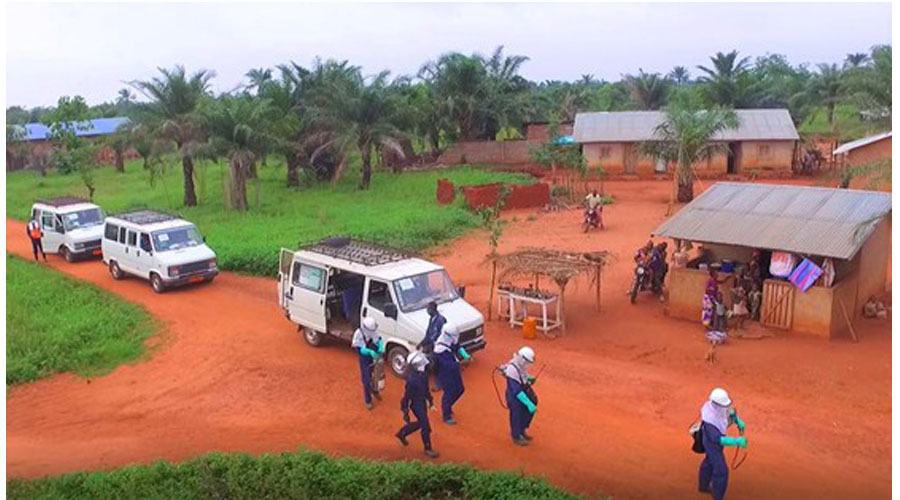
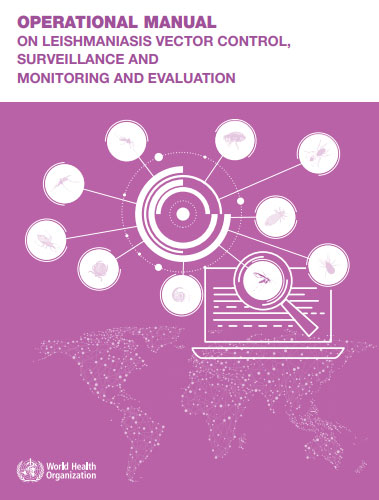
Leishmaniasis, a neglected tropical disease caused by Leishmania parasites transmitted by phlebotomine sand flies, remains a serious health problem in many areas. Visceral leishmaniasis, for example, causes 30,000 new cases every year with a high case fatality if left untreated. Although interventions targeting the sand fly vector have formed a core component of leishmaniasis control strategies in recent decades—helping many countries reduce cases to near elimination—vector control is often neglected by control programmes due to challenges in funding and implementation. Recognising the need to strengthen sand fly control and surveillance to accelerate progress towards leishmaniasis elimination, the WHO developed the manual on leishmaniasis vector control, surveillance, monitoring and evaluation in 2023.
Members of PHEG include world-leading experts in leishmaniasis vector control who were asked to lead a panel of international experts to develop the manual. Leveraging their expertise and experience, they contributed directly to its writing, ensuring the guidelines incorporated cutting-edge knowledge on sandfly control and surveillance. Overall, the manual equips control programmes with practical tools, techniques and procedures needed to strengthen sand fly control and surveillance—key to improving leishmaniasis control in affected regions. PHEG’s contribution to these guidelines further demonstrates our commitment to shaping global health policy to reduce the burden of vector-borne disease and save lives.
Guideline development for determining the comparative efficacy of new vector control products
The spread of insecticide resistance in malaria vectors has led to the development of next-generation long-lasting insecticidal net (LLIN) and indoor residual spraying (IRS) products containing new active ingredients. Several of these new types of intervention have been recommended for public health use by WHO after prototype products demonstrated epidemiological and entomological impact in large-scale community randomised trials. In the years following, vector control product manufacturers have continued to innovate, developing new varieties of these products to help fulfill market demand. However, these new products have not undergone the same rigorous evaluation as previous prototypes, and it remains unclear whether they will provide comparable levels of disease control.
Recognising the prohibitive cost and time constraints of repeating cluster-randomised controlled trials with all new products, WHO launched an initiative in 2018 to streamline the evaluation of new products falling within existing intervention categories. As part of this, they published a non-inferiority trial protocol, designed to assess whether new second-in-class LLINs and IRS products perform comparably to the proven first-in-class prototypes. PHEG members played a crucial role in piloting this approach. At LSHTM partner sites in Benin and Tanzania, a variety of next-generation LLIN and IRS products were tested following this design, generating crucial data on their comparative efficacy. Later in 2021 and 2023, researchers from these sites participated in technical consultations with WHO, where they presented efficacy data and shared perspectives on the value of non-inferiority trials for determining the comparative efficacy of new LLIN and IRS products. As a result of this, non-inferiority trials were formally integrated into WHO’s evaluation framework, providing a streamlined process for evidence-based decisions about whether new products can be covered by existing policy recommendations.
Through this work, PHEG members have helped WHO develop rigorous but pragmatic guidelines for determining the comparative efficacy of new vector control products—helping expand access to effective vector control in endemic countries while maintaining high standards of evidence.
Response to the invasion of the urban malaria vector Anopheles stephensi in sub-Saharan Africa
Despite decades of progress in the control of vector-borne diseases, a range of emerging biological threats now pose a significant risk to sustaining these gains. In malaria control, long-standing challenges such as increasing parasite drug resistance and vector insecticide resistance are being compounded by the recent invasion of Anopheles stephensi—an Asian mosquito vector highly adapted to urban environments—into sub-Saharan Africa. This development represents a critical shift in the epidemiology of malaria on the continent. Unlike traditional African malaria vectors, which are predominantly found in rural settings, An. stephensi thrives in urban areas. Its invasion in Africa thus presents an urgent threat to control, with potential to significantly increase malaria transmission in urban settings.
As key contributors to the Resilience Against Future Threats (RAFT) consortium, PHEG members are at the forefront of efforts to address this threat. RAFT is a research consortium established to generate new evidence for governments and health leaders to ensure that national mosquito strategies are effective in the face of new threats, particularly in Africa. One of its main remits is to generate evidence to help produce a coordinated response to the invasion of An. stephensi. RAFT is doing this through the following activities:
- Conducting entomological and molecular surveillance to detect the presence of An. stephensi in African countries
- Developing and testing eDNA surveillance tools for early detection of An. stephensi
- Carrying out case studies across African countries to assess national preparedness and offer tailored recommendations to mitigate emerging vector-control threats
This work demonstrates the commitment of PHEG members to responding to emerging challenges in vector-borne disease control. Through its involvement in RAFT, PHEG is helping coordinate a response to some of the most significant threats to malaria control—helping ensure the sustainability and effectiveness of control measures for decades to come.
To learn more about the RAFT consortium and their work responding to emerging threats in vector-borne disease control explore these webpages.
To learn more about the RAFT consortium and their work responding to emerging threats in vector-borne disease control, explore this webpage and online presentation.
Engagement with policy and practice actors
As world-leading experts in public health entomology, several of our members hold key advisory and advocacy roles at major health institutions. Notable examples of our engagement with policy and practice actors include:
- Our members regularly serve on World Health Organisation advisory groups, using their expertise to influence global health policy. PHEG members have been part of the: Vector Control Advisory Group, Malaria Policy Advisory Group and a Regional Technical Advisory Group on leishmaniasis elimination in south Asia.
- Our members have also advised Ministries of Health on suitable vector control strategies, most notably for malaria and leishmaniasis control in Benin and India, respectively.
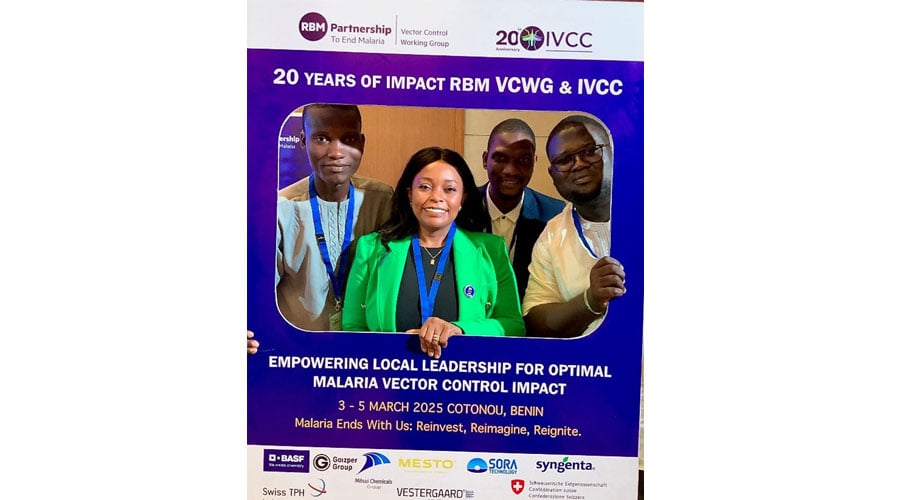
- Our members include the current co-chair of the Roll Back Malaria Partnership’s Vector Control Working Group (VCWG), and one of its founding co-chairs. The VCWG is a collaborative initiative that brings together various stakeholders to advance vector control and malaria elimination efforts.
Publications
We also create impact by disseminating research in leading scientific journals to advance scientific knowledge. Over the past 5 years, our members have published 178 papers in more than 40 journals. See a full list of our recent publications.
Public Health Entomology Group (PHEG) are pleased to announce a provisional date for the next PHEG symposium. It is currently planned for Tuesday 17th February 2026 in the Manson Lecture Theatre at LSHTM’s Keppel Street location as a hybrid event with both in-person and online attendance available.
If you are interested in presenting or attending please contact Thomas Syme or Terri O’Halloran.
The Public Health Entomology Group (PHEG) held a successful online symposium on Tuesday 9th September! Although London underground strikes prevented us from meeting in person, they did not derail the event!
We were delighted to see a strong turnout, with 34 attendees and a series of insightful, engaging presentations. Ten speakers from six institutions presented on topics ranging from sugar baits and insect sugar-feeding behaviour to other innovative approaches for control of malaria, trachoma and leishmaniasis. Presentations also explored the impacts of urbanisation on vector-borne disease, recent advances in UK tick genomics, and the activity of naturally-occurring bacteria against mosquito larvae.
A huge thank you to all speakers and attendees for contributing to the event. Stay tuned for details of our next symposium!
Public Health Entomology Group (PHEG) are pleased to announce a provisional date for the next PHEG symposium. It is currently planned for Tuesday 9th September 2025 in the Manson Lecture Theatre at LSHTM’s Keppel Street location as a hybrid event with both in-person and online attendance available.
If you are interested in presenting or attending please contact Thomas Syme or Terri O’Halloran.
We’re pleased to share that the 9th International Congress of the Society for Vector Ecology (SOVE) will be held from October 12–17, 2025, in Chania, Crete. This event brings together global experts in vector ecology and public health to share research, foster collaborations and explore new strategies for tackling vector-borne diseases. Abstract submission has already closed however, you can still register to attend the conference at the official conference page: SOVE 2025, Crete.