Two Schools, one Health Policy MSc: Ankit’s honest advice
21 July 2026 London School of Hygiene & Tropical Medicine London School of Hygiene & Tropical Medicine https://lshtm.ac.uk/themes/custom/lshtm/images/lshtm-logo-black.png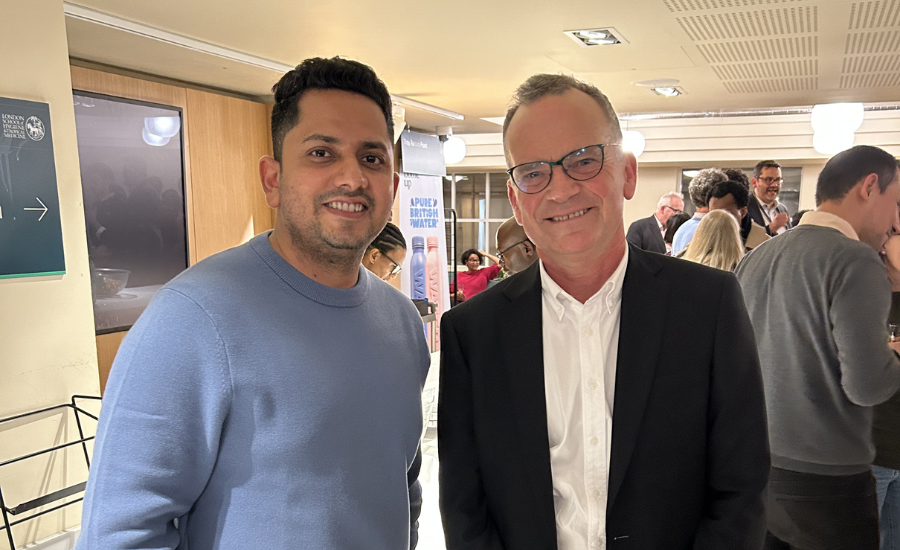
When I enrolled on the MSc Health Policy, Planning and Financing (HPPF), I was not just joining one of the world's leading institutions; I was joining two of them simultaneously. HPPF is a joint programme delivered by LSHTM and the London School of Economics & Political Science (LSE), and that partnership is genuinely one of its greatest strengths. It is also, in the early weeks at least, one of its most disorienting features.
You will register at both institutions, carry two student cards, navigate two assessment systems, and toggle between two very different intellectual cultures. The epidemiological rigour of LSHTM juxtaposes with the political economy lens at the LSE, sometimes within the same day. Learning to manage was part of the degree; here is what helped me.
Get comfortable moving between two campuses and two cultures
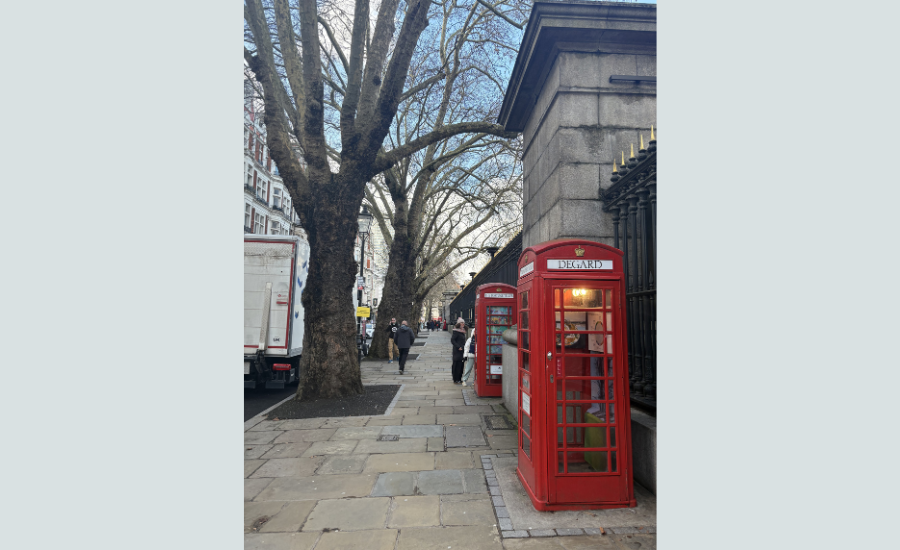
LSHTM's Keppel Street and LSE's Houghton Street campuses are about fifteen minutes apart on foot, which sounds manageable until you have a two-hour seminar at LSE that ends at 1 pm and a lecture at LSHTM that starts at 2 pm, and you have to squeeze in a lunch and some readings in between. The fifteen-minute walk, however, goes through the literary and historic hub of Bloomsbury, lined by elegant Georgian townhouses, speciality coffee roasters, independent bookshops, and the British Museum. I often stole a minute at the British Museum to look at the historical artefacts from around the world.
The terminology is also different and often confusing. What LSHTM calls a module, LSE calls a course; and a tutor at LSHTM becomes a mentor at LSE. The academic year follows a different rhythm too. Both institutions start in the autumn term, but LSHTM runs into the spring and summer terms, while LSE runs across the winter and spring terms. Small and inconsequential differences, but disorienting enough in the first few weeks to make you feel like you are constantly translating between two dialects of the same language.
One of the quieter joys of being on a joint programme is the sheer volume of resources available, and one of its quieter frustrations is working out which ones to actually use. As a registered student at both LSHTM and LSE, you have access to two libraries, two careers services, two student unions, two sets of digital skills training, and countless events across the year. LSE offered diversity in its range of opportunities, while LSHTM felt more intimate in its facilities. The complication, however, is in the duplicity. It gets tempting, particularly in the first term, to sign up for far more than you can reasonably attend. To save the inbox clutter, I audited as much as possible in the first month, and then deliberately participated in what I felt were the best offers.
The cohort is the hidden curriculum
Perhaps the most consistent thing many of us HPPF students said, looking back, is that our classmates were the most valuable part of the programme. This was a cohort of people who came from clinical medicine, public health, government ministries, NGOs, international agencies, consultancies, and research institutions across the globe. The diversity of experience in a single seminar room means that the learning that happens around the edges of the formal curriculum, in the conversations after class, over lunch on the educational trip, or on the walk between campuses, is often just as substantive as what happens in lectures.
Another one of the less obvious benefits of straddling two institutions is the exposure to two entirely different cohorts. At LSHTM, your classmates predominantly have public health or healthcare backgrounds, while at LSE, you are sitting alongside peers, many of whom have never worked in a health setting, but bring analytical frameworks from fields as diverse as economics, political science, international relations, finance, and consultancies. The module-focused academic environment at both institutions means you will be widely interacting with students from other programmes, be it MSc Tropical Medicine & International Health at LSHTM or MSc Health Data Science at LSE. By the end of the year, you will have learned almost as much from the people around you as from the curriculum itself.
Read the programme handbook and attend the Welcome Week before you do anything else
The programme handbook is more than a hundred pages long. Read it anyway. Welcome Week is a plethora of orientation events packed like sardines. Attend it anyway. The handbook and Welcome Week laid out which modules are compulsory, which are semi-compulsory, and which are elective, across eight modules in total (four from each institution). Understanding that structure before the term begins means you can make genuinely strategic choices about your timetable rather than reacting to it. Module clashes are a real issue in this programme, and the students who navigated them best were almost always the ones who planned ahead.
Think carefully about what you want to get out of the year. If you are coming from a healthcare or public health background and want to build your economics toolkit, lean into the LSE modules on health financing or economics early. If your background is in economics or policy and you want a grounding in health systems, the LSHTM modules on health policy or health systems might provide that. The module on decision science at LSHTM in the second term honestly did a bit of both and remains my favourite. The programme is flexible enough to be shaped around your goals, but only if you approach module selection with deliberate intention.
Welcome Week particularly feels overwhelming. Both institutions run induction events simultaneously, often with clashing timetables, and the calendar fills up faster than seems possible: library tours, IT registration sessions, departmental welcome drinks, welcome fairs, and two separate sets of socials to navigate. It is a lot, and it is worth showing up for anyway. Welcome Week is the one moment in the year when everyone is equally new, uncertain, and open to conversation. The connections made over a slightly awkward icebreaker in week one have a habit of becoming the friendships that carry you through assessments and beyond. Treat it less as an administrative exercise and more as an investment.

On balance, it is supposed to feel like a lot
There will be moments, particularly in the closing weeks of terms 1 and 2, when assessment season and module intensity collide, where being on a joint programme feels less like a privilege and more like a logistical puzzle you are solving in real time. That is normal. HPPF is an intense programme precisely because the questions it asks you to grapple with are genuinely hard ones. The entirety of an intense year is sandwiched between Welcome Week and dissertation season, and the dissertation deadline arrives faster than you would imagine. The year will go quickly. It will also, almost certainly, be one of the more formative ones of your career. Both things are true, and both are worth holding onto when you feel overwhelmed.
5 final recommendations
1. Read the module handbook before the programme begins and show up to Welcome Week with an open mind, genuine curiosity, and a willingness to meet everyone in the room.
2. Say yes to the social events. Networking evenings, guest lectures, alumni meet-ups, recruiter events, student union nights: there will be no shortage of them, and some of the most valuable connections you make this year will happen not in a seminar room but over a drink afterwards.
3. When it gets overwhelming, and it will, reach out. Both institutions have support services worth using, and the friends you make during the year will often empathise with what you are going through.
4. Do not confine yourself to these two campuses. LSHTM and LSE sit at the heart of London, which puts you within easy reach of the best institutions and events in the country. Oxford and Cambridge are barely an hour away by train.
5. See London. If you are a foodie, you have landed in the right city. There is no cuisine in the world you cannot find here, and often at its very best. There is always something to do in this city outside the classrooms.
- You might ask: Is LSHTM worth it?
- Read another blog: Maximising my 1-Year while studying MSc Health Policy, Planning & Financing at LSHTM & LSE
- Learn more about MSc Health Policy, Planning & Financing
- Application tips from Shereen & Ella
- Contact our student and alumni ambassadors