Being an advocate for planetary health while Armaan studies at LSHTM
24 October 2025 London School of Hygiene & Tropical Medicine London School of Hygiene & Tropical Medicine https://lshtm.ac.uk/themes/custom/lshtm/images/lshtm-logo-black.png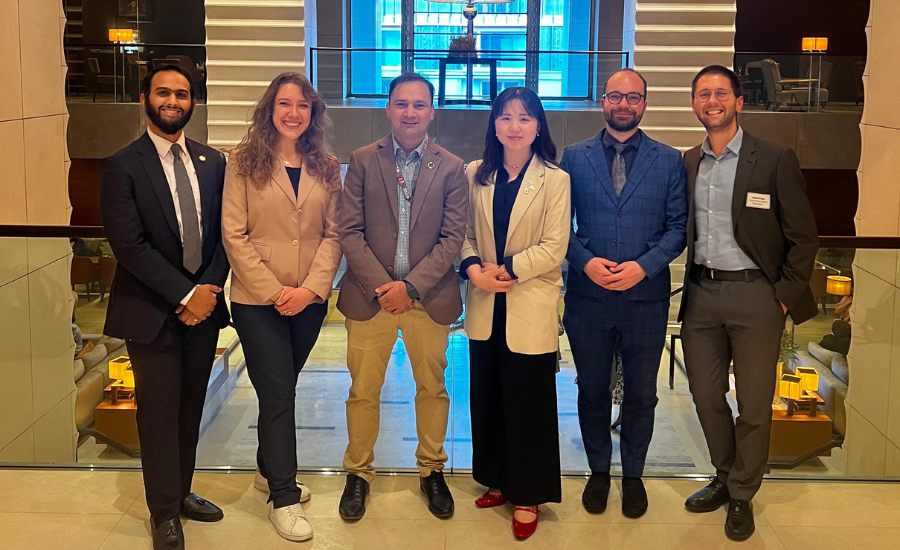
During my academic year, I wanted to have learning experiences both in and outside the classroom. By recognising and applying for possible opportunities early in the first term, I was fortunate to take up multiple roles during my time at LSHTM. During the year, I was a Student Liaison Officer (SLO, now Centre Student Ambassador) for the Centre for Maternal, Adolescent, Reproductive, & Child Health (MARCH) Climate Theme, and an ambassador for the Centre on Climate Change & Planetary Health's Planetary Health Network (PHN).
These roles enriched what I was learning daily in my MSc Climate Change and Planetary Health course. As an experienced clinical and research implementation professional in maternal and child health, specifically paediatric HIV, I am well-positioned to recognise and advocate for the links between climate change and the health of vulnerable populations. Importantly, both Centres have worked in these intersecting fields, and I wanted to leverage these networks.
In these student roles, I contributed to event planning and execution, promoted student-led initiatives, and wrote up content and newsletters. By collaborating with other students, Centre staff and early career researchers, I enriched my academic year with practical experience in these knowledge fields. This was enhanced by a range of activities outside the classroom, which only added to the great experience!
Chances to advocate for planetary health
As an ambassador in the PHN, the team and I wrote a weekly newsletter highlighting climate and health focused research, events, and resources. I also contributed to internal events, and represented the PHN at the Centre on Climate Change & Planetary Health management meetings. I worked closely with Centre staff and researchers, learning about research priorities in the climate-health field, and how governance and decision-making are carried out in academic units. By participating in content development, this role provided invaluable experience for a career in research and implementation, and adds so much nuance to the taught component of MSc courses.
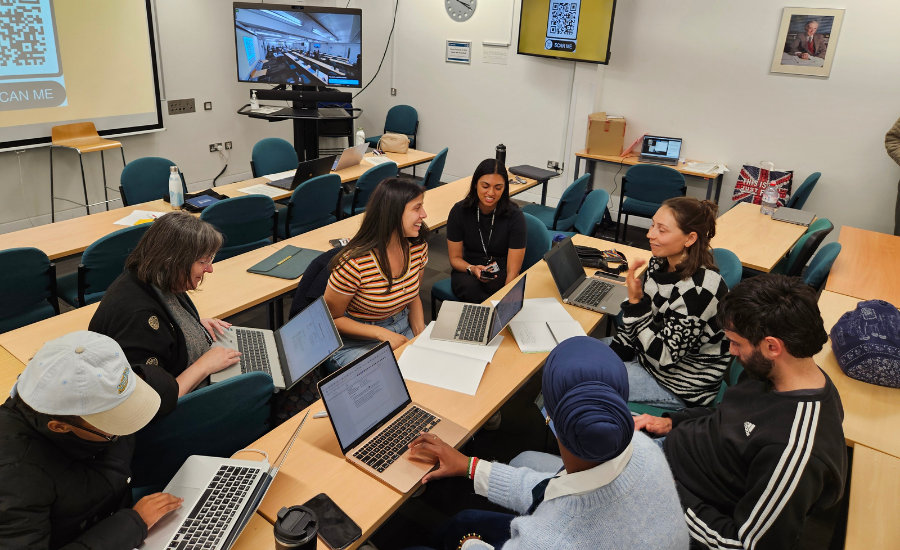
In the Centre for Maternal, Adolescent, Reproductive, & Child Health, we SLOs planned and executed the flagship Hackathon event, where groups took on the challenge of creating and presenting climate-resilient healthcare solutions focused on MARCH priority populations. By developing content and being a group facilitator at the event, I ensured that we provided accurate climate-focused health information for participants to focus on health systems strengthening. This was a great way to leverage my professional experience and LSHTM teaching. Planning and executing the event also helped me stretch my stakeholder engagement muscles, another key focus of the MSc Climate Change and Planetary Health and Centre initiatives.
Attending the World Health Assembly
In May, I attended the 78th World Health Assembly with a few other LSHTM students in Geneva, Switzerland. We had diverse interests and convened at certain points over the week to share our experiences. Staff from both Centres signposted me to people and activities to optimise networking. I got to see how maternal, child and adolescent populations are prioritised in climate-health efforts, and built on my previous work in HIV programmes. By attending a WHO Youth Council dialogue, I saw how discussions in the PHN and CCPH Centre are similarly held at global platforms. By engaging with many maternal and child health and health systems-focused professionals, priorities in universal health coverage and the effects of developmental aid cuts were quite clear. This was a big point of concern at School and Centre engagements throughout the academic year. It's also great to meet LSHTM alumni in such global settings - a little logo pin-badge goes a long way!
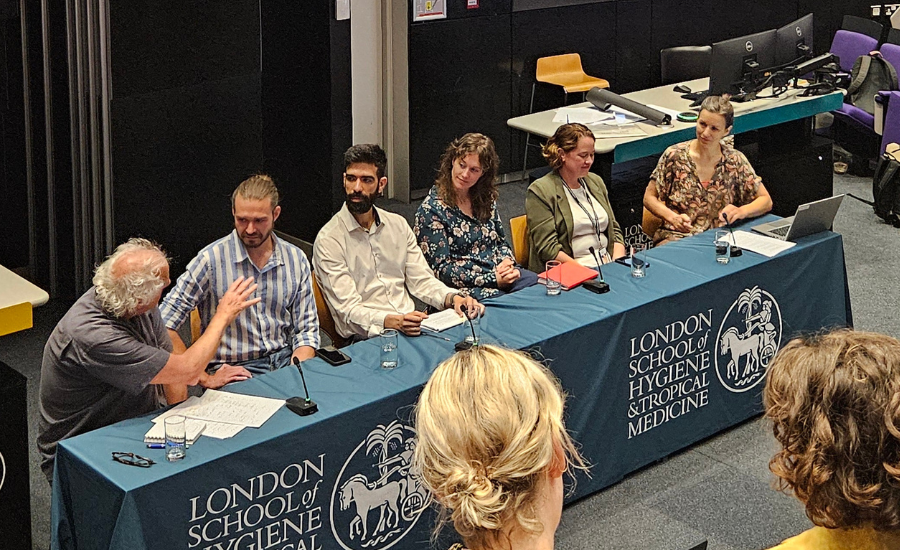
London Climate Action Week is one of the biggest congregations of climate professionals in Europe, and I participated in various activities while juggling the MSc research project. By engaging with diverse practitioners in the climate space, I was able to promote a health-focus in climate action, particularly for vulnerable populations. As this transdisciplinary nature of planetary health work is a core focus of MSc Climate Change and Planetary Health, this was a great practical way to engage with the climate sector as a health professional. Contributing to Centre activities as an SLO and ambassador has enabled me to comfortably engage at this city-wide level, and the LSHTM brand was recognised and appreciated in these settings. The week's activities culminated in a flagship event at LSHTM, where we hosted delegates in discussions on the role of cities in climate action, and the importance of emerging air pollutants in health. Planning and executing events at the School helps to gain exposure and engagement in the field, and further contributes to a holistic learning experience, by being on "the other side" of the curtain.
Further opportunities linked to the networks
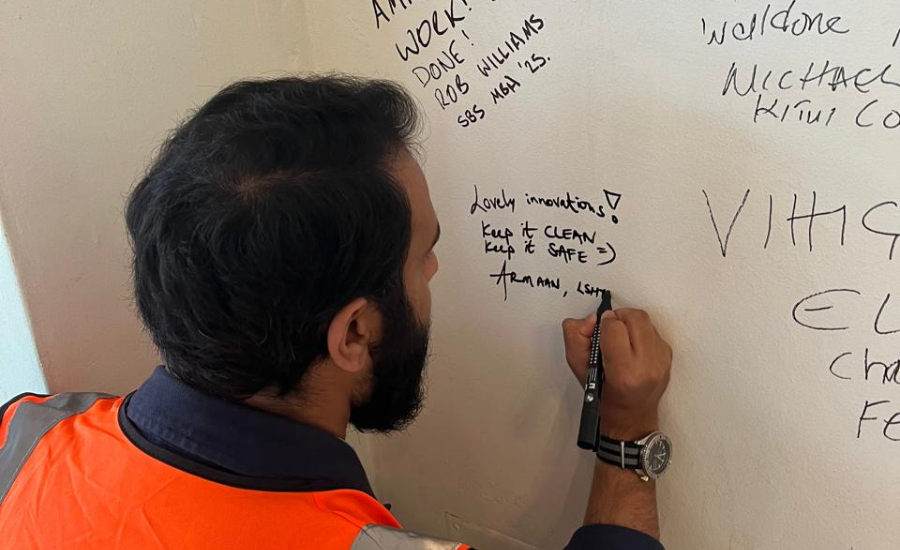
Through personal networks, I joined MBA students on a social-enterprise focused visit to Nairobi, Kenya. There, I engaged with entrepreneurs working on sustainable transport, and healthcare focused impact investors. I leveraged my SLO experiences from various events and staff engagements by bringing a planetary health lens to these discussions – showing how research and policy are translated and realised in practice. This on-the-ground experience was a great way to see how principles from the classroom are made real in the outside world. By being both a student representative and a professional, I was able to see both sides of the picture - this is invaluable in ensuring that interventions truly benefit those they're meant for.
I've learnt many things this year at personal, academic, and professional levels. The experiences I gained through my SLO and ambassador roles helped to solidify my strengths in coordination and implementation, and highlighted how to engage effectively with diverse people in achieving common goals. I hope to use these transferable skills in the many diverse challenges and settings that LSHTM graduates call the (planetary) health workplace!
- Contact our student ambassadors.
- Discover ways of study at LSHTM.
- Find out more about MSc Climate Change & Planetary Health (in person) or MSc Climate Change & Planetary Health (online).
- More from CCPH students: From rural New Zealand to London: Rebecca’s part-time at LSHTM.
- Learn more about the Centre for Maternal, Adolescent, Reproductive, & Child Health and the Centre on Climate Change & Planetary Health at LSHTM.