11 things you need to do after being accepted into a PhD programme - Millie's take (Part 1)
30 September 2025 London School of Hygiene & Tropical Medicine London School of Hygiene & Tropical Medicine https://lshtm.ac.uk/themes/custom/lshtm/images/lshtm-logo-black.png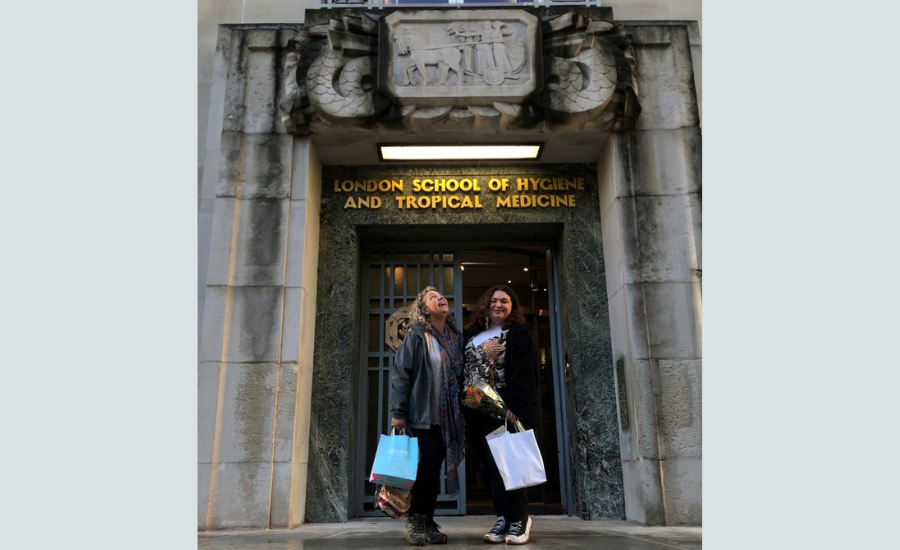
Hi, I’m Millie, a 3rd-year PhD student in the Department of Infection Biology, Faculty of Infectious and Tropical Diseases at LSHTM, working in the Ward Lab. Before this, I completed an integrated master's in Molecular Cell Biology at the University of York, where I researched Leishmaniasis, a neglected tropical disease, in the Walrad Lab.
At LSHTM, my research focuses on how antibodies are secreted. Specifically, I study how different antibody types - varying in size and complexity - are trafficked through the secretory pathway, from their synthesis in the endoplasmic reticulum to their release from the Golgi. I’m particularly interested in the role of Coat Protein Complex II (COPII) in this process. Understanding these mechanisms not only advances our knowledge of immunology and antibody regulation but also has applications in monoclonal antibody therapies and antibody production for research.
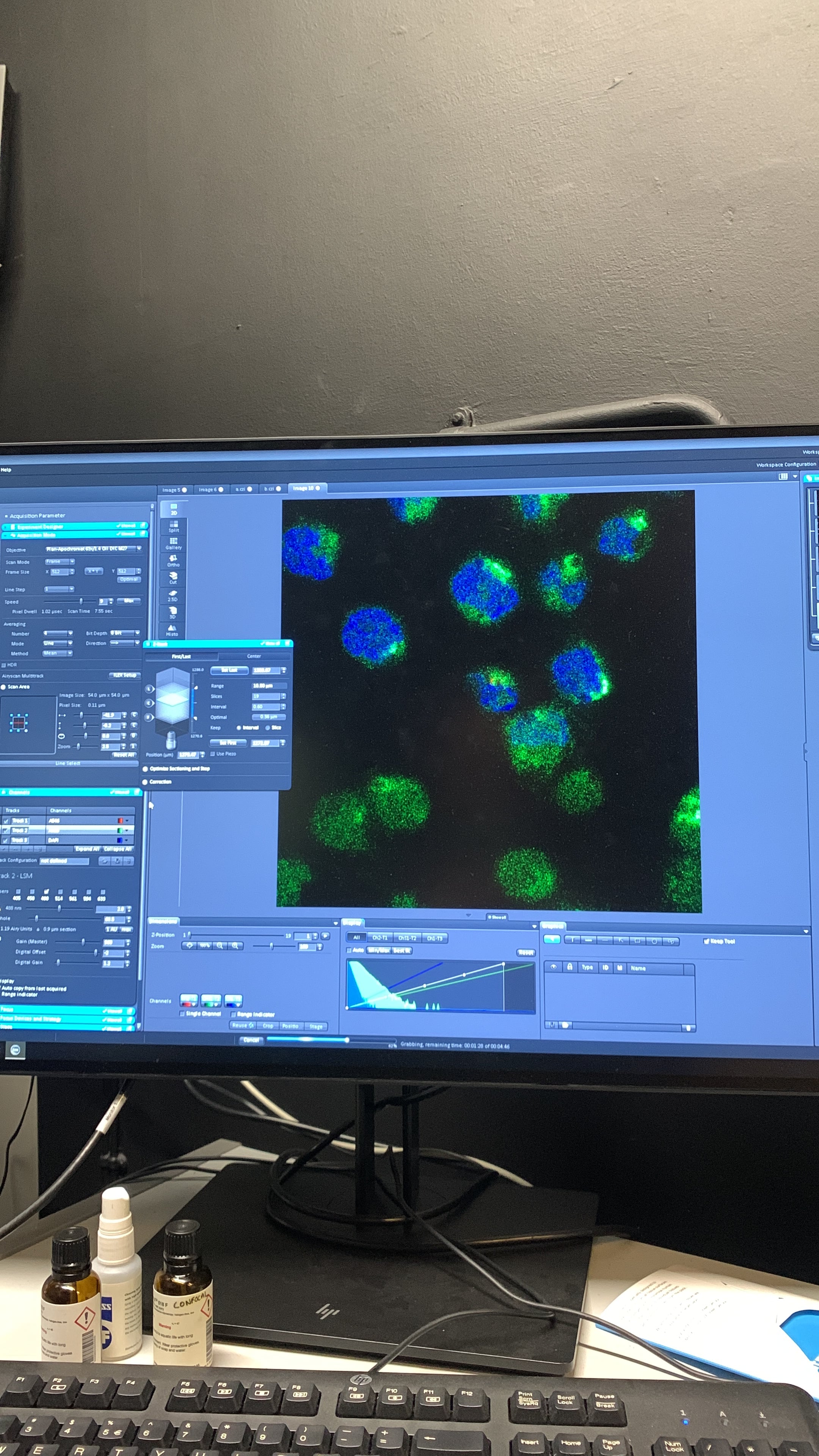
To investigate this, I use a mixed-methods approach: confocal microscopy analysis with gene knockdowns, Cryo-ET for macromolecular imaging of the secretory pathway, and RNA sequencing for gene expression analysis.
The path to this point has been challenging, as PhDs are designed to be. They test your resilience (a word you’ll hear often when studying at this level), but also bring excitement and discovery. There are many things I wish I’d known before starting, and plenty I’m still learning as I study. In this blog, I’ll share some tips, highlight LSHTM resources that can support your studies, and suggest ways to get the most out of your PhD journey in London.
1. Always be reading
One piece of advice that stuck with me during my LSHTM induction was the phrase: “your literature review is the first thing you start, and the last thing you finish.” I’ve found this to be very true.
Before starting your PhD, it’s worth easing yourself into literature reading. Of course, enjoy your break before diving in, but if you can, begin identifying areas of interest, reading around them, and practising how to critically analyse papers. At LSHTM, there are excellent workshops on literature reviewing and on using resources effectively. I highly recommend them, as well as the sessions on EndNote - the reference management software LSHTM uses to organise and store papers.
Personally, I try (when I can!) to spend the first 30 minutes of my day reading through a paper I’ve downloaded, highlighting key points, noting research gaps, and paying attention to structure. This not only helps me start the day in a focused, structured way but also gives me direction for what to look into next.
Another useful tip is to set up alerts for key terms in your research area; for me, it’s “COPII.” This helps you keep up with the latest publications and continuously feed into your literature review right through to the end of your PhD.
2. Stay organised
It might sound simple, but managing your time during a PhD is often one of the hardest parts. Much of the work is independent - research, writing, analysis, and lab work - so planning your days, weeks, and months is essential (and something I still struggle with).
A simple starting point is, after your morning reading, spend five minutes setting up a to-do list. Note down urgent tasks as well as smaller ones you can chip away at during the week. Productivity techniques, like the Pomodoro method (30 minutes of focused work followed by a 5-minute break), can also help you get into a rhythm when tackling reading, writing, or data analysis.
The key is to find what works best for you; PhDs are flexible. Whether you are an early bird or a night owl, you can adapt your schedule (while still respecting lab and meeting times) to match your natural peaks in concentration.
It is also important to recognise when your focus dips. For example, I know I lose concentration between 3-4 pm. During that time, I will take a walk, grab a coffee, or do lighter tasks like answering emails or downloading papers, before coming back refreshed for the final push of the day.
At the end of the day, it is your PhD. Your time is (mostly) yours to structure. If you already know how you work best, you will have a head start. If not, take time early on to reflect and experiment until you find a routine that fits you.
3. Identify soft and hard skills you must develop in your PhD
Organisation is a key skill that everyone needs, but it becomes especially important during a PhD. It is often classed as a soft skill - an umbrella term for character traits and interpersonal abilities that enable effective collaboration, communication, and interaction with peers and colleagues.
By contrast, hard skills are the technical abilities required for your discipline. For example, coding, bioinformatics, statistical analysis, or lab techniques such as the (sometimes dreaded) Western blot. Both soft and hard skills are essential to your growth, not only in completing your PhD but also in preparing for the next stage of your academic or professional career.
For soft skills:
- Identify strengths and weaknesses: Before starting, reflect on areas you are confident in (e.g. writing, presenting) and areas for improvement (e.g. time management, networking). LSHTM and similar institutions often provide workshops and support services to help you develop these.
- Enhance communication skills: Being able to explain your research clearly - whether to fellow PhD students, senior academics, or non-specialists - is crucial. Practice tailoring your message for different audiences in both written and spoken forms.
- Seek public speaking opportunities: Participate in “Three Minute Thesis” competitions, Pint of Science talks, or internal presentations. These provide safe but challenging environments to build confidence and refine your presentation skills.
For hard skills:
- Learn key technical tools early: If your research involves coding, statistics, or specialised lab work, invest time in short courses or online tutorials before you start. Universities provide access to Zoom learning or nature masterclasses, which can provide you with training for hard (and soft) skill learning. Once you get to LSHTM, you can then seek formal training for specific techniques
- Help, I'm a Scientist! - A resource by scientists who've been in your shoes is a great website if you are a lab scientist, or even looking to help improve your scientific communication
- Ask for mentorship: Do not hesitate to seek guidance from lab colleagues or staff outside of your supervisory team. Watching an experienced researcher perform a technique can save you weeks of trial and error, aid in networking and improve scientific communication. So many people at LSHTM are willing and excited to help people learn.
- Stay updated: Research tools evolve quickly. Attend training sessions, follow specialist forums, and engage with professional societies to stay current with emerging methods in your field.
4. Make a plan for taking care of your mental and physical health
People often describe a PhD as exciting (and it is), but it can also feel lonely, intense, and exhausting. That’s why it’s so important to plan for looking after your mental and physical health.
Build your support network
This is especially valuable if you are new to London or LSHTM, whether you have moved a couple of hours away or across the globe. Stay connected with family and friends through calls, FaceTime (after working out time zones), or even quick emails. Former supervisors or colleagues can also be a major source of advice and encouragement. Even if your family do not understand your subject in detail, they can still listen, support you, and be your audience when you need to practice a presentation.
Connect with peers
If you are part-time or full-time on campus, make the most of peer support at LSHTM. Your course mates, fellow PhD students in your department, and student representatives can all offer understanding, advice, or just a friendly chat when you need it. Sometimes, knowing others are going through the same difficulties as you can be a huge relief.
Look after yourself
Equally important is reflecting on what you need to maintain your own well-being. Think about what helps you recharge, whether that’s joining a sports club (LSHTM students have access to UCL’s societies and facilities), exercising in a local park or gym, or making time for hobbies like reading, music, baking, or anything that pulls your mind away from research. PhDs can easily consume all your mental energy, so carving out positive, non-academic space for yourself is essential.
5. Know that you can seek guidance when you are struggling
A PhD is hard work, and you must know what to recognise that might need help or seek guidance. Burnout happens frequently in students, where we work too hard, and we are in a state of emotional, mental, and often physical exhaustion brought on by prolonged or repeated stress.
Taking time for yourself is important in this, but also recognising the support that LSHTM offers. Support is offered in the form of a free and confidential counselling service, where they provide a space for you to talk openly about your feelings and thoughts. For me, the important thing about this option was the idea that you can have sessions at times that fit you; either face to face or over Zoom..
Additionally, Student Support Services offer support in careers, accommodation help, visa and immigration and disability support. This final support was greatly beneficial to me when I was diagnosed with dyslexia in my first year of study at LSHTM. They provided me with sessions with a dyslexia support worker, and helped me apply for the disabled student allowance, which gave me access to more support sessions, and software that helps me write and learn in a dyslexia friendly style.
Some examples of dyslexia friendly software I now have access to. For example, a mindmap that is produced by recording a transcript in real time, when I am attending a seminar, and a piece of software that helps me categorise and store information (in the Open dyslexic font).
The bottom line, identify when you are struggling and know that it is ok to reach out and ask for help.
- Discover the research degrees at LSHTM.
- You may be interested in: PhD application guidance from a doctoral researcher.