11 things you need to do after being accepted into a PhD programme - Millie's take (Part 2)
30 September 2025 London School of Hygiene & Tropical Medicine London School of Hygiene & Tropical Medicine https://lshtm.ac.uk/themes/custom/lshtm/images/lshtm-logo-black.png
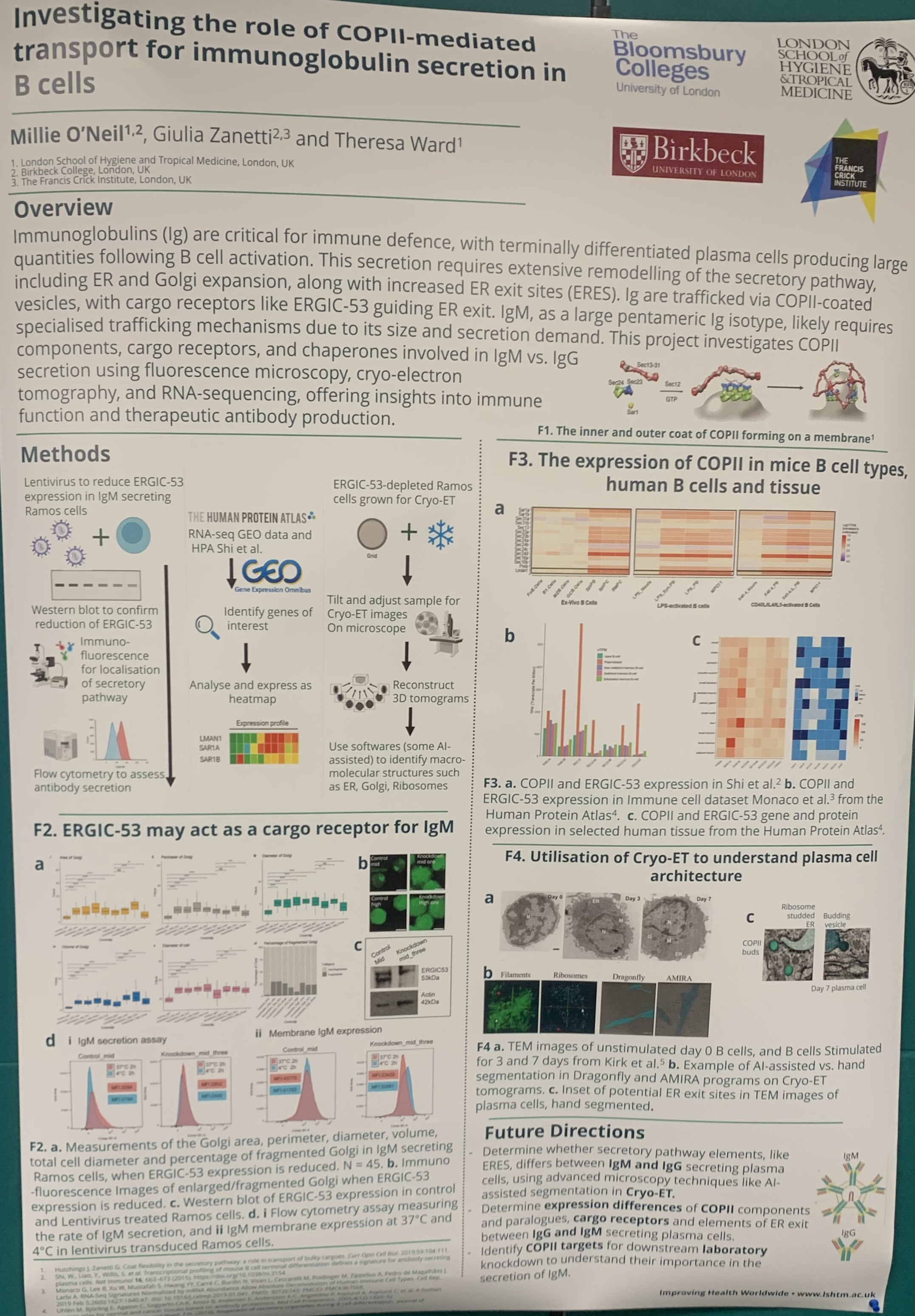
6. Check out conferences, courses and workshops you can attend to help with your degree
We know that scientific communication is crucial throughout your entire PhD journey, particularly when you have opportunities to share your work at conferences, courses, and workshops. Before you begin your PhD, it is worth taking time to identify the conferences you may want to attend in the coming years, so you can plan how best to present your research. It is also valuable to keep an eye out for courses and workshops that can help you develop both hard and soft skills.
Planning in advance ensures you won’t miss out on excellent opportunities. I would recommend regularly checking for upcoming events, signing up for newsletters in your research area, and staying connected with relevant academic networks. This will help you stay informed about the best opportunities to learn, build your network, and showcase your PhD research—ultimately strengthening your career prospects.
7. Read previous theses
Every thesis from LSHTM is either published online or available as a physical copy that you can request from the library. You can access these at any point during your PhD, as many times as you wish. Focusing on theses in your field, or even those written by students supervised by your own supervisor, can give you valuable insights into how a thesis is structured and the kinds of work your supervisor has previously supported. Reviewing past theses can provide a springboard for understanding the depth and breadth of writing required, while also giving you a more realistic perspective on what you will ultimately produce at the end of your PhD.
8. Plan your research
If you applied for a PhD project, you probably had to present a research plan during the application or interview process. However, before starting at LSHTM, I wish I had created a more detailed plan with my supervisor. This would have helped us hit the ground running with the research.
Of course, it’s completely understandable if you’re new to the field or still developing certain skills. At that stage, it makes sense to follow your supervisor’s advice closely. But planning your research doesn’t always mean having the full project mapped out. It could simply mean deciding which areas of literature you’ll begin reading first, or which techniques and practices you’ll start learning. This kind of planning can spark open conversations with your supervisor about how the first few months of your PhD will take shape.
Inevitably, your PhD will evolve. Your methodology may shift, your timeline may change, and as you discover gaps in the literature, your focus will sharpen. That’s normal. The key is to keep your plan flexible. Revisit, edit, and adapt it often. Having even a simple plan helps you anticipate what’s ahead and feel prepared for the journey.
9. Start a Word document called thesis
In the first couple of weeks at LSHTM, start a Word document titled "thesis”. It seems crazy, I know. Your thesis will adapt and change throughout the years. For me, I write all the random pieces of information in notebooks, which I can look back through and reuse, but digital is better! You never know when that one sentence you heard in a seminar might be helpful to you, or a random thought you had on the tube into LSHTM. It doesn't have to be structured, but it can act as a springboard for future thoughts. As you go through your PhD, you'll start developing a proper thesis. Which, as the best I can give you, start writing early, it always takes longer than you think, and what you write in the first month might not even be included in the final product, but it gets you into the mindset of thesis writing before it's too late!
10. Get good at LinkedIn
You might not think it matters, but speaking to hiring managers, people in industry, and watching it happen in academia, engaging on LinkedIn makes a massive difference for exposure to the academic environment, as a source of information, and as a way to connect and network with fellow PhD students, professors, and career opportunities. There are plenty of easy tutorials online to figure out how it works, but I have had discussions with multiple people in the industry, and they all comment that prospective hiring managers will check your LinkedIn to see whether you are active and to review the experience you have. So get to it!
11. Embrace change and be adaptable
Your PhD will change. As you progress, you’ll find that new methods emerge, certain research areas become more or less interesting, and fresh information comes to light. All of this will shape the narrative of your thesis and, in turn, determine the path your PhD takes. It won’t always be what you expect, but it’s important to stay adaptable with both the process and the timeline, and to make choices that serve your best interests for what you want your PhD to be.
12. Take every positive
In many areas of research, whether in the lab or on a computer, things will go wrong. It’s really hard not to take it personally each time. My advice would be to focus on the positives and be proud when that one technique you’ve been struggling with for a month finally works! Celebrate the small achievements. They make the PhD feel less like a constant uphill climb. It’s also important to reflect on how far you’ve come, and how hard you’ve worked (and will continue to work) during your time at LSHTM.
Academia has conditioned us to chase top grades and perfection. Previous experiences have taught us to aim for the A*, the highest mark, the flawless result. But a thesis isn’t like that. It isn’t graded in the same way; it’s what you make of it. Your goal is to make it the best it can be, and that is an achievement to be proud of.
Finally...
I hope you find these tips helpful! Please know that you are not alone, LSHTM is there to help and look after yourself in your studies. If you have any questions, please contact me at [email protected], or add me on LinkedIn!
~All the best, Millie 😊
- Discover the research degrees at LSHTM.
- More from Millie: Thriving with dyslexia thanks to LSHTM's support online
- You may be interested in: PhD application guidance from a doctoral researcher.