
This project is part of the Global Health EDCTP3 Joint Undertaking supported by the European Union.
The primary aim of the MAMS4CL study’s is to provide evidence to inform revisions to the treatment guidelines for Cutaneous Leishmaniasis in Ethiopia and the region by assessing the efficacy, cost-effectiveness, acceptability and pharmacokinetic profile of four different treatment regimens, compared to the current standard treatment.
The MAMS4CL consortium consists of a group of experienced researchers with wide-ranging skills: epidemiology, clinical medicine, pharmacology, social sciences and anthropology, clinical trials, health economics, public health, laboratory sciences and diagnostics. Every researcher brings their experience working with cutaneous leishmaniasis to enrich this research.
The study sponsor is the Institute of Tropical Medicine, Antwerp, Belgium. Collaborating centers in Ethiopia, South Africa and Europe are listed on the Who we are page.
- Armauer Hansen Research Institute (AHRI), Addis Ababa, Ethiopia
The Armauer Hansen Research Institute (AHRI) is a national public health research institution operating under the Ministry of Health of Ethiopia. AHRI is dedicated to advancing scientific knowledge and translating evidence into improved health outcomes.
The Institute conducts multidisciplinary research on communicable and non-communicable diseases, vaccines and diagnostics, traditional and modern medicine, and pharmaceutical development, with particular emphasis on emerging and re-emerging health threats.
AHRI plays a pivotal role in bridging research and practice. Its Clinical Trial and Bioequivalence Directorate support product development and regulatory science, while the Knowledge Management Directorate facilitates the translation of research evidence into policy and implementation.
A core component of AHRI’s mandate is capacity strengthening. The Institute contributes to building a critical mass of biomedical researchers through training, skills development, and technology transfer, thereby strengthening Ethiopia’s national research system.
AHRI maintains strong collaborations with national and international academic institutions, research organizations, and public health partners. It also hosts scientific conferences, regional meetings, and international training programs that promote collaboration and knowledge exchange.
AHRI is honoured to co-host the 66th Colloquium themed "Health in Motion: Infectious Diseases on the Move," in Addis Ababa, Ethiopia, in partnership with the Institute of Tropical Medicine (ITM) in November 2026.
AHRI has been involved in multiple cutaneous leishmaniasis research, more recently through large project such as Skin Health Africa Research and LeishAccess.
In MAMS4CL, AHRI will provide the scientific leadership ensuring the effective and appropriate scientific oversight of the project and trial co-ordination in Ethiopia.
The researchers
Dr. Endalamaw Gadisa/ Country-PI
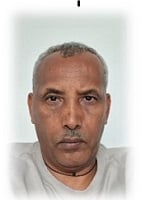
Dr Gadisa is a graduate in applied biology (BSc) and Applied Genetics (MSc) from Addis Ababa University and obtained doctorate degree in Microbiology and parasitology from Complutense University of Madrid. He received specialized trainings in molecular epidemiology, immunology/vaccinology, clinical trial and biosafety and biosecurity. He has also mentored peer to peer training and attended courses in health policy and Getting Research into Policy and Practice (GRIPP). His works are focused in NTD and malaria. He has worked as member of the national technical working group for leishmaniasis and malaria.
Simon Genet Woldesenbet / Project coordinator Ethiopia
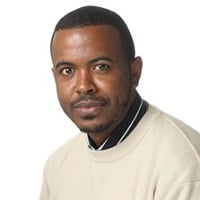
Simon is a clinical trials and public health professional based in Addis Ababa, Ethiopia. He currently works as a Clinical Trial Project Coordinator at AHRI. He holds an MSc in Clinical and Translational Research from University College Dublin and an MSc in Public Health from Royal Tropical Institute, Amsterdam. His work focuses on clinical trials, infectious diseases, and implementation research, with a strong interest in improving health outcomes through evidence-based practice. He is the MAMS4CL project co-ordinator in Ethiopia.
Email: [email protected]; Mobile phone No.: +251917500948
Eshetu Molla/ Lab coordinator
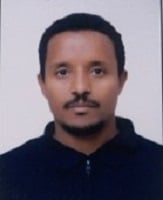
Eshetu Molla is an Associate Researcher at the Armauer Hansen Research Institute (AHRI) within the Division of Malaria and Neglected Tropical Diseases. He completed his PhD in Infection Biology at Addis Ababa University. His research focuses on the molecular and immuno-epidemiology and clinical diagnostics of leishmaniasis and malaria. At AHRI, Eshetu coordinates and implements critical laboratory work for multi-site clinical trials and cohort studies. Within the MAMS4CL project, Eshetu serves as the Laboratory Coordinator.
Email: [email protected]
Dagmawi Hailu Yemane/ Clinical coordinator
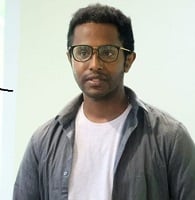
Dagmawi is a Health Researcher at AHRI and a medical professional specializing in public health and infectious disease research.
Dagmawi earned their Doctor of Medicine (MD) from Addis Ababa University in 2020, followed by a Master of Public Health (MPH) from the University of Tromsø – The Arctic University of Norway in 2023, focusing on epidemiology, biostatistics, and global health.
As a researcher for the Skin Health Africa Research Program (SHARP), Dagmawi collaborated with LSHTM to develop diagnostic training materials and lead community prevalence surveys on skin NTDs.
Currently, Dagmawi coordinates the VivAction feasibility study across 12 health facilities. He is the MAMS4CL Clinical Coordinator in Ethiopia.
Email: [email protected]
Teklu Cherkose/ Social science coordinator
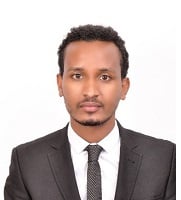
Teklu is a social science researcher at AHRI, where his work focuses on integrating patient and community voices into the design and implementation of health interventions. He has collaborated with international research teams on projects addressing malaria and leishmaniasis. Teklu holds Bachelor’s and Master’s degrees in Sociology from Addis Ababa University and is pursuing a PhD in the same field. He is the Social Science research coordinator for MAMS4CL and other projects in AHRI.
Email: [email protected] ; Mobile phone No.: +251913050832
Yohannes Hailemichael/ Health economics coordinator
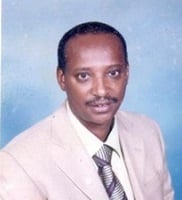
Yohannes Hailemichael (PhD, MPH) is a senior health researcher at AHRI. His research area focuses on economic evaluation of the burden of diseases, children vaccination,
neglected tropical skin diseases, and mental health economics.
Yohannes has been involved in CL projects in SHARP, in particular the economic assessment work.
Email: [email protected]
Mekonnen Teferi/ Pharmacologist
Fikregabrail Aberra Kassa/ Data coordinator
MAMS4CL Data coordinator, Armauer Hansen Research Institute (AHRI), Ethiopia
- Arba Minch University, Arba Minch, Ethiopia
Arba Minch University is based in South-West Ethiopia. The University was initially founded as the Arba Minch Water Technology Institute (AWTI) and it was officially inaugurated as a full-fledged university in June 2004 and started offering both undergraduate and graduate programs in the following institutes, colleges and schools:
- Arba Minch Institute of Water Technology
- Arba Minch Institute of Technology
- College of Agriculture
- College of Business and Economics
- College of Natural Sciences
- College of Medicine and Health Sciences
- College of Social Sciences and Humanities
- School of Behavioral and Pedagogical Sciences
- School of Law
Arba Minch University is currently working as one of National Research Universities
Researchers
Dr. Tamiru Shibiru Degaga/ Site coordinator
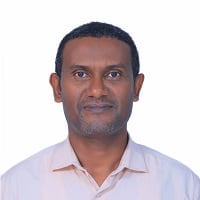
Tamiru is an Associate Professor of Internal Medicine at Arba Minch University (AMU), a clinician, researcher, and academician with extensive experience in infectious diseases and clinical research. He was a research physician in a Drugs for Neglected Diseases initiative-led clinical trial on visceral leishmaniasis between 2012 and 2015, contributing to evidence generation in neglected tropical diseases.
Since 2016, have been the Country Principal Investigator for malaria clinical trials sponsored by the Menzies School of Health Research in Darwin, Australia, with a focus on radical cure strategies for Plasmodium vivax. To date, he has led five clinical trials, with three published in peer-reviewed journals, and continue to contribute to advancing malaria elimination efforts.
He is actively engaged in collaborative research on leishmaniasis with the Institute of Tropical Medicine in Antwerp, Belgium. His work integrates clinical practice, research leadership, and academic mentorship, with a strong commitment to improving health outcomes in resource-limited settings.
Email: [email protected]/[email protected]
Dr. Fekadu Massebo/ Site coordinator
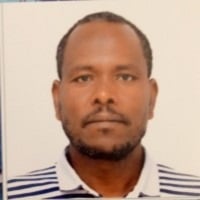
Fekadu Massebo is an Associate Professor of Public Health Entomology at Arba Minch University. He has extensive experience in malaria and vector-borne disease research, with a focus on disease transmission dynamics, vector ecology, and community-based intervention strategies to improve public health in Ethiopia. Fekadu has conducted studies on sand fly feeding behaviour and reservoir hosts in areas endemic for cutaneous leishmaniasis. He is also involved in community-based treatment initiatives, using cryotherapy and miltefosine to improve access to care in affected communities.
In malaria research, he led a cluster-randomised controlled trial evaluating prevention strategies, including house screening and ivermectin treatment of domestic animals. He has also conducted clinical and field trials assessing the efficacy of antimalarial drugs and transmission-blocking interventions. In addition to his research, Fekadu leads international collaborations and academic capacity-building projects. He is the principal lead of a ten-year research and capacity-development initiative under the Norwegian Programme for Capacity Development in Higher Education and Research for Development (NORHED) (2017–2027). He also serves as site coordinator for the MAMS4CL project.
Emai: [email protected]
- Institute of Tropical Medicine, Antwerp, Belgium (Sponsor and co-ordinating center)
The Institute of Tropical Medicine (ITM) in Antwerp, Belgium, is a leading center dedicated to advancing global health through innovative research, high-quality education, clinical services, and strong partnerships across Africa, Asia, and Latin America. Within ITM, the Unit of Neglected Tropical Diseases (NTD) plays a central role in addressing some of the world’s most overlooked infectious diseases, with a strong focus on leishmaniasis. While the unit has extensively contributed to tackling visceral leishmaniasis (VL) in East Africa, it is also increasingly prioritizing cutaneous leishmaniasis (CL). Through strong collaborations with endemic countries and multidisciplinary partnerships within the institution, the NTD unit contributes to the broader ITM Leishmania Centre, one of the largest multidisciplinary expert groups on Leishmania research, bringing together expertise across patient, pathogen, vector, and population levels to advance research, diagnostics, treatment, and control strategies worldwide.
For MAMS4CL, ITM will act as the sponsor for the trial and provide Clinical Trials Unit support, as well as leading the Capacity Building work package.
Clinical Sciences Department, Unit of Neglected Tropical Diseases
Prof. Johan van Griensven/ Coordinating investigator
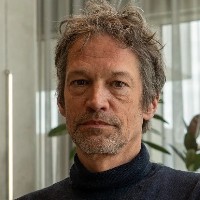
Johan van Griensven is an Internal Medicine specialist with a PhD Medical Sciences: “Gene therapy of AIDS: Gene transfer of Antiretroviral Genes into Hematopoietic Stem Cells Using HIV-Derived Vectors” and a Masters in Epidemiology for LSHTM. He joined ITM in 2008 to launch clinical research on neglected tropical diseases and their interaction with HIV. Since 2015, he has headed the Unit of Neglected Tropical Diseases at ITM, and in 2021 I was appointed Head of the Department of Clinical Sciences.
His main field of interest is visceral leishmaniasis (VL) and HIV co-infection. He has conducted clinical trials and nested laboratory studies in Ethiopia, most of them embedded in a longstanding scientific capacity-building collaboration. This partnership currently involves the University of Gondar, the Armauer Hansen Research Institute (Addis Abeba), and the Ethiopian Public Health Institute (EPHI). He also maintain close collaborations with DNDi and MSF.
Cutaneous leishmaniasis is an emerging focus of his research, aiming to develop less invasive diagnostics and optimize treatment regimens, with a strong emphasis on decentralization and patient-centred care delivered as close as possible to affected communities.
https://www.itg.be/en/contact/johan-van-griensven
Email: [email protected]
Dr. Saskia van Henten/ Co-investigator
I am a clinical researcher with vast experience in field research on neglected tropical diseases. I did my PhD on diagnosis and treatment of cutaneous leishmaniasis in Ethiopia.
Bart Smekens/ Co-investigator
I am a Research Fellow in the Neglected Tropical Diseases (NTD) Unit at the Institute of Tropical Medicine (ITM), currently working primarily on the MAMS4CL project. After starting my career as a clinical trial monitor in the pharmaceutical industry, I joined ITM's Clinical Trial Unit (https://www.itg.be/en/research/research-unit/clinical-trial-centre ) to set-up and manage academic clinical trials in Bangladesh, Cambodia, Ethiopia, Senegal, and Belgium. I later coordinated ITM’s Clinical Trial Site (https://www.itg.be/en/clinics/clinical-trial-site ) before moving into my current role in the NTD unit (https://www.itg.be/en/research/research-themes/neglected-tropical-diseases).
Clinical Sciences Department, Clinical Trials Unit (CTU)
Dr. Yven Van Herrewege/ Head of the CTU
Els Genbrugge/ Statistician
I am a biostatistician at the Institute of Tropical Medicine Antwerp (ITM). I hold a MSc in Biomedical Sciences (University of Antwerp, Belgium) and obtained an advanced MSc in Statistical Data Analysis (MASTAT) at the University of Ghent (Belgium). I joined the clinical trials unit (CTU) in 2021, after which I was involved in several trails as the lead clinical trial statistician. I am currently one of the trial statisticians of the MAMS4CL trial.
Dr. Bart K.M. Jacobs/ Statistician
I am a biostatistician at the Institute of Tropical Medicine Antwerp (ITM), currently working as a clinical trials statistician in addition to teaching, providing support, and applied research in biostatistics, data-analysis, clinical decision making and tuberculosis diagnostics. I have a background in mathematics (Ba, University of Antwerp), statistics (master, Katholieke Universiteit Leuven) and statistical data-analysis (PhD, Ghent University). I am one of the trial statisticians of the MAMS4CL trial, which is one of several trials for which I provide statistical support.
Katrien Clinckx/ Clinical Trials Scientist
I am a Clinical Trials Scientist at the Institute of Tropical Medicine (ITM). Originally trained as a veterinarian, I began my career in veterinary practice before transitioning to clinical research. Over the past 20 years, I have built experience in clinical operations across the pharmaceutical and biotechnology sectors, holding roles as Clinical Research Associate (monitor), Study Leader, and Department Head. Since joining ITM's Clinical Trials Unit (CTU) (https://www.itg.be/en/research/research-unit/clinical-trial-centre) in 2025, I have been involved in establishing and managing clinical trials across Africa and in Belgium for different infectious diseases. In addition, I am a trainer for the European Centre for Clinical Research Training, delivering courses on clinical trial operations.
Christophe Burm/ Data manager
I am a Data Manager at the Clinical Trials Unit of the Institute of Tropical Medicine, Antwerp. Over the past 11 years, I have contributed to clinical research on Ebola, malaria, leishmaniasis, schistosomiasis, rabies, COVID-19, mpox, HIV, and sexually transmitted infections.
Hanne Landuyt/ Data reviewer
I am a Clinical Data Manager at the Institute of Tropical Medicine (ITM), currently working on the MAMS4CL project. I have been working at ITM’s Clinical Trials Unit (https://www.itg.be/en/research/research-unit/clinical-trial-centre ) for almost 10 years as a Data Manager with a focus on Data Review and Clinical Coding. In this time, I have worked on studies in Belgium, Ethiopia, Democratic Republic of Congo, Comoros and Bangladesh. With subject ranging from Leishmania to Rabies, COVID-19, Tuberculosis and Leprosy.
- London School of Hygiene and Tropical Medicine (LSHTM), London, United Kingdom
The London School of Hygiene & Tropical Medicine (LSHTM), founded in 1899, is one of the world’s leading public health universities. Our mission is to improve health and health equity in the UK and worldwide, working in partnership to achieve excellence in public and global health research, education and translation of knowledge into policy and practice. We are committed to helping create a more healthy, sustainable and equitable world for everyone, because we believe our shared future depends on our shared health.
Our staff are conducting research in more than 100 countries. Working in partnership is central to achieving our mission. Our diverse research talents, skills and experience range from the molecular to the global, the theoretical to the applied, the analytical to the political. Our experts go beyond pathogens and pathology to understand how the structures of societies affect health and wellbeing, and how people in different situations and circumstances respond.
We perform strongly in various global university league tables. In the Shanghai Ranking’s Global Ranking of Academic Subjects 2025 we placed 3rd in public health (1st in the UK). In the 2025 CWTS Leiden Ranking, LSHTM was ranked 1st in the UK for the proportion of academic research with women listed as authors and 1st in the UK for the proportion of our research which includes international collaboration.
LSHTM has a strong track record in leishmaniasis research from bench to bedside. The high-quality clinical research in cutaneous leishmaniasis conducted in Ethiopia through collaborative partnerships of the Skin Health Africa Research Programme (SHARP) is a strong foundation of MAMS4CL.
The researchers
Prof. Stephen Walker/ Co-investigator
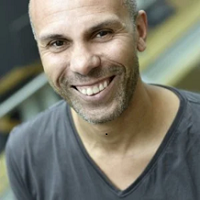
Steve is a dermatologist and clinical researcher in LSHTM’s Clinical Research Department. He was the lead investigator for the Skin Health Africa Research Programme (SHARP). For MAMS4CL he brings his extensive experience of managing cutaneous leishmaniasis to the trial steering committee focusing on the design, conduct and analysis of the trial.
https://www.lshtm.ac.uk/aboutus/people/walker.steve
Prof. Michael Marks/ Co-investigator
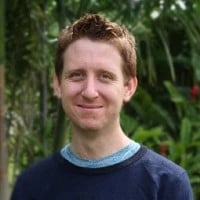
Michael is an infectious diseases clinician, epidemiologist and triallist in LSHTM’s Clinical Research Department. He was a co-lead investigator for the Skin Health Africa Research Programme (SHARP). For MAMS4CL he is a member of the trial steering committee focusing on the design, conduct and analysis of the trial.
https://www.lshtm.ac.uk/aboutus/people/marks.michael
Catherine Pitt/ Co-investigator (Health economics)
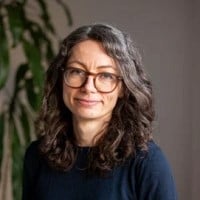
She was a co-lead investigator for the Skin Health Africa Research Programme (SHARP).
https://www.lshtm.ac.uk/aboutus/people/pitt.catherine
Saba Maria Lambert/ Co-investigator
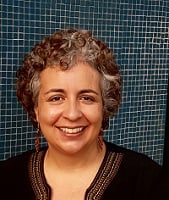
Saba is a clinician and an LSHTM clinical researcher based in Ethiopia. She a has clinical trial experience in leprosy and was a co-lead investigator of the Skin Health Africa Research Programme (SHARP) which looked in depth at cutaneous leishmaniasis and other skin NTDs in Ethiopia and Ghana). For MAMS4CL Saba brings her extensive experience of clinical trials and other NTD research in Ethiopia to inform design and conduct of the research.
https://www.lshtm.ac.uk/aboutus/people/lambert.saba-maria
Jennifer Palmer / Co-investigator (Social science)
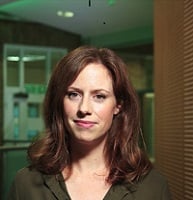
Jennifer is an anthropologist in LSHTM’s Department of Global Health and Development whose work focuses on NTDs, outbreaks and humanitarian crises. She was a co-lead investigator for the Skin Health Africa Research Programme (SHARP). For MAMS4CL, she is leading the sub-study on participant experiences of the trial and individual treatment arms, with a particular focus on engagement of women and girls.
Fred King / Project Manager
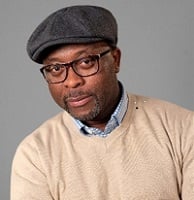
Fred King is the Project Manager for MAMS4CL at LSHTM. With an MBA in Finance and a CIMA Diploma in Management Accounting, he brings robust financial and strategic expertise to managing complex research portfolios. His responsibilities include overseeing multi‑stream budgets, preparing budgets and reforecasts, advising Principal Investigators on resource allocation, and producing high‑quality financial reports.
- Stellenbosch University
The Division of Clinical Pharmacology is part of the Department of Medicine at the Stellenbosch University Faculty of Medicine and Health Sciences. Our clinical service is strongly embedded in service delivery to Tygerberg Hospital and its referral hospitals. Our research program is aligned with our service delivery aimed at addressing pertinent clinical questions in collaboration with a wide range of clinical disciplines across all age ranges. We have a multidisciplinary team able to study bedside therapeutic problems at the laboratory bench for implementation at the bedside. We have expertise in clinical pharmacology, medical toxicology, analytical method development across various biologic matrixes, and pharmacokinetic data analysis including population pharmacokinetics. We have extensive expertise in clinical trial conduct, and we also provide a wide range support for collaborative clinical trials.
The Division integrates expertise across 4 core areas: (1) Clinical Pharmacology, (2) Medical Toxicology, (3) Analytical Pharmacology and (4) Pharmacometrics.
Professor Eric Decloedt, MBChB, BSc Hons (Pharmacology), MMed (Clinical Pharmacology), PhD, FCCP (SA)
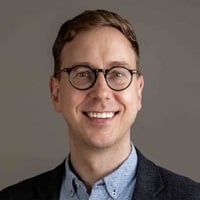
Professor Eric Decloedt is Head of the Division of Clinical Pharmacology at Stellenbosch University. His work focuses on clinical pharmacology, pharmacokinetics, and optimisation of pharmacotherapy in clinical settings, with a particular emphasis on public sector healthcare and infectious diseases. He supports clinical trials through the application of pharmacokinetic and pharmacodynamic (PK/PD) principles to improve therapeutic outcomes and is involved in academic leadership and training in clinical pharmacology.
Eric is a co-investigator on the Pharmacology Work Package in the multi-arm, multi-stage clinical trial for cutaneous leishmaniasis (MAMS4CL).
Email: [email protected]
Professor Tracy Kellermann, PhD
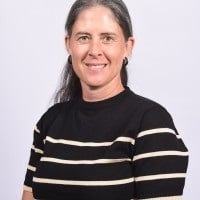
Professor Tracy Kellermann is an Associate Professor and Clinical Pharmacology Lab Director at Stellenbosch University. She specialises in analytical pharmacology, bioanalysis, and pharmacokinetics, with extensive experience in supporting clinical trials through validated LC-MS/MS methods and drug metabolism studies. She leads the Clinical Pharmacology Laboratory, providing pharmacokinetic analysis for local and international clinical trials.
Cutaneous Leishmaniasis (CL) Relevance:
Tracy is a co-investigator on the Pharmacology Work Package in MAMS4CL, responsible for pharmacokinetic analysis.
Email: [email protected]
- Uppsala University, Uppsala, Sweden
The main objective of this work package is to integrate a pharmacokinetic-pharmacodynamic study, including pharmacokinetic sampling, bioanalysis and pharmacokinetic-pharmacodynamic modelling alongside both stages of our MAMS study (WP5). This data will be used to inform drug selection within the trial and potential dose optimization and treatment duration adaptation of therapeutics for CL in Ethiopia for the treatment of L. aethiopica. This pharmacokinetic study will inform what level of drug exposure in the plasma and skin of patients is achieved on the current dosing regimens and aims to identify how drug exposure is related to clinical and patient outcomes, in terms of parasite biomarkers, clinical lesion development and clinical cure. The developed pharmacokinetic and pharmacodynamic models will be used to further optimize dose regimens and treatment durations, if this is required following insufficient selection of treatment arms into Phase 3.
Stellenbosch will undertake the analytical work for this component with the pharmacokinetic modelling led by UU.
Prof. Thomas Dorlo/ Pharmacology coordinator
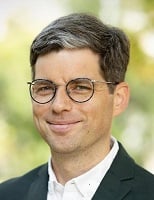
I am Associate Professor at the Faculty of Pharmacy and my research focuses on optimizing therapies for poverty-related and neglected tropical diseases, such as leishmaniasis, malaria, and mycetoma, through pharmacometric modelling and simulation (PK/PD & PBPK) - with a particular emphasis on children and pregnant women.
I am author of more than 100 peer-reviewed publications, mainly on clinical pharmacology, global health and tropical medicine. Currently I am the chair of the PAGE scientific organizing committee.
I am working on a project, the OPTIMILEISH study, based in Ethiopia, to enable advanced capacity for clinical trials of a new dosing regimen for the treatment of children affected by CL, in particular miltefosine. This research is a collaboration with researchers from Addis Ababa (ET), Antwerp (BE) and Amsterdam (NL).
https://www.uu.se/en/contact-and-organisation/staff?query=N14-1587
email: [email protected]
Dr. Wendy Chu/ Co-investigator

I am a postdoctoral researcher in the Tropical Pharmacology and Therapeutics Group at the Department of Pharmacy, Uppsala University. My research focuses on applying pharmacometric modelling to optimize treatment strategies for poverty-related and neglected tropical diseases.
I will contribute to the pharmacokinetic/pharmacodynamic (PK/PD) components of the MAMS4CL trial.
Contact email: [email protected]
- Wollo University, Dessie, Ethiopia
Wollo University (WU) is a public applied sciences university serving more than 20,000 students across its campuses in Dessie and Kombolcha, northeastern Ethiopia.
WU has designated Health Sciences, Technology, and Social Sciences and Arts as its centers of excellence. The University is committed to producing competent graduates, conducting impactful applied research, and engaging with communities to address local, national, and global challenges.
The University's Tita Campus hosts comprehensive health sciences faculties, including Medicine, Public Health, Nursing and Midwifery, Biomedical Sciences, Pharmacy, and Medical Laboratory Sciences. These faculties provide strong clinical, epidemiological, and laboratory expertise that support healthcare delivery, disease surveillance, diagnostics, and operational research.
WU also hosts several specialized research centers, including the Infectious Diseases and Neglected Tropical Diseases Research Institute, Tehuledere Health Research Institute, and the Ethiopian One Health Center. These are complemented by multidisciplinary research units focusing on Artificial Intelligence, Energy, Industrial and Manufacturing Systems, Abay–Awash Basin Studies, and Social Sciences, enabling integrated approaches to public health, environmental sustainability, data-driven surveillance, and policy development.
Recognizing the importance of evidence-based solutions, Wollo University is dedicated to generating scientific knowledge, implementing locally relevant research and innovation projects, promoting sustainable development, and strengthening collaborations with national and international partners in research, innovation, and capacity building.
Further information is available at https://wu.edu.et/
Dr. Seid Getahun Abdela / Site coordinator
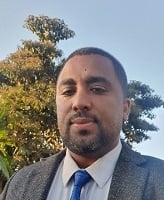
I trained as a medical doctor at the University of Gondar and completed my Internal Medicine Speciality training there in 2017. Currently I am working as an Associate Professor of Medicine at Wollo University, Ethiopia. I work as clinician, educator and researcher. Infectious diseases and cardiology are my general areas of interest with a special interest towards tropical diseases and heart failure. I have led and co-authored several peer-reviewed publications, with a focus on skin NTDs (leprosy and cutaneous leishmaniasis) and COVID 19.
Email: [email protected]
Background and rationale
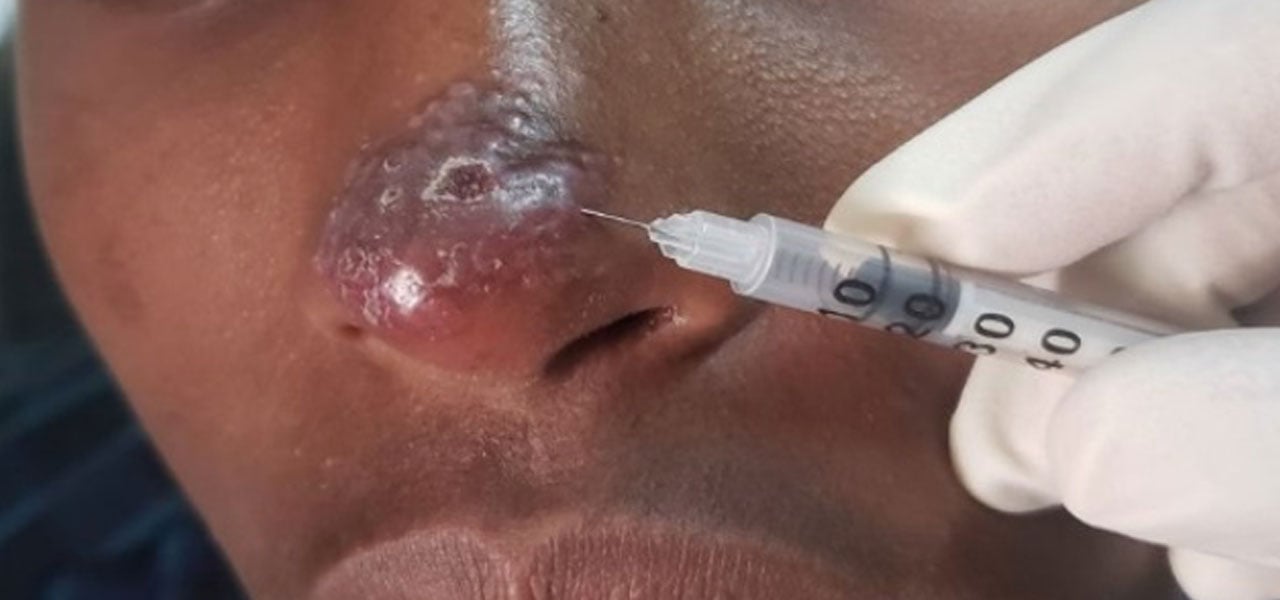
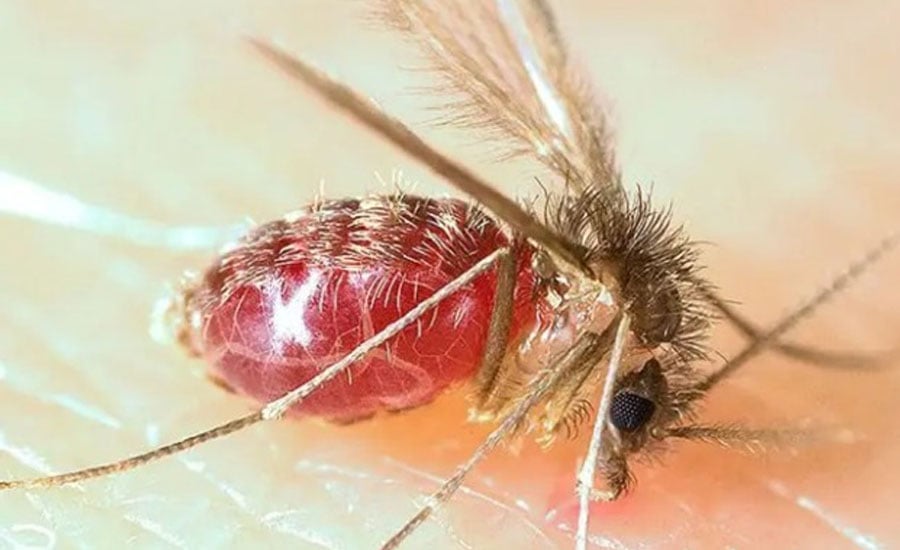
Cutaneous leishmaniasis (CL) is a neglected tropical disease transmitted by sand flies and remains a major public health problem in East Africa, particularly in Ethiopia where Leishmania aethiopica predominates.
Access to diagnosis and treatment is limited, and fewer than 10% of affected individuals receive care. Disease caused by L. aethiopica is often more severe and slow to heal, leading to permanent scarring, functional impairment, and reduced quality of life.
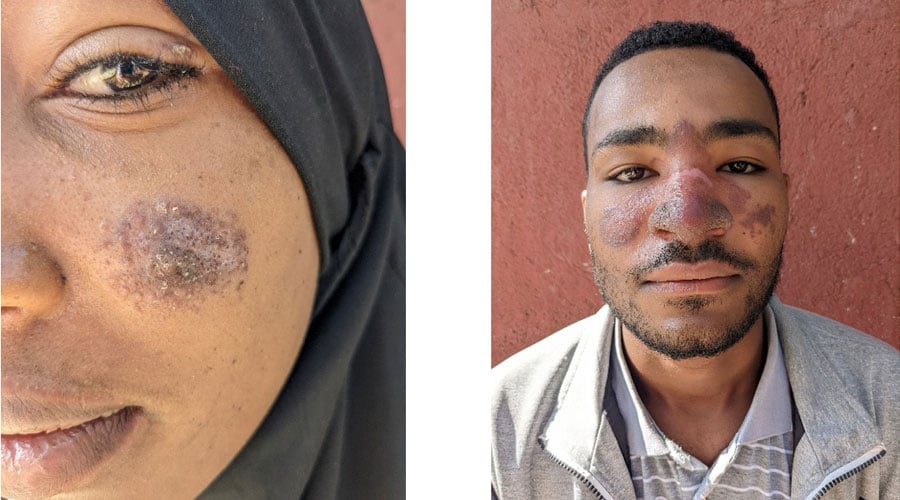
Recent and ongoing studies conducted by the study team have demonstrated that CL in Ethiopia is frequently severe, with the majority of patients requiring systemic treatment. Sodium stibogluconate is commonly used as the backbone of therapy, often in combination with other agents, despite the absence of robust evidence to support these practices. This variability in routine care highlights a critical need to strengthen the evidence base guiding treatment selection for CL in East Africa.
This study is designed to address this gap through a multi-arm multi-stage (MAMS) randomized trial platform that will enable the simultaneous evaluation of multiple novel therapeutic strategies for CL. The MAMS design allows for interim analysis to inform early stopping of ineffective regimens while prioritizing the most promising treatments, thereby improving efficiency, conserving resources, and accelerating generation of clinically relevant results.
The trial incorporates embedded pharmacokinetic–pharmacodynamic studies to optimize dosing and identify predictors of response, alongside economic evaluations and qualitative research to assess acceptability and feasibility at scale. Together, these components will generate comprehensive evidence to inform policy, support guideline updates, and facilitate the adoption of effective, safe, and implementable treatments for CL in Ethiopia, delivered by an experienced African–European research consortium.
Aims
By the end of the MAMS4CL project, we aim:
- To provide evidence to inform revisions to CL treatment guidelines in Ethiopia, internationally for East Africa and more broadly, by assessing the efficacy, economic cost, acceptability and pharmacokinetic profile of four different treatment regimens, compared to the current standardly used treatment, and
- To have established the leading CL treatment trial network in Africa, providing a platform for further studies of emerging therapeutic agents in the region.
Primary objective
To determine whether each of the investigational arms has superior efficacy to the control arm, in terms of achieving cure of all lesions at Day 90.
Study arms
- Control arm: Sodium Stibogluconate - intramuscular injection
- Arm 1: Miltefosine monotherapy – oral
- Arm 2: Miltefosine + paromomycin combination treatment - oral and intramuscular injection
- Arm 3: Liposomal amphotericin B monotherapy - intravenous injection
- Arm 4: Pentamidine isethionate monotherapy - intravenous injection
Methods
The major component of the design is a MAMS trial design. We will conduct a 2-stage Multi-Arm Multi-Stage clinical trial with an early stopping rule for futility (non-binding). For each of the investigational arms the proportion of cure at Day 90 will be compared against the control arm.
In stage 1 there will be 5-arms (4 active + 1 control) with the number of arms included in Stage 2 depending on the results of Stage 1.
Individuals will be followed to Day 90 to assess the primary outcome (cure) and through to Day 180 for secondary outcomes. A subset of participants will be invited to participate in sub-studies focused on pharmacokinetics, health economics and patient experiences.
Sample size
- Stage 1: N = 380 - Stratified randomization by site of 76 patients per arm.
- Stage 2: N = 208 to 520 - 104 patients in the control arm plus an additional 104 patients randomized over the retained arms in stage 2.
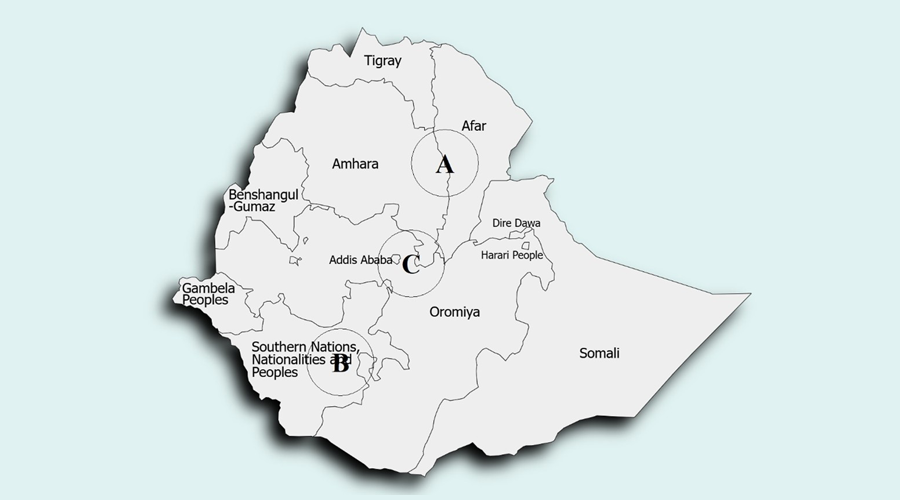
This study will be implemented in three hospitals where dermatologists regularly treat patients with cutaneous leishmaniasis:
- Boru Meda General Hospital in Amhara Region (A)
- Arba Minch General Hospital in South Ethiopia Region (B)
- ALERT Comprehensive Specialized Hospital in Addis Abeba (C)
These sites were selected because of their expertise in treating CL, larger number of patients, capacity to implement clinical trial procedures and past successful collaborations.
- Boru Meda Hospital
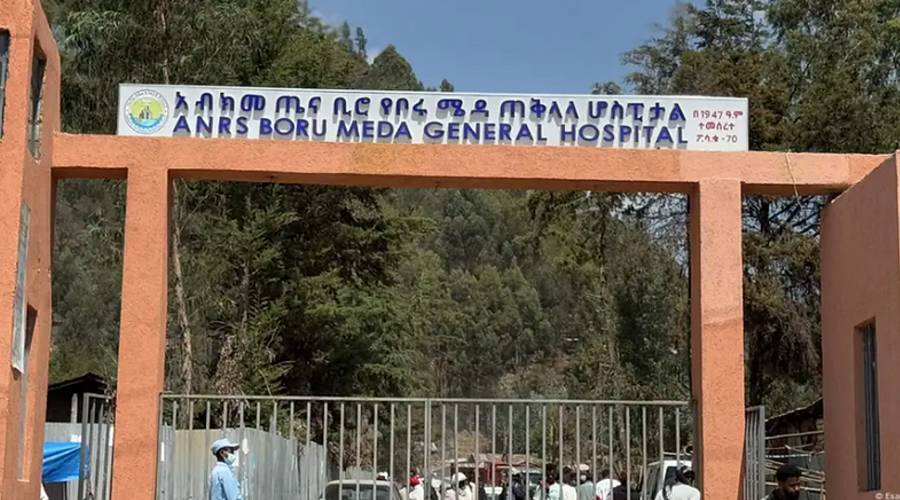
Boru Meda Hospital, located 10km from the town of Dessie, serves as a general hospital with specialized services in dermatology and ophthalmology. It has a dedicated dermatology clinic with a high caseload of leprosy and CL, with a significant proportion of people living in Amhara Region receiving their leprosy or CL treatment at Boru Meda Hospital. It has a dermatology ward with 40 beds. ITM, LSHTM, and AHRI have a history of involvement in important studies on skin diseases at Boru Meda Hospital and continue to work together at present. The hospital has a caseload of approximately 20 CL patients requiring systemic treatment per month.
Dr. Wosen Ketema/ Site Principal Investigator at Boru Meda
Dr. Wosen Ketema (MD) is a dermatologist at Boru Meda Hospital-Dermatology Referral Center, Dessei, Ethiopia. Dr. Wosen specializes in research focusing on skin neglected tropical disease at the center as a principal investigator, study physician and clinical trial coordinator.
Email: [email protected]
- Arba Minch
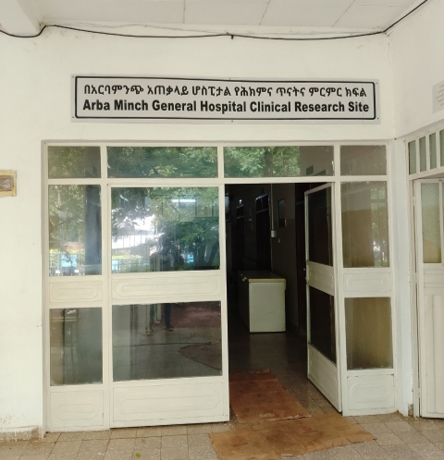
Arba Minch is a town of Gamo Zone and South Ethiopia Regional State, located in the lowlands bordering the mountains where CL occurs. The dermatovenereology department at Arba Minch General Hospital is the most experienced facility in southern Ethiopia for treatment of CL and has extensively collaborated with ITM and AHRI on skin diseases. Most patients seen at this site have an advanced disease. A substantial proportion of CL patients are children. Since Arba Minch General Hospital is a referral centre, most patients are referred from peripheral health facilities and district hospitals. On average, about 4-6 patients with CL are treated at the hospital per month.
Dr Mehret Techane / Site Principal Site Principal Investigator at Arba Minch
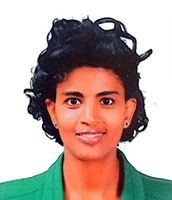
Dr. Mehret Techane Woge is a dermatologist, researcher, and former Head of the Dermatovenereology Department at Arba Minch University. She is currently a PhD student at the University of Antwerp, with research focused on improving access and treatment efficacy for cutaneous leishmaniasis (CL) in Ethiopia.
Her work centers on decentralized and community-based CL care, implementation research, and the broader burden of skin neglected tropical diseases (skin NTDs) in underserved populations. She has served as Principal Investigator, Site Principal Investigator, and Co-Investigator in multiple clinical and operational research projects related to CL and skin NTDs in Ethiopia, collaborating with national and international institutions.
Dr. Mehret has presented her research at several international scientific conferences and meetings in Europe and Africa. In recognition of her research and academic contributions, she received the Best Researcher Award from the Ethiopian Women's Medical Association in 2025. Her current PhD work aims to generate practical evidence to strengthen equitable and effective CL and skin NTD care in endemic communities.
Email: [email protected]
- ALERT Comprehensive Specialized Hospital
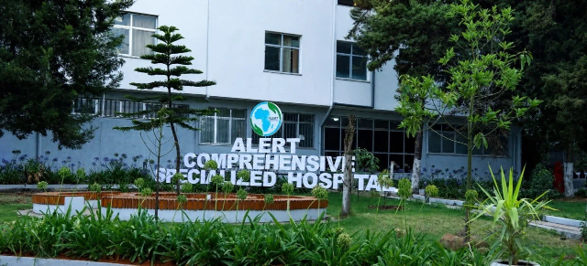
Alert Comprehensive Specialized Hospital is a specialized dermatology referral centre, established in 1934 and recently reorganized as a general hospital. Operating for over 5 decades, it is renowned as a dermatology referral and training centre, collaborating with Addis Ababa University for the training of dermatologists. CL is one of the main diseases treated in Alert’s inpatient wards. There is a separate CL ward with 20 beds, and additionally, the male and paediatric/female dermatology ward often treat a substantial proportion of CL patients. On average, there are over 40 CL cases on treatment across the different wards at any time. Patients are usually self-referred or referred after treatment failure somewhere else and thus usually require systemic treatment.
Dr. Shimelis Nigusse Doni/ Site Principal Investigator at ALERT
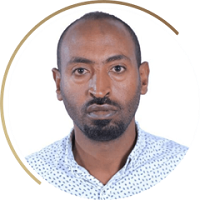
Dr Shimelis Nigusse Doni is a senior consultant Dermatovenereologist currently working as a clinician and researcher at ALERT Comprehensive Specialized Hospital. He has been in numerous clinical trials in skin neglected tropical disease, especially leprosy and CL. He was the site clinical PI on the SHARP CL cohort study.
Email: [email protected]
The following resources provide further information on our previous work on cutaneous leishmaniasis in Ethiopia:
Previous publications on cutaneous leishmanianis in Ethiopia from members of our group:
- Treatment
- Clinical and patient-reported outcomes of cutaneous leishmaniasis treatment in Ethiopia: A prospective, observational cohort study in two referral hospitals, British Journal of Dermatology, 2026;, ljag061, https://doi.org/10.1093/bjd/ljag061
- Publications on treatment of CL in Ethiopia: https://pubmed.ncbi.nlm.nih.gov/?term=dorlo+ethiopia&sort=pubdate
- Social science
- Understanding experiences of neglected tropical diseases of the skin: a mixed-methods study to inform intervention development in Ethiopia. BMJ Global Health, 2025, https://gh.bmj.com/content/10/2/e016650
- “It left me burnt”: traditional treatment and stigma experiences of cutaneous leishmaniasis in Kalu district, Ethiopia. PLoS NTDs, 2026, https://doi.org/10.1371/journal.pntd.0013537
- Traditional medicine practices for Cutaneous Leishmaniasis in Kalu District, South Wollo, Ethiopia. Trop Med Health. 2025, doi: 10.1186/s41182-025-00804-7
- Economics
- The role of economic factors in the household burden of neglected tropical diseases of the skin: Qualitative findings from Ghana and Ethiopia. Soc Sci & Med, 2024, 356: 117094, https://doi.org/10.1016/j.socscimed.2024.117094
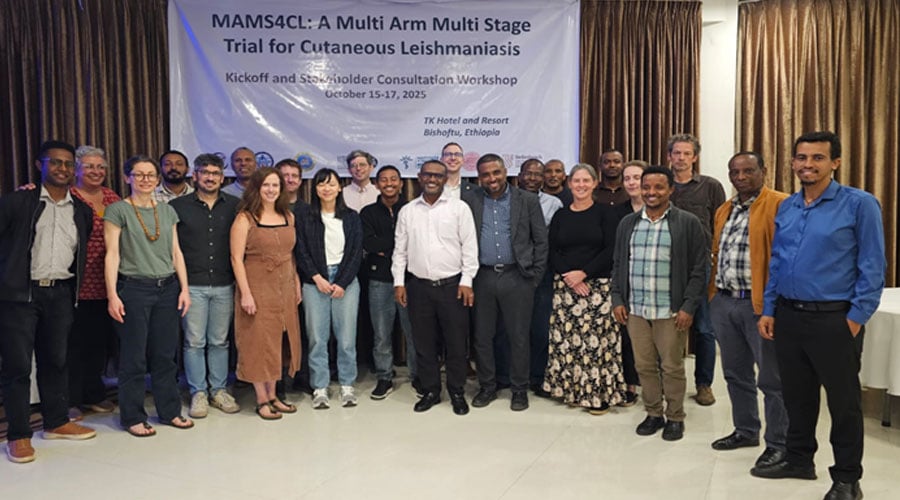
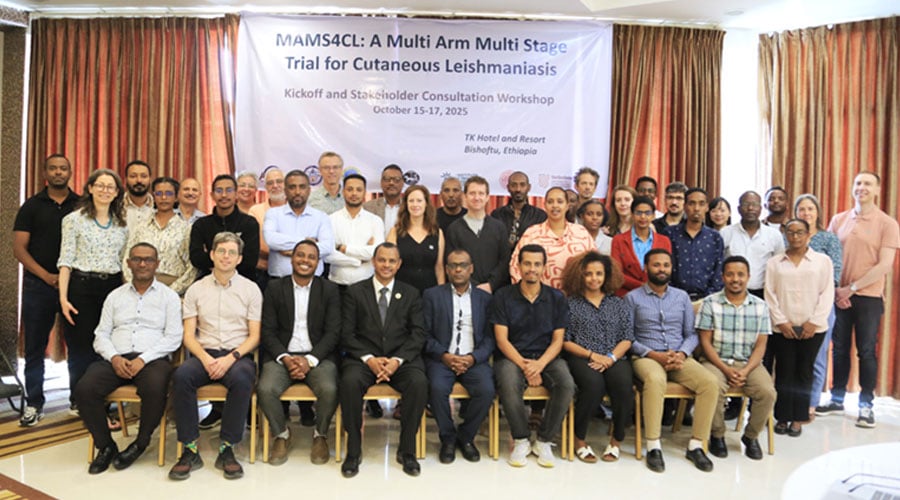
The MAMS4CL team held highly productive meetings in Bishoftu, Ethiopia on 15-17 October 2025. Members from all collaborating centers were present. The meeting was opened by Professor Afework Kassu Gizaw, Director General of the Armauer Hansen Research Institute (AHRI) in Ethiopia, Dr Sagni Chali (Head of AHRI’s Malaria and NTDs Department) and Mr Tesfahun Bishaw (Leishmaniasis Control Program Focal Person at the Federal Ministry of Health of Ethiopia).
Presentations were given on all aspects of the research project and plans agreed for how to take the research forwards. External stakeholders and international experts participated in both meetings and provided valuable guidance and heated debates to ensure the clinical trial and associated research will produces positive change for individuals and communities affected by cutaneous leishmaniasis.
Read more about the workshop.