Insights from the inaugural EMBO workshop
23 July 2026 London School of Hygiene & Tropical Medicine London School of Hygiene & Tropical Medicine https://lshtm.ac.uk/themes/custom/lshtm/images/lshtm-logo-black.png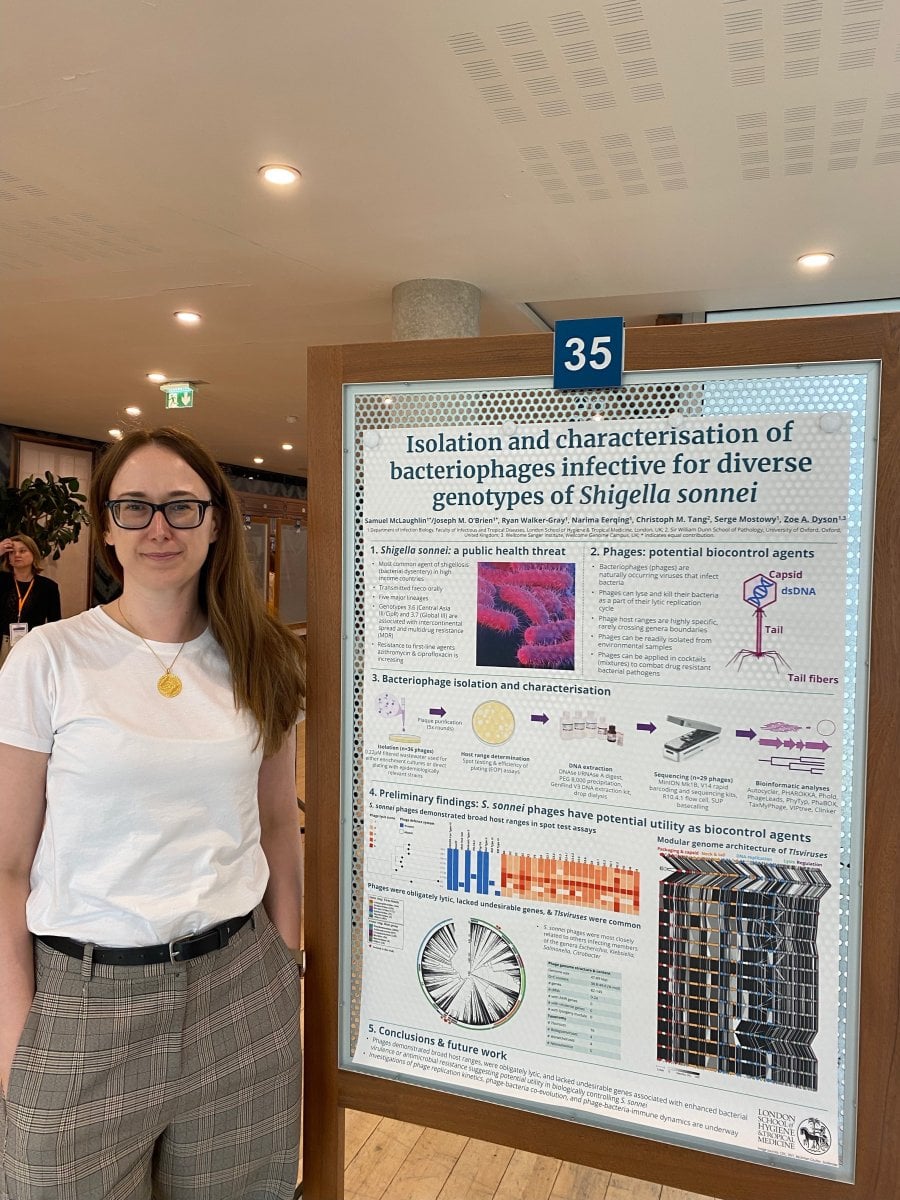
Researchers, clinicians, public health experts and industry partners from across the world gathered in Paris last April for the inaugural EMBO Workshop Shigella: From Biology to Prevention. Held at the Institut Pasteur, the meeting brought together the global Shigella research community to discuss progress towards preventing, treating and controlling shigellosis, including drug-resistant infections.
Shigella spp. are human-adapted lineages of Escherichia coli that cause shigellosis, a severe diarrhoeal disease that disproportionately affects children under five in low- and middle-income countries. The bacteria are spread via the faeco-oral route, and growing antimicrobial resistance (AMR) has made their control increasingly challenging. Shigella are classified as high-priority pathogens by the World Health Organisation (WHO), with resistance to fluoroquinolone antibiotics already widespread.
The scientific programme covered the breadth of research taking place across the global Shigella community, including disease burden, molecular epidemiology, genomic surveillance of AMR, bacterial pathogenesis, infection models, cellular microbiology, host-pathogen immune dynamics and vaccine development.
Assistant Professor Zoe A. Dyson, who was supported by the AMR Centre to attend, presented research from her team on bacteriophages, or phages, that infect Shigella. Phages are naturally occurring viruses that infect and kill bacteria as part of their natural replication cycle.
Sam McLaughlin, a current LIDO PhD student, and Joseph O’Brien, a recent MSc Control of Infectious Diseases graduate, isolated 36 phages from wastewater samples. By combining laboratory assays with bioinformatic analysis of Oxford Nanopore Technologies whole genome sequencing data generated at LSHTM, the researchers demonstrated that their phages can infect a diverse range of Shigella sonnei genotypes.
Their findings suggest that these phages could contribute to future approaches to biologically controlling drug-resistant Shigella spp. The team’s recent work, published in Microbiology Resource Announcements, describes the genome sequence of an obligately lytic phage infective for Shigella sonnei, and identified no genes associated with lysogeny, antimicrobial resistance or bacterial virulence
As one of the first dedicated international meetings focused entirely on Shigella, the workshop highlighted both the significant advances being made in the field and the challenges that remain. By bringing researchers together to share knowledge, develop collaborations and discuss emerging research, meetings such as this play an important role in advancing the vaccines, therapeutics and public health strategies needed to reduce the global burden of shigellosis.
If you enjoyed this article and would like to build a career in global health, we offer a range of MSc programmes covering health and data, infectious and tropical diseases, population health, and public health and policy.
Available on campus or online, including flexible study that works around your work and home life, be part of a global community at the UK's no.1 public health university.