Expert comment: What could new food technologies mean for the UK?
13 March 2026 London School of Hygiene & Tropical Medicine London School of Hygiene & Tropical Medicine https://lshtm.ac.uk/themes/custom/lshtm/images/lshtm-logo-black.png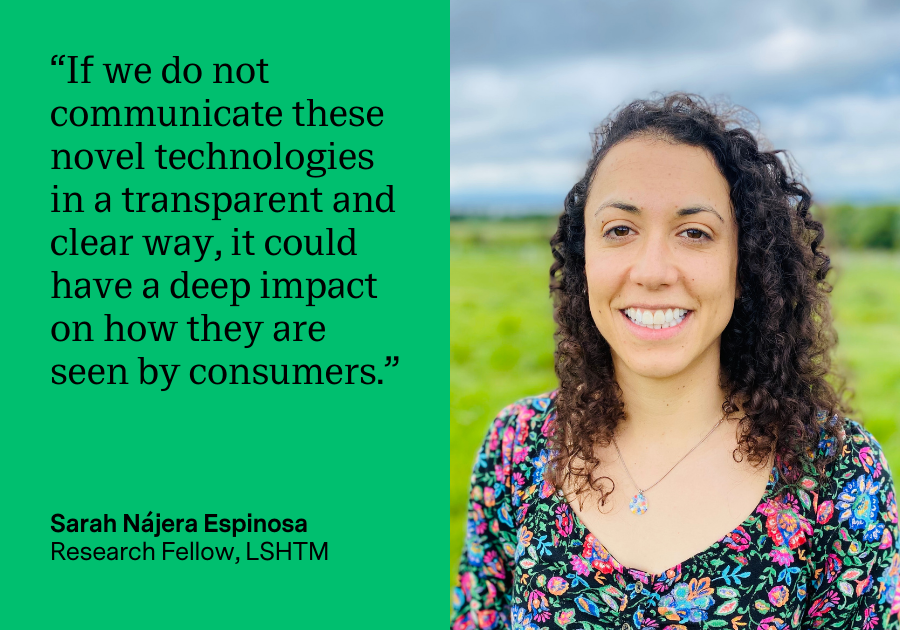
A new report released by the Food Standards Agency (FSA) and Food Standards Scotland (FSS) has identified the innovative food technologies most likely to reach the UK public within the next 15 years.
The Thematic Report on Emerging Food Innovations report highlights which technologies may have the greatest impact on the UK’s food system and which are at an earlier stage in development, and explains the need for clear food safety and regulatory guidelines.
Some of the technologies assessed as having the greatest potential impact on the UK food system include:
- Controlled environmental agriculture or vertical farming – where crops are grown in climate-controlled indoor spaces and closely monitored
- Precision fermentation – where microorganisms such as bacteria, fungi or yeasts are used to produce protein-rich ingredients
- Edible insects, algae and seaweed – which can be sold as whole products or used as ingredients
- Gas fermentation – using microbes to convert captured carbon dioxide, hydrogen or other industrial gases into proteins and other useful ingredients
Other technologies are at an earlier, conceptual stage of development according to the report, including food 3D printing, which could involve the building of foods like chocolate by layering edible ingredients produced by a printer.
The FSA and FSS say the report provides the clearest picture to date on how cutting-edge food production systems are evolving and sets out the importance of preparing new regulations soon to enable companies to plan long-term research and keep pace with innovation.
Dr Sarah Nájera Espinosa, Research Fellow in food systems and health at the London School of Hygiene & Tropical Medicine (LSHTM) said: “There are so many novel technologies that could help transform our food systems but as with everything, we need to carefully research and understand what the benefits and potential trade-offs are before we include these foods more widely in the UK.
“It’s really encouraging that the UK is taking proactive steps to establish food safety guidance before any of these technologies take off. These new technologies could not only help reduce some of the health and environmental pressures we face, but could also create new jobs and strengthen our food resilience by bringing more production back home.
“From my own research, I believe that precision and biomass fermentation, processes already used in our food supply like for rennet for cheese production and mycoprotein in Quorn products, may be one of the most promising new technologies for delivering better nutrition and lowering environmental impacts.
“There is a lot we can learn from the mistakes made when GM foods were first introduced, particularly around how they were communicated to the public. Many of these novel food technologies involve really complex processes and they can be difficult to explain in an easily accessible way. This is particularly relevant when we consider the current spotlight on ultra-processed foods, where people have understandably become deeply wary of what they are consuming.
“If we do not communicate these novel technologies in a transparent and clear way, it could have a deep impact on how they are seen by consumers and overshadow their potential benefits. It will be crucial to clearly explain to consumers how they work, their potential health implications, and any trade-offs, and it’s great that organisations like the UK Food Standards Agency and Food Standards Scotland are preparing for this ahead of time.”
If you enjoyed this article and would like to build a career in global health, we offer a range of MSc programmes covering health and data, infectious and tropical diseases, population health, and public health and policy.
Available on campus or online, including flexible study that works around your work and home life, be part of a global community at the UK's no.1 public health university.