From harmful norms to protective roles – the LINEA Project’s lessons on masculinities and change
18 August 2025 London School of Hygiene & Tropical Medicine London School of Hygiene & Tropical Medicine https://lshtm.ac.uk/themes/custom/lshtm/images/lshtm-logo-black.png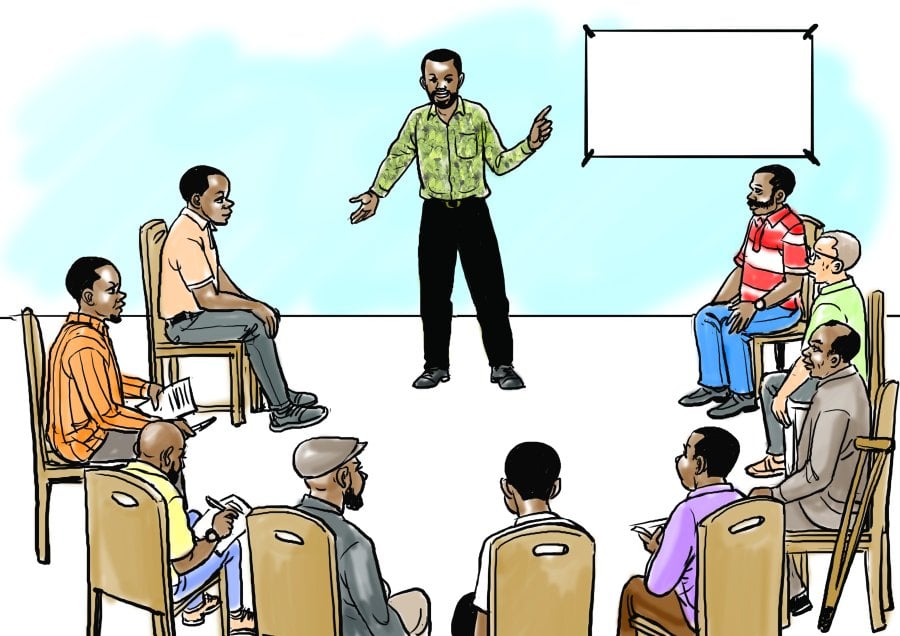
Global estimates indicate that one in three women experience physical or sexual violence in their lifetime, with adolescent girls facing distinct forms of exploitation and abuse. Where does the LINEA project sit within the broader field of violence prevention, and how does it contribute to addressing the specific vulnerabilities of adolescent girls?
Dr Ana Maria Buller, Co-Director of the MARCH Centre at the London School of Hygiene & Tropical Medicine (LSHTM) and Principal Investigator of the LINEA Project:
The LINEA (Learning Initiative on Norms, Exploitation and Abuse) project sits at the intersection of violence prevention, gender norm transformation, and adolescent well-being. It contributes to the broader field of violence prevention by focusing specifically on the social norms that underpin age-disparate transactional sex, which occurs when an adult coerces, manipulates or deceives someone aged 18 years or younger into sex in exchange for material benefits, such as gifts or money, or non-material benefits, for example affection. This project focuses particularly on adolescent girls – a group whose specific vulnerabilities have historically been overlooked in both research and prevention and support programmes.
While global violence prevention efforts often centre on intimate partner violence or child abuse more broadly, LINEA addresses the more hidden and nuanced forms of gender-based violence that adolescent girls face, such as transactional sex and coerced relationships shaped by unequal power dynamics and normative expectations around gender and sexuality. These practices are deeply embedded in community norms and structural gender inequalities, making them difficult to challenge without sustained and targeted interventions.
By centring adolescent girls and investing in long-term normative and structural change, LINEA helps fill a critical gap in the violence prevention landscape—ensuring that interventions are not only age-appropriate but also socially and culturally relevant.
Can you share some key insights from LINEA’s findings so far - especially around the social and gender norms that sustain age-disparate transactional sex?
Marjorie Pichon, Research Fellow in the Gender Violence & Health Centre at LSHTM and researcher on the LINEA Project:
Age-disparate transactional sex relationships are driven by many different factors at the individual, social and structural levels, however, LINEA focuses on the social norms driving the sexual exploitation of children and adolescents as they have been under researched and neglected in programming efforts.
LINEA formative research began with a global systematic review published in 2020 that identified six social norms driving the sexual exploitation of children and adolescents worldwide. We found that material items allow young people to gain status among their peers, and young people are also often expected to contribute financially to their families, however, sexual relationships are sometimes the only means through which they can acquire these resources. Moreover, community members often expect young people to be sexually active, and to exchange sex for favours. At the same time, sexually exploited young people are often stigmatised by their communities, while perpetrators are socially tolerated. Additionally, we found that children and adolescents with intersecting, marginalised identities (e.g. based on ethnicity, social class, disability, sexual orientation, etc.) are more vulnerable to sexual exploitation.
Building on the results from this systematic review, we conducted interviews and focus group discussions with adolescents and adults in Brazil, Tanzania and Uganda to better understand why individuals engage in transactional sex, the extent to which these relationships are seen as exploitative, and the norms underpinning them, revealing some important nuances. While those working in the child protection space tend to view adolescent girls who partake in age-disparate transactional sex as complete ‘victims’ of sexual exploitation, our research suggests the need to move beyond an oversimplified victim-perpetrator view. While it is important to acknowledge the exploitative nature of these relationships – especially in resource constrained settings – adolescent girls and young women may also exercise varying degrees of agency in choosing to engage in transactional sex relationships, while still recognising the exploitative aspects.
This agency is not uniform. It can be shaped by many different factors such as the girl’s age, her partner’s age, her level of education, her family's socio-economic status, and the amount of financial and social support she received from family and friends, among others. Importantly, our work with men also revealed the social norms influencing their involvement. These include the expectation that men should display heightened sexuality and sexual prowess, and that they should provide economically in sexual relationships.
What approach does the LINEA Project use to drive transformative social change? How do these methods differ from other interventions - what are the strengths of this method, and what limitations have emerged in practice?
Dr Ana Maria Buller:
LINEA’s method is grounded in the idea that people’s actions are shaped by what they think others do and expect of them – what are called “social norms.” LINEA uses a unique and transformative approach that focuses on shifting harmful social norms, rather than simply changing individual behaviour and attitudes.
For example, in some communities, transactional sex may be seen as normal or even desirable. LINEA addresses these deeply held norms by working not only with girls and men engaging in the practice but the whole community – young people, parents, teachers, and leaders. Through education, discussions, and by harnessing the power of storytelling through edutainment in the form of a radio drama co-created with local partners, we aim to spark reflection and conversation, helping communities to question and eventually change the beliefs and expectations that support harmful practices.
This approach differs from many other interventions that might focus on just one group (like girls only) or that provide information but don’t engage with the community’s values, norms and dynamics. The strength of LINEA’s model lies in its ability to create community-wide dialogue not only on transactional sex but on gender norms more broadly, including prevalent versions of harmful masculinities, and promote collective change which is more likely to last over time.
However, this approach also faces challenges. Changing norms is complex and takes time – it may not deliver immediate results, and progress can vary across different communities. It also requires strong local partnerships and sensitivity to cultural context.
Despite these challenges, the LINEA Project offers a promising path toward meaningful, long-term change by addressing not just what people do, but why they do it – and working with communities to build safer, more equitable environments for girls.
Your recent publications present new findings on the pilot intervention. What were some of the most important takeaways, particularly regarding shifts in gender norms and perceptions of girls’ education or roles? How do these findings connect to broader debates around harmful masculinities and the potential of gender-transformative work with men and boys?
Marjorie Pichon:
The LINEA intervention includes a 39-episode radio drama and two educational curricula – one targeting girls and the other men. These were developed in Swahili with local partners Amani Girls Organization and Media for Development International in Tanzania. In 2021, we piloted the radio drama for the first time in rural communities in Shinyanga region. Partnering with local organisation the Tanganyika Christian Refugee Service, we gave the radio drama on flash drives to their beneficiaries. These households had already received solar powered radios through other programming and were therefore able to listen to the drama at their convenience.
Overall, our results were very promising. We found that after listening to the drama participants held more gender-equitable attitudes, especially girls and women. Girls also reported learning that accepting gifts from men could necessitate sexual reciprocation and thus were more motivated to refuse gifts and focus on their studies. Additionally, we found that the drama facilitated family conversations about transactional sex, providing caregivers the opportunity to support girls in avoiding these relationships.
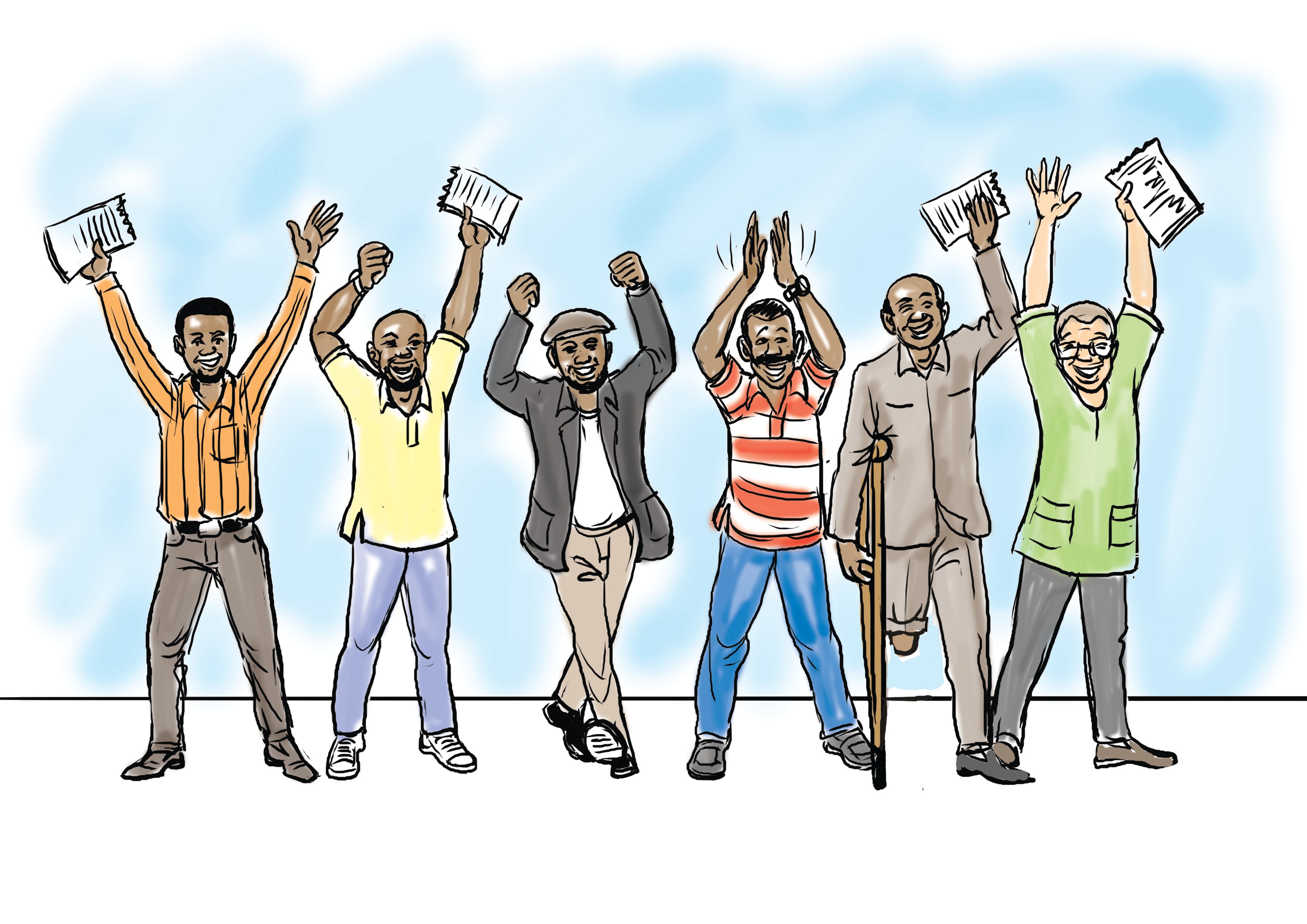
Our most recent publication focused specifically on findings from men. Interestingly, while men are often engaged as perpetrators, we worked with men as caregivers, emphasising their roles as fathers, grandfathers and brothers in protecting girls. The drama features several male role models, including a father character, and after listening, men reported feeling greater responsibility towards their daughters, and girls in their communities more generally, with several noting the importance of working with other men in the community to prevent age-disparate transactional sex. This is a really promising finding, as working with men, who are the ones with the most power in communities, is the only way to make sustainable, normative change in preventing sexual exploitation.
Globally, we are currently in an exciting but difficult period of transition. On one hand, masculinities are being questioned, re-imagined and expanded on, but there has also been an increase in actors such as Andrew Tate and online incel communities promoting traditional masculinities rooted in misogyny. As a result, young men are more vulnerable than ever, as has been depicted in recent TV like the Netflix show “Adolescence”. Programming like LINEA provides hope as it shows us that it is possible to work with men to promote positive masculinities and norms. A trial evaluating the full LINEA intervention is currently underway in Mwanza, and we expect to have findings to share by late 2026 / early 2027.
If you enjoyed this article and would like to build a career in global health, we offer a range of MSc programmes covering health and data, infectious and tropical diseases, population health, and public health and policy.
Available on campus or online, including flexible study that works around your work and home life, be part of a global community at the UK's no.1 public health university.