Leprosy, stigma and the fight for patient agency
Examination of the culture legacy of leprosy and its stigmatization in 20th century Brazil
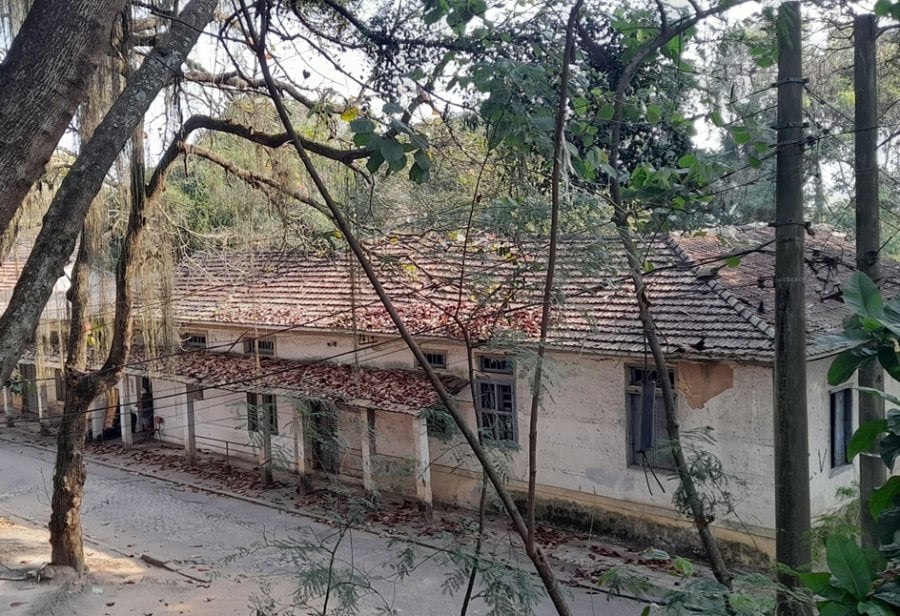
This presentation examines the cultural legacy of leprosy (Hansen’s disease) and its stigmatisation in the 19th century onwards, using 20th century Brazil as a case study. Its target audience is students and staff interested in leprosy, the racialisation of disease, the legacy of colonial biopolitics and patient activism.
In an 1886 essay, Henri Leloir bemoaned that the leprosy patient suffers their condition twice, first as mycobacterial infection, second as stigma. The French dermatologist was writing as imperial powers used the spectre of leprosy as a means of controlling colonised populations, reaching for a mythologised picture of another time, conjuring the medieval ‘victim’ as pure horror show, a manifestation of disorder and racialised primitivity, to better instil extractivist order.
The bacillus was introduced to Brazil by European colonisers at the end of the sixteenth century. Yet the country was oddly behind the curve in making segregation mandatory, waiting until 1923 to implement the mass-internment of patients, by which point those with leprosy in the hospitals in Asia, Africa and Europe, had been locked out of the wider world for four decades. This newly-minted segregation policy was not a case of following a scientific consensus that was later proved wrong, but a propaganda decision undertaken with the knowledge that it would largely affect the poorest and, because of their condition, least economically ‘useful’ Brazilians.
This talk will narrate this dark biopolitical history, in which patients remained trapped in the colony system until the 1980s, but also demonstrate how Brazil is at the vanguard of a remarkable social movement seeking to right the wrongs of the past. Patient activists have won a series of political and legal victories, including the end of forced segregation, compensation, and legal protection, and continue to battle for better access to medical care and housing within their own communities.
Speaker
Oliver Basciano
Journalist and Author
Oliver Basciano is a journalist based in São Paulo and London. Outcast: A History of Leprosy, Humanity and the Modern World is his first book, published by Faber in 2025 and Graywolf in the US in 2026. It won the RSL Giles St Aubyn Award, which recognises debut works of non-fiction. His writing has appeared in the Guardian, Financial Times, The White Review and Times Literary Supplement, and he has contributed to programming on BBC Radio 4.
Event notices
- Please note that you can join this event in person or you can join the session remotely
- Please note that this session will not be recorded
Admission
Contact