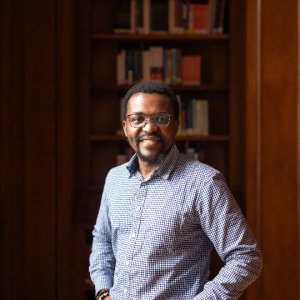
I am an epidemiologist and data scientist with extensive experience in epidemiology, infectious diseases, maternal and neonatal health, cardiovascular diseases, cancer, nutrition, and machine learning applied to large-scale health datasets. PhD in Epidemiology at the University of São Paulo (USP) with a visiting research fellow at the London School of Hygiene & Tropical Medicine (LSHTM) in the UK. I hold a Master’s degree in Epidemiology from the Federal University of Bahia (UFBA), a Bachelor’s degree in Nutrition from Lúrio University, and a Postgraduate Diploma in Public Health with a focus on Monitoring, Evaluation, and Strategic Information (UFBA). In addition, I have completed an MBA in Data Science and Analytics (USP), another MBA in Artificial Intelligence and Big Data at the Institute of Mathematics and Computer Science - USP, and an MBA in Project Management at USP. I am currently pursuing a BSc in Economics at the Catholic University of Brazil.
Currently, I work as a Researcher in Health Data Science at the School, contributing to a Wellcome Trust-funded project on predictive modelling for stillbirths and neonatal deaths across Sub-Saharan Africa. My role involves developing predictive models using classical statistical methods, machine learning algorithms, and AI techniques; managing and harmonising multi-country datasets (1 million birth records from more than 15 countries); and collaborating with ministries of health, international organisations, and academic institutions to generate evidence-based insights for global maternal and newborn health.
Before joining the school, I worked as a Data Scientist in a Technical Consultancy at PAHO/WHO (supporting Brazil’s Ministry of Health with COVID-19 surveillance and data analysis), as an epidemiologist and data scientist at the São Paulo State Health Department, and as a scientific curator and data analyst at Pacto Contra a Fome in Brazil. Earlier in my career, I worked as a Nutrition Program Manager at the Ministry of Health of Mozambique, leading district-level programmes and participating in national malnutrition assessments in collaboration with UNICEF and WFP.
I am also a member of several research networks, including LABDAPS-USP (Big Data and Predictive Analytics Laboratory in Health) and the Collaborative Scientific Network for COVID-19 generates evidence (Rede-Covida in Brazil).
My research interests combine public health, epidemiology, and quantitative methods, with an emphasis on: descriptive and inferential statistics, survival analysis, time series approaches, predictive modelling, machine learning, and health data science.
Affiliations
Teaching
Within the School (LSHTM): Contributed to teaching in the Statistical Methods in Epidemiology (SME) course, applying advanced epidemiological and statistical methods in lectures and practical sessions.
University of São Paulo (USP): Instructor of Epidemiological Data Analysis in R, leading practical sessions on data cleaning, visualisation, regression modelling, and reproducible workflows (R Markdown, Git).
USP Summer School: Co-instructor of Machine Learning in Health (with Professor Alexandre Chiavegatto), teaching the application of machine learning methods to large-scale health datasets using Python.
Research
My main interest lies in applying data science to health, combining big data, biostatistics, and machine learning to generate reproducible insights for policy and practice. My research covers maternal and child health (gestational weight gain, fetal growth, neonatal outcomes, perinatal mortality), cardiovascular risk factors (hypertension, diabetes, obesity, fetal programming), and infectious diseases (meningitis, influenza, COVID-19 surveillance and modelling). Methodologically, I specialize in advanced approaches including Machine Learning (predictive modelling, fairness, interpretability), Generalized Linear Models (GLM), Deep Learning, longitudinal modelling with SITAR, Generalized Estimating Equations (GEE), and causal inference.. I also work with large-scale health datasets, including Electronic Health Records (EHR) and population-based surveillance systems, to investigate health inequalities and social determinants.