World NTD Day Spotlight: Dr Shomik Maruf
28 January 2026 London School of Hygiene & Tropical Medicine London School of Hygiene & Tropical Medicine https://lshtm.ac.uk/themes/custom/lshtm/images/lshtm-logo-black.png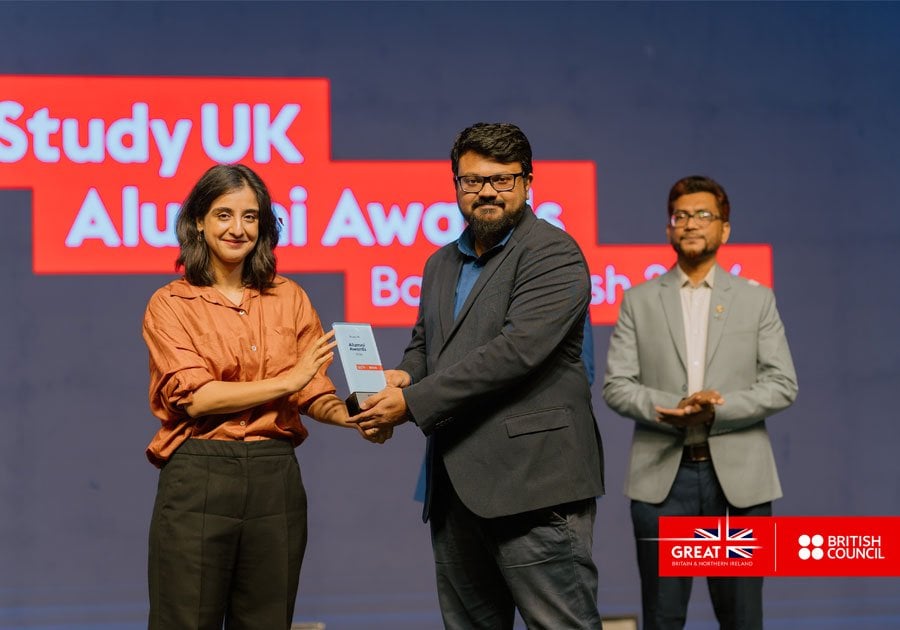
Could you briefly describe your current research and work?
I am a physician and public health researcher working in neglected tropical diseases (NTDs) in Bangladesh, with a particular focus on lymphatic filariasis (LF), visceral leishmaniasis, post-kala-azar dermal leishmaniasis (PKDL), and other skin-NTDs. My current work spans post-elimination surveillance, morbidity management and disability prevention, serological and molecular surveillance, and health-systems integration.
A key part of my role involves translating research evidence into national programmes, particularly through collaboration with Bangladesh’s disease elimination initiatives and the integration of surveillance data into routine health information systems. Alongside research, I am also involved in capacity building through training field staff, mentoring early-career researchers, and teaching public health students.
How has the MSc in Medical Parasitology shaped your career journey to date?
The MSc in Medical Parasitology at LSHTM was foundational in shaping how I think as a researcher. It strengthened my grounding in parasite biology while, more importantly, sharpening my ability to critically analyse disease transmission, diagnostics, and control strategies in real-world contexts. The programme trained me to ask better questions about evidence, feasibility, and equity, and to approach parasitic diseases not only as biological phenomena but as deeply social and systemic challenges. The analytical rigour, exposure to global perspectives, and mentorship I received at LSHTM continue to inform my research design, policy engagement, and teaching today.
Congratulations on winning the Study UK Alumni Award for Bangladesh! What does winning this award mean to you and for your work?
Winning the Study UK Alumni Award is both a personal honour and a recognition of the collective efforts of colleagues, mentors, and the communities that I work with. It affirms the value of investing in locally led research and implementation in endemic settings. For my work, the award provides visibility and credibility that help amplify advocacy for sustained NTD surveillance, post-elimination care, and innovation in programme delivery. It also reinforces my responsibility to mentor others and to contribute meaningfully to public health leadership in Bangladesh.
With World NTD Day approaching, how has being an LSHTM alum influenced your role in advancing NTD elimination in Bangladesh and globally?
Being an LSHTM alum has connected me to a global network of researchers, practitioners, and policymakers working toward NTD elimination. This perspective has helped me align national work in Bangladesh with global frameworks and evidence, while also ensuring that local realities inform international discussions. It has encouraged me to engage critically with elimination narratives, emphasising sustainability, surveillance, and the voices of affected communities long after targets are met.
As we mark World NTD Day, I believe the future of elimination depends on long-term commitment beyond validation milestones, centred on equity, dignity, and health-system resilience. My journey, shaped by LSHTM, reinforces that meaningful impact lies at the intersection of science, policy, and people.