Alumni Spotlight: Grace Spence Green - A new narrative on disability
23 September 2025 London School of Hygiene & Tropical Medicine London School of Hygiene & Tropical Medicine https://lshtm.ac.uk/themes/custom/lshtm/images/lshtm-logo-black.png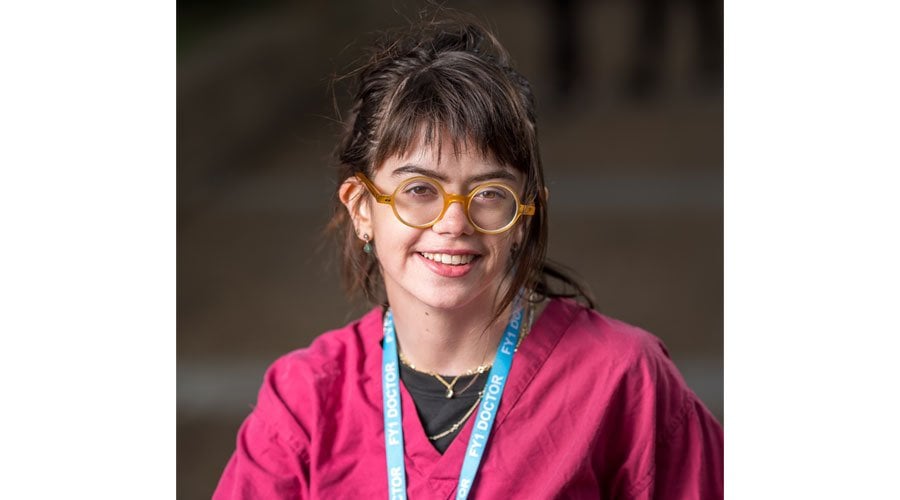
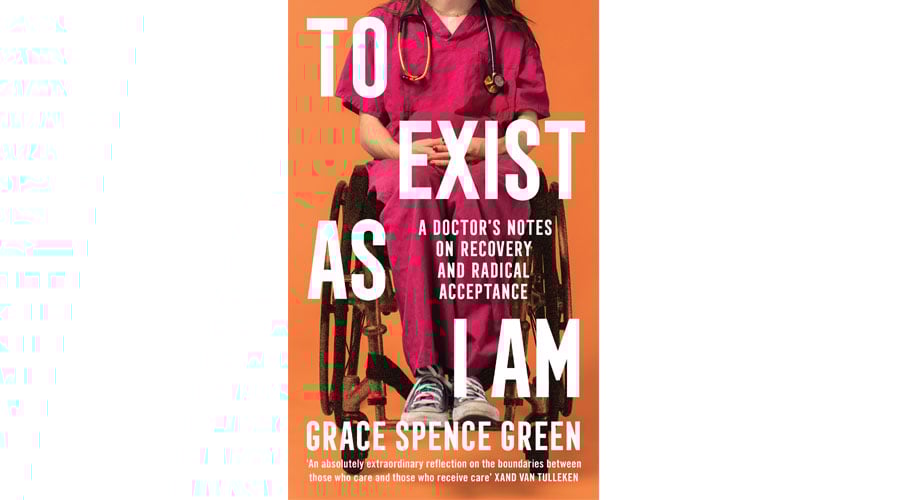
Congratulations on your book, ‘To Exist As I Am’.
What can you tell us about it?
I wanted to write something about disability that wasn’t so individual, that wasn’t so steeped in tragedy or overcoming, that spoke on the power of community, of advocacy, of recovery. It’s based on the diaries I wrote when I sustained a spinal cord injury and was suddenly thrust into a new life on the other side of the bed, navigating the world as a disabled woman and now doctor, but I wanted it to be much more than just my personal story. I wanted it to be something that anyone could get value from.
You’re an incredibly busy individual, both in your day job as a clinician, and as a disabled activist. What prompted you to put pen to paper?
I began a diary in hospital to anchor myself to the strange new reality of suddenly waking up as a patient, faced with an uncertain future. I wrote most days for the next few years, and it grew into a book as I began to recover, as I felt like I had something important to say, something I was searching for when I was newly injured.
I felt I had a complete lack of control over my dialogue when I was first injured, with the sudden appearance of media articles detailing what had happened to me, as well as strangers making assumptions about me, and this book has been a way to take back control of that. It’s been so powerful and just such a relief to have got it all down on paper, I think I needed to do this to move on. Writing has been integral to my recovery.
Aside from writing this book, what forms does your disability activism take?
Due to the sensational nature of my injury, I have been given a platform which I have learnt I can use in my favour, to talk about things that matter to me: ableism, stigma, inaccessible healthcare. Since my injury I have realised how important good disabled representation is, so I try to be as visible as possible. In a society that depicts disabled people as having a lesser quality of life, I think joy and living a full life can be a form of activism!
How can friends, family and colleagues be better allies to people with disabilities?
I really value when people advocate for me when I am unable to, calling out inaccessible infrastructure when you see it, all the while respecting my own autonomy. I appreciate when others around me question what is presented to them in the media, question language used to dehumanise disabled people and share in the burden of complaining about lack of access and mistreatment.
“I try to be as visible as possible. In a society that depicts disabled people as having a lesser quality of life, I think joy and living a full life can be a form of activism!
Grace Spence Green
How would you describe your experience of studying the Diploma in Tropical Medicine & Hygiene, and what support was provided to ensure you could participate as fully as possible?
I hadn’t been back to Keppel Street as a wheelchair user so was unsure how accessible the course and the building would be for me. It was brilliant, from the start the team were very honest about not having a wheelchair user before on the course, but were so willing to adapt and be flexible, and put in preparations which meant I could have the same experience as everyone else. It was amazing to see the ways in which things could be adapted, particularly in the lab.
What advice would you offer anyone considering studying the DTM&H course at LSHTM?
I would say to jump right in, it’s only three months so say yes to as many things as you have the energy/capacity for! Talk to people, connect with people; the cohort of doctors that come from around the world is truly one of the best parts of the course. I really made the most of being a student again, studying in coffee shops, asking questions in lectures, joining extra-curriculars, going out on a weekday!
You first studied at LSHTM during your medical degree at King’s. What prompted you to return to Keppel Street to study DTM&H?
I loved studying for my Master’s at LSHTM in 2017/18; it was my favourite year of medical school! It was so engaging and inspiring, such a beautiful location to study in and the people I met there are some of my closest friends today.
What’s next for you?
Currently I am really enjoying doing some book promotion and interviews, and I begin paediatric training in the autumn. I would love to continue to work with the International Centre for Evidence on Disability at LSHTM (and any excuse to come back there!) and hope in the future to find a niche in disability, infectious disease and public health in my clinical work. My ideal future would be to work as a doctor while continuing to write.