I'm in the middle of a meaningful transition - Jihee's London study journey
5 February 2026 London School of Hygiene & Tropical Medicine London School of Hygiene & Tropical Medicine https://lshtm.ac.uk/themes/custom/lshtm/images/lshtm-logo-black.png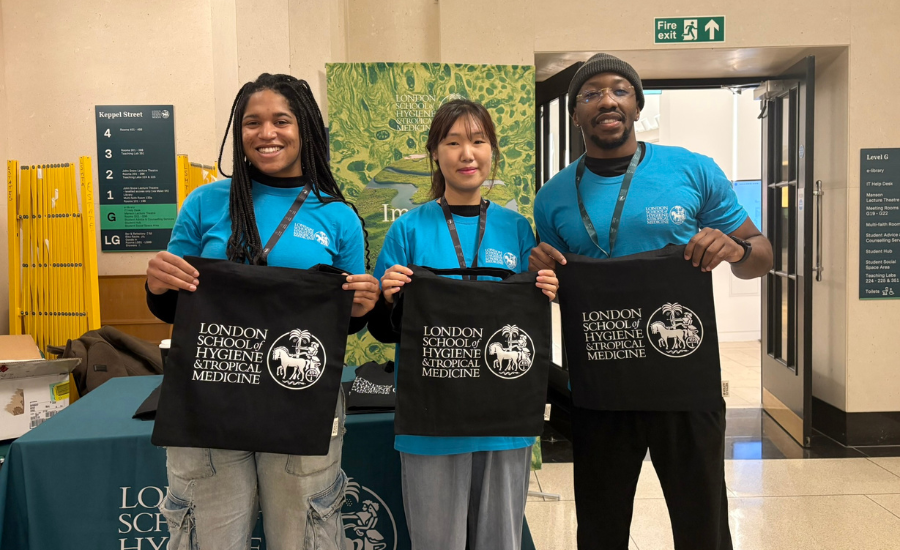
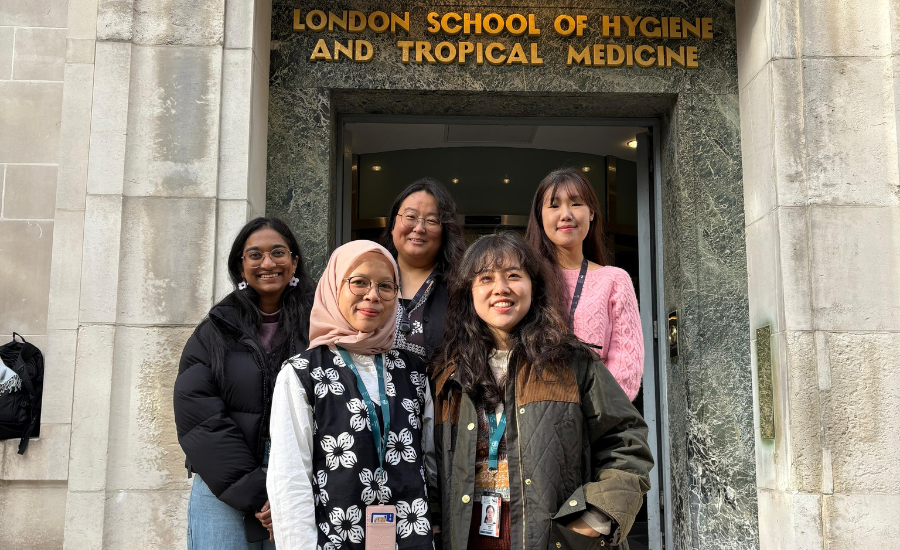
Why LSHTM?
While working in public health settings in low- and middle-income countries, I realised that I needed more structured and professional training in global health. Although a wide range of interventions were being implemented on the ground, I often felt there was a lack of clear frameworks to prioritise health problems and to translate them into structured, impact-focused solutions within limited resources.
Through these experiences, I came to understand that health issues cannot be fully addressed by focusing only on individual diseases or behaviour change. Instead, they must be examined within the broader contexts of policy, social structures, and inequality. I chose the MSc Public Health for Global Practice programme because of its strong emphasis on building practice-oriented skills, particularly in prioritising health problems and designing and evaluating interventions based on evidence.
A different learning structure and experience
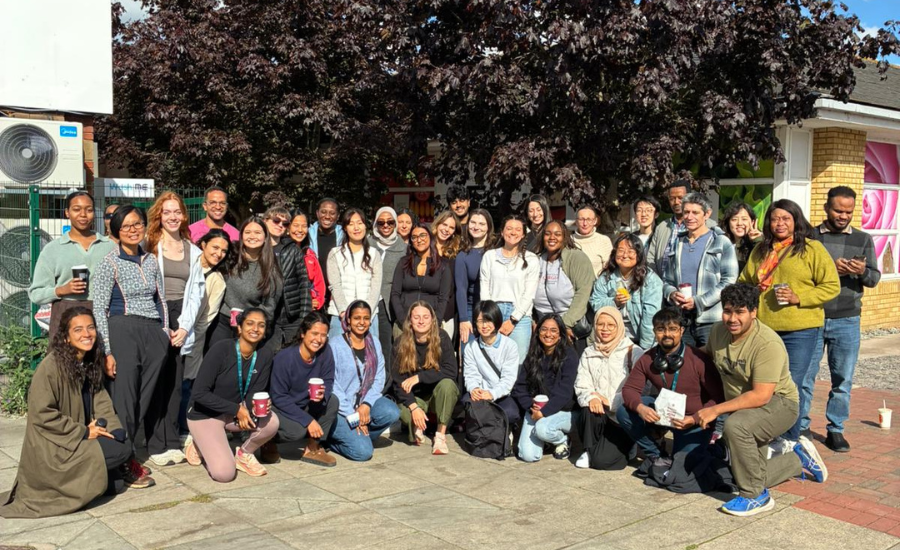
One of the greatest strengths of the programme is the diversity of its students. Doctors, nurses, NGO practitioners, and policy professionals all bring their unique backgrounds into classroom discussions, allowing each public health issue to be explored from multiple perspectives.
For me, having a clinical background has been especially meaningful. My previous field experience has not simply been a line on my CV, but a valuable asset in seminars and group discussions. By sharing perspectives on the Korean healthcare system and my experiences in low-resource settings, I have seen how my experiences can offer new insights to others.
Classes at LSHTM are fast-paced and intellectually demanding. Towards the end of the first term, exams and essay deadlines overlapped, making each day a real challenge. There were many days when I barely managed to get proper sleep.
Compared to the lecture-based education I was used to in Korea, learning at LSHTM centres on problem-solving discussions and case studies. Rather than memorising answers, we are constantly encouraged to ask why certain outcomes occur and how specific health policies affect different groups. Through this process, I naturally developed stronger critical thinking and practical application skills.
At first, reading academic papers in English, completing statistical assignments, and participating in group discussions felt overwhelming. However, with constructive feedback from tutors, support from classmates, and collaboration through group projects, I could feel myself gradually growing. Now, discussing topics of interest with peers feels natural, and when friends jokingly say, “You’re really becoming an LSHTM student,” I can truly see how much I have changed.
Enjoyable life
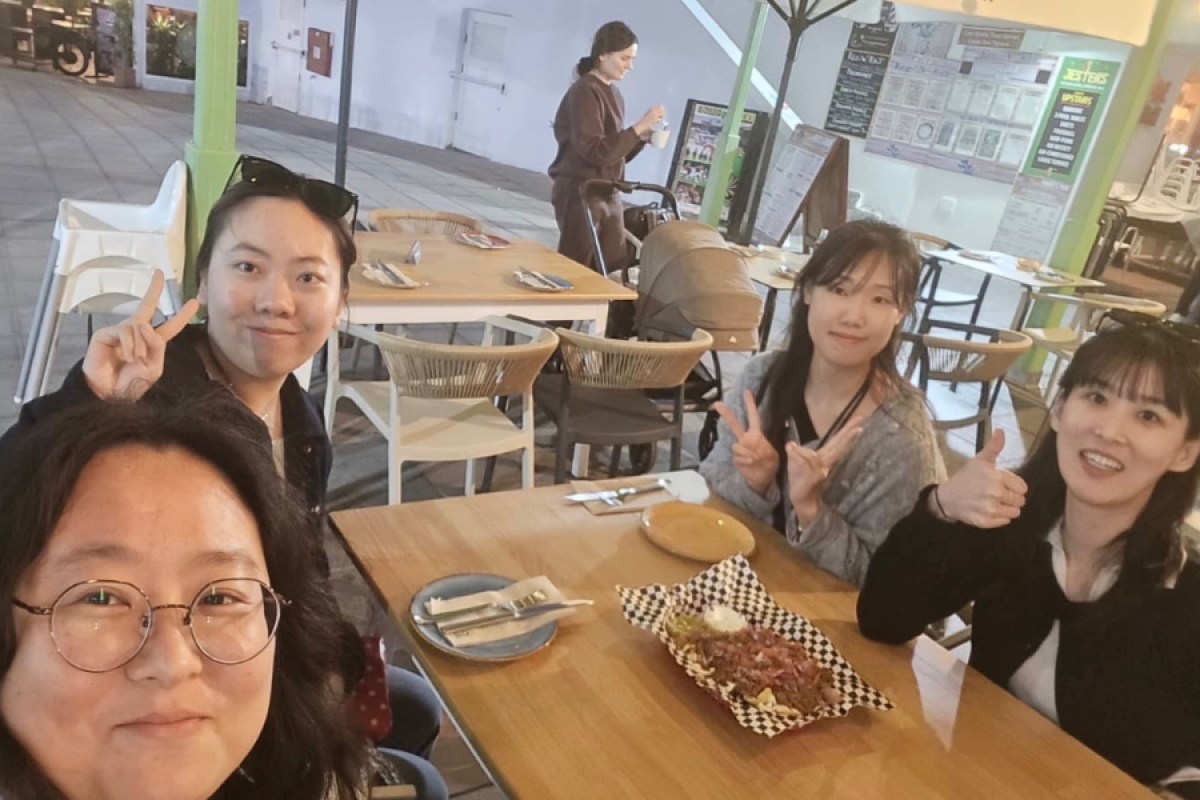
London is very different from Korea - in its weather, food, culture, and study style. Still, small moments, such as walking through nearby parks on sunny days or working on assignments in cafés near campus, have gradually become cherished parts of my daily life.
On weekdays, most of my time is devoted to classes and coursework. On weekends, I often cook Korean food with friends or explore different neighbourhoods across the city. Following advice from senior students that the workload increases significantly in the Spring Term, I used Reading Week in the Autumn Term to take a short trip to Malta, and later travelled briefly to Italy and Spain during the break. Walking under the sun by the blue sea allowed me to step away from academic pressure and regain energy.

My studies beyond the classroom
My interest in women’s health and health inequalities began through my involvement in a maternal and child health project in Laos. Since joining LSHTM, I have become a member of the MARCH Centre (Centre for Maternal, Adolescent, Reproductive & Child Health), where I have learned from maternal and child health case studies in low- and middle-income countries. I also attended updated EmONC webinars, gaining current knowledge on emergency obstetric and newborn care.
I am now preparing for my Summer Project and carefully considering potential research topics. With the research theme lists shared by the MARCH Centre, I am exploring topics that closely align with my interests. What once felt distant, policy and research, now feels increasingly accessible, and I am gaining confidence that I can contribute meaningfully to this field.
In the future, I hope to work in global health, focusing on women’s and children’s health and community-based public health practice. My goal is to connect my clinical experience in Korea with the global perspective I have gained at LSHTM, and to contribute Asian voices to the global public health field.
My advice to you
If you are considering a similar journey, I want to share one message: you do not need to be perfectly prepared before you begin. Academic English and confidence are not prerequisites - they are things you build gradually through the process.
If you have questions about LSHTM, studying in London, or life as an international student, please feel free to contact me. I would love to share my experiences honestly with those who are interested in LSHTM but hesitant due to a lack of information. From IELTS preparation, applications, and student visas, to academic life, cultural adjustment, and practical tips for living in London, I am happy to share everything I have learned along the way.
I hope my story offers a small sense of direction and encouragement for your own journey.