How volunteering in the DRC shaped my path into humanitarian health
19 May 2026 London School of Hygiene & Tropical Medicine London School of Hygiene & Tropical Medicine https://lshtm.ac.uk/themes/custom/lshtm/images/lshtm-logo-black.png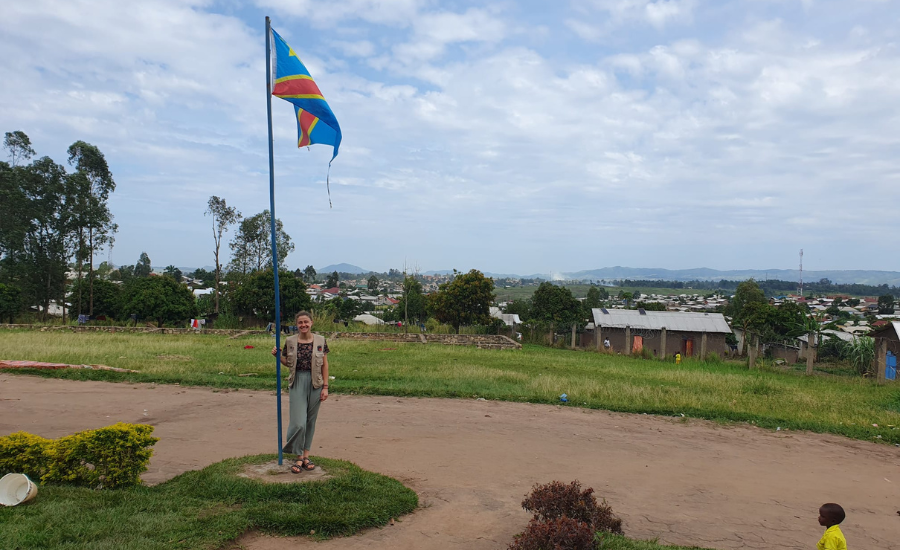
Why I chose to study Health in Humanitarian Crises at LSHTM
My interest in the area began with my bachelor’s degree in international health sciences and during that, I decided to focus on development aid. Once I completed my studies, I did a year of volunteering in the conflict-affected eastern Democratic Republic of the Congo (DRC), supporting the development of a local health insurance organisation and being part of a project that provided health services in a refugee camp. That experience really switched my focus from development aid to humanitarian aid and gave me a whole new direction. After that, I moved home to Germany and started looking for a master’s that focuses on humanitarian crises and health.
How distance learning fits around my work and daily life
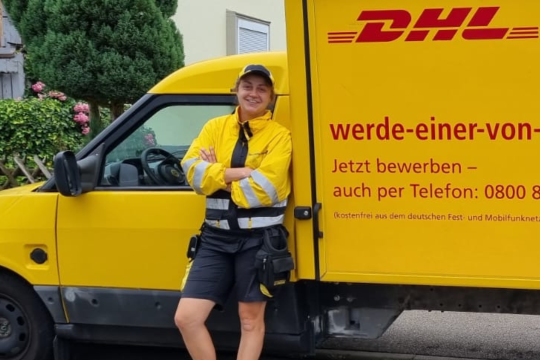
I’d just come back from the DRC and didn’t want to move again, so LSHTM’s Health in Humanitarian Crises by Distance Learning course was a perfect fit. Now I work part time for DHL, delivering packages and mail, while I study full time. I’m currently in my second year, studying four modules and writing my Master’s thesis, so that I can complete the MSc within two years.
The modules that changed how I see global health challenges
The elective modules have been especially interesting. I chose WASH (water sanitation and hygiene), Parasitology and Issues in Global Health Policy. Issues in Global Health Policy provides such a good understanding of the layers of complexity that come with every global health issue, even when the solution may seem simple at first sight. WASH is particularly relevant for me, since I’m currently writing my master’s thesis about waterborne diseases in the eastern DRC.
The skills I've gained while studying alongside other commitments
I have gained such a mixture of skills and knowledge, i've got a lot more familiar with how things work in humanitarian aid and how different organisations work together. On the personal side, it's helped me hone my time management skills through keeping on top of different modules and deadlines.
Why flexible learning makes studying possible for me
For me it's perfect, because it would be difficult for me to afford living in London. Through distance learning, I can work part-time while keeping up my volunteering commitments within my church and the local fire brigade, as well as helping on my parents' dairy farm. The course has also strengthened skills that are particularly valuable for my role in the fire brigade's psychosocial support team for critical incidents - particularly around understanding the health impacts of emergencies and supporting people affected by traumatic situations. The flexible programme gives me the chance to do all these things alongside studying.
What I hope to do next in humanitarian health
After I complete my master's, I would love to work for a humanitarian aid organisation that operates in long-term crisis settings, especially those caused by conflict such as in eastern DRC.
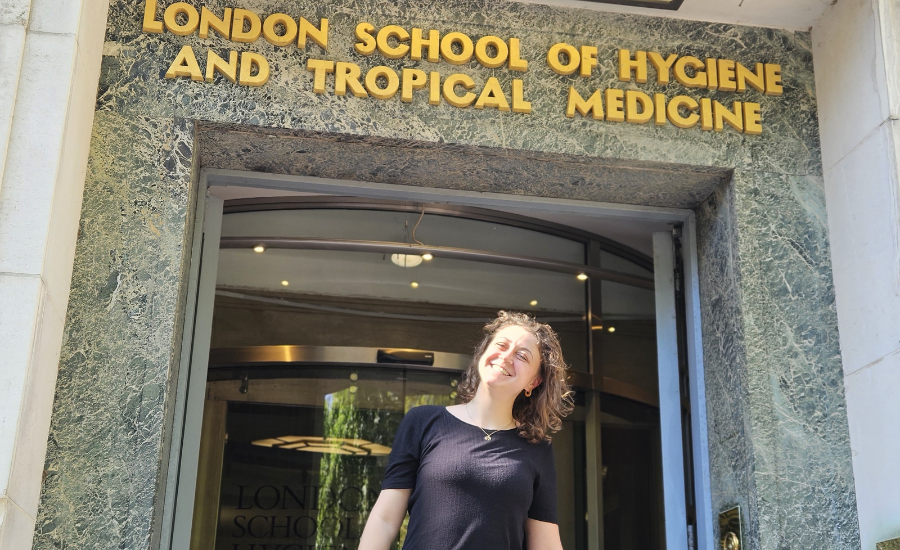
- Contact a student ambassador via our student and alumni ambassadors page.
- Study with LSHTM from anywhere in the world. Discover our distance learning programmes (from modules, to PG Cert, PG Dip or MSc), including Health in Humanitarian Crises by Distance Learning.