How to survive DrPH: Thriving in the LSHTM Professional Doctoral Journey
15 January 2026 London School of Hygiene & Tropical Medicine London School of Hygiene & Tropical Medicine https://lshtm.ac.uk/themes/custom/lshtm/images/lshtm-logo-black.png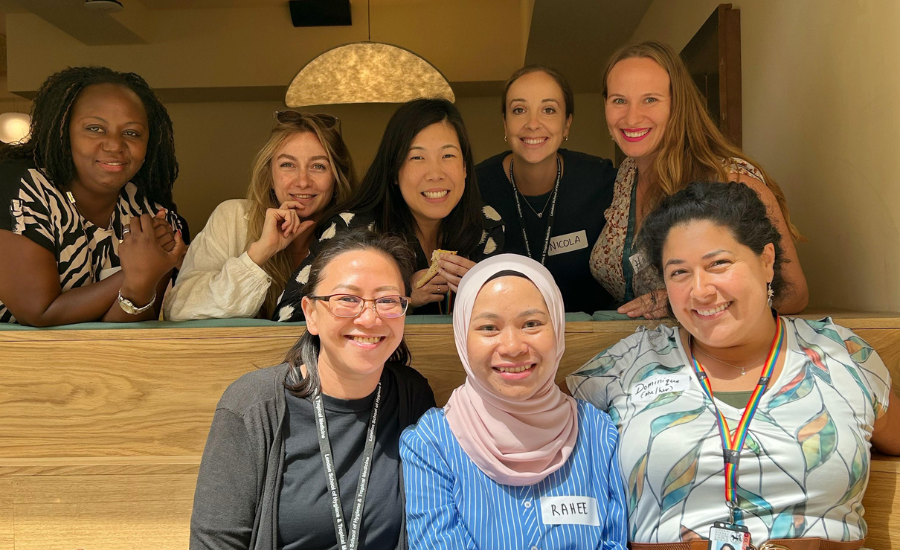
If my previous blog convinced you to apply, this is the reality check! The transition to a DrPH student at LSHTM is exhilarating, terrifying, and utterly consuming. Leaving a structured professional job for the self-directed chaos of a doctorate is a major life shock.
But don't panic. Based on my 2 years of experience, here’s what you can expect, and my most practical tips for not just surviving, but hopefully thriving.
The DrPH Flow: Three key phases of intensity
Your time here is broken into three distinct, high-pressure elements:
- The Sprint (Term 1): Your first term is a furious sprint, dominated by two compulsory modules (EBPHP and ULMO). You’re suddenly buried under reading lists and written assignments, all while trying to settle into London life and secure your OPA organisation. This phase is about recalibrating your academic muscle while learning to manage a crushing workload.
- The Immersion (OPA/RSI): The Organisational and Policy Analysis (OPA) is a unique feature of the DrPH. You spend several months fully immersed in a policy environment, applying theory to observe and analyse. It's the ultimate bridge between the classroom and the field. It feels like a high-level consulting project, demanding diplomatic and analytical skills.
- The Marathon (RSII/Thesis): Once you pass the DrPH Review (your formal thesis proposal assessment), you enter the long haul: the thesis. The pressure shifts from external deadlines to internal, self-monitored progress. This is where most students battle the feeling of isolation. Well, I just started this stage, but it sure feels isolated!
Practical survival tips: prepare for the unexpected
The most unexpected challenge is often the emotional and psychological load—the loneliness of doctoral work and the complex mix of imposter syndrome and high expectations. Here’s my advice for dealing with it:
Tip 1: Your cohort is your lifeline. LSHTM's DrPH intake is small (around 20 people a year). Embrace this! Your DrPH cohort—your group of DrPH friends—is the only group of people who truly understand what it's like to be simultaneously a full-time student, a mid-career professional, and a nascent researcher. We share everything, from life stress and thesis hurdles to policy panels and post-review anxiety. Invest time in building these relationships.
Tip 2: Take care of your physical and mental health. It’s easy to let the doctoral work consume every waking hour, but you cannot pour from an empty cup. Schedule non-academic time ruthlessly. For me, that means prioritising cooking, gardening, and spending time in nature and with friends—activities that are completely separate from policy frameworks and data analysis. Also, actively maintain your social connections: keep in touch with family and friends. Even something simple like a group call with my sister, cousins and friends back home helps break the isolation and remind me there's life outside of the thesis. This focus on well-being is not a distraction; it's a necessary investment in your long-term research productivity. Trust me, I also used to think it was a distraction.

Tip 3: Utilise the LSHTM Student Support Service. This is non-negotiable. I can’t stress this enough: seek support early. When I hit a wall with the complex readings and started feeling overwhelmed, I reached out. The Student Support Service helped me get assessed for dyslexia, which was instrumental in understanding my learning style and developing targeted study techniques. There is no shame in seeking help; it is an act of proactive resilience. Don't wait until it becomes a crisis.
Tip 4: Be a network sponge, not just a student. The value of LSHTM isn't just the teaching; it's the access. Attend every seminar, every lecture from visiting experts, and engage with the academic networks in your field (for instance, the AMR Centre). Your supervisors are excellent, but you should aim to build relationships with other experts across the School and beyond. This engagement broadens your perspective.
The DrPH journey at LSHTM is hard, but it’s designed to transform you from a practitioner into a system-level leader. Come prepared, use your resources, and get ready for the most rewarding challenge of your professional life!
- Contact Sarah via our contact student ambassador page.
- More from Sarah: Why I chose to study DrPH at LSHTM? - Sarah's take
- Dyslexia & DrPH: Sarah's journey getting diagnosed & supported
- Discover DrPH.