Kayla’s monthly note on summer project: Understanding the implementation of nutritional recommendations in Indonesia
9 October 2025 London School of Hygiene & Tropical Medicine London School of Hygiene & Tropical Medicine https://lshtm.ac.uk/themes/custom/lshtm/images/lshtm-logo-black.png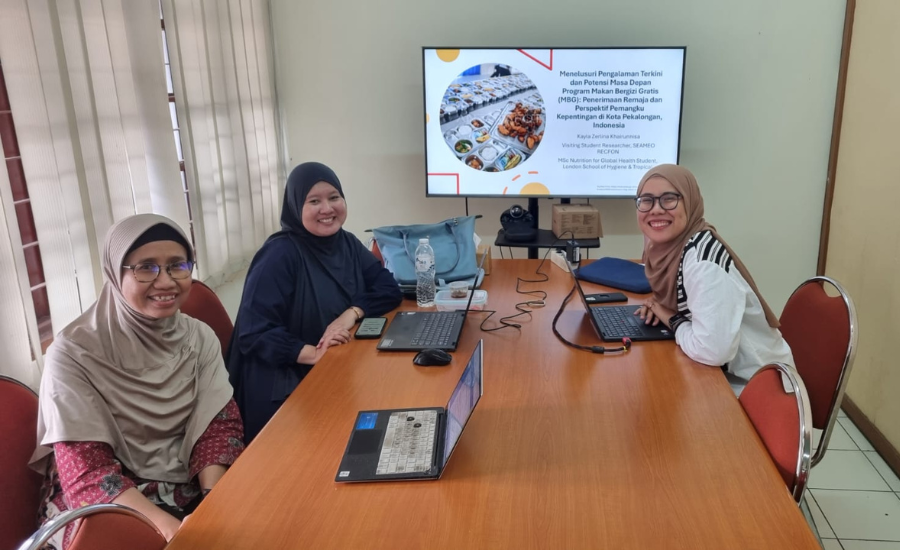
As an Indonesian diaspora, I sometimes feel a bit out of touch with what's happening back home, from the endless cycle of celebrity gossip to the ever-changing government programmes and policies. But when I entered the MSc Nutrition for Global Public Health programme at LSHTM, I knew one thing for sure: I wanted my summer project to centre around Indonesia. Through this journey, I've been able to reconnect and re-root myself in the heritage I often feel distanced from. In this piece, I'll be sharing with you the process that I went through in making my goal alive.
September
In the weeks leading up to Welcome Week, our Programme Director, Hilary, reached out to us to get to know us better. A few questions were sent, and through this, Hilary was able to match us with our Personal Tutor, which every MSc student gets. I recall expressing a strong interest in conducting research on Indonesia, which Hilary then paired me with my personal tutors who have experience in that area. During Welcome Week, we were also introduced to the various projects and research conducted within The Nutrition Group, marking a great start to my early supervisor hunting.
November
As the Reading Week approached, we had a bit more time to dig deeper into the kind of experiences we want to have during our time in the programme. I then approached my fantastic supervisor, Elaine, who not only encouraged me but also offered insightful direction. I was aware of both Hilary's and Elaine's involvement in a collaborative project with an organisation based in Jakarta, Indonesia, called SEAMEO RECFON over the past few years, and I sensed that this could be a meaningful starting point.
January
We had our first meeting with SEAMEO RECFON, where Dr Umi Fahmida introduced me to the projects that are currently being undertaken. It eventually led me to my current summer project, where I've had the chance to explore how Food-Based Recommendations (FBR) are being implemented on the ground. Specifically, I’ve focused on Pekalongan, a coastal regency in Central Java, where nutrition issues remain a critical concern, particularly among adolescents. This decision was made quite early, as I realised my project would require primary data collection and, therefore, being physically present in Indonesia.
Thus began the journey to shape and polish the proposal. I initiated conversations with researchers at SEAMEO RECFON to better understand their ongoing project proposal and explore how I could align my research within it. This required a series of back-and-forth discussions, as a new research angle had to be carved out and developed from scratch. Starting early was key.
February
We were set a deadline for our concept note, which helped us map our research and build from it. As this project involves primary data collection, the concept note was an excellent time for me to develop my ideas into a research proposal.
March/April
The next major step involved preparing the paperwork. The CARE form, LSHTM’s ethical clearance application, was due by mid-April. Since primary data collection often requires multiple revisions and amendments, I strongly advise submitting this as early as possible. This phase can be particularly challenging, especially as it coincides with C and D blocks, which are often the busiest periods in the academic year. Through this period, reaching out to fellow students, tutors, and lecturers has been a source of help for me, as it made me feel like I was not alone in this boat.
As this project requires me to be physically in Indonesia, contacting the Offsite team is part of the package, which people often forget, especially when you are travelling to your home country. The Offsite team, responsible for monitoring the number of individuals abroad, is the best point of contact in case anything happens to you while you are abroad. In this period, I also explored potential travel scholarships within the School, which would help cover travel costs between London and Jakarta, as well as other available scholarships for the project's duration.
May
Alongside applying for the CARE form, I also required local ethics approval as I would be doing primary data collection in Indonesia. This can be done alongside applying for the CARE form, as one of the requirements for approval for the CARE form is the local ethics approval.
June
This was the start of my background reading, and I completed as much as I could while waiting for the ethics approval. As the project involves primary data collection, I have gained extensive hands-on experience in understanding the study's background and context, as well as the methods I will use to conduct the project.
July
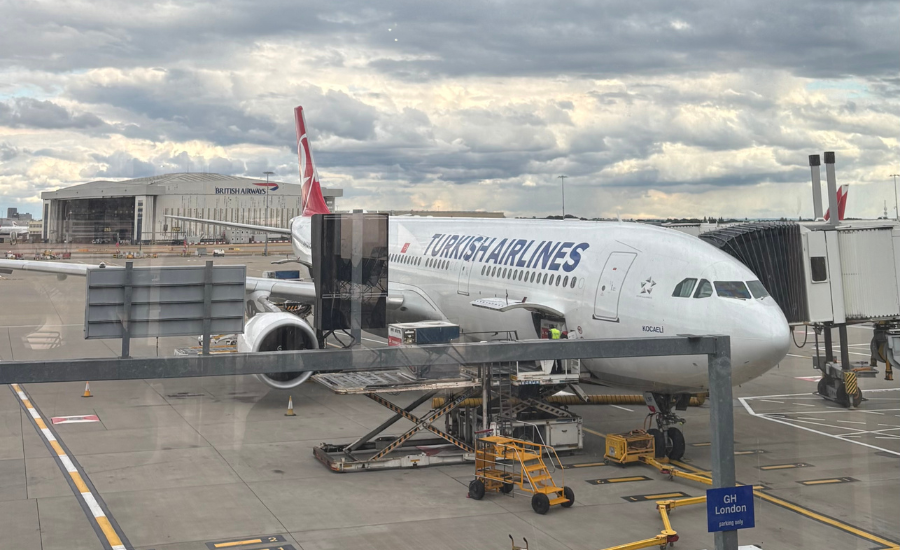
Finally, the fieldwork! I flew into Jakarta at the start of the month, while also keeping in contact with those in SEAMEO RECFON who would be helping me in the field. Throughout the month, I have gained a lot of insights and experiences, being back home to conduct a project that I am passionate about. Of course, I also took the time to be back home with friends and family, catching up with them, and having some time to travel within Indonesia!
This month, a lot of data collection was conducted. Focus group discussions were done on adolescents in the Junior High School stage, as well as interviews with parents and teachers on their perceptions of the recommendation. I have to admit, this was the most enjoyable bit of the summer project. Qualitative research, much different from your standard numbers and p-values, involves a lot of listening and hearing people's stories and perspectives. Through the interviews, I was able to see people for their stories, rather than merely statistics that I am used to. As a quantitative person, I value the opportunity to meet with people and connect with them through their stories and lived experiences.
August
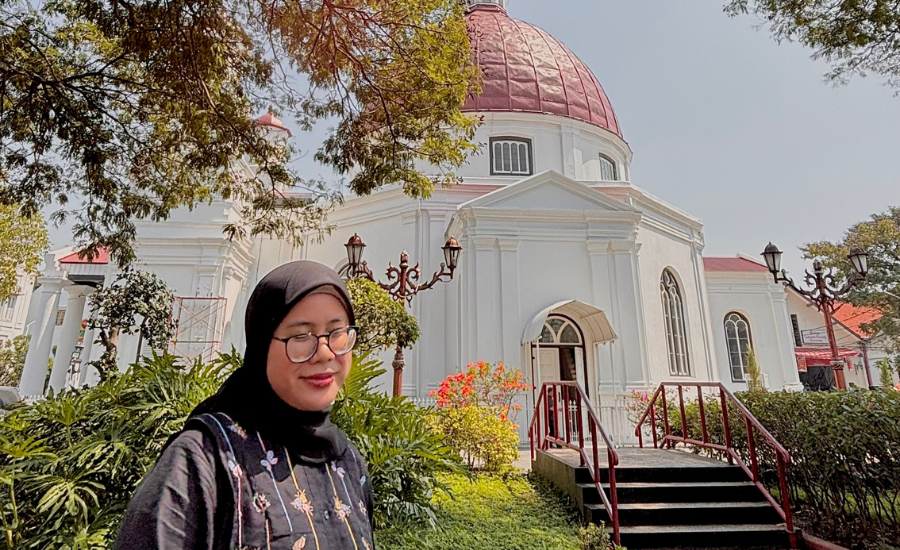
We're onto the final stages of our summer project. I would say, although interviews and focus group discussions are interesting, analysing the data has been a struggle for me - the mere statistics I am used to have now been turned into quotes and stories. Although I would like to include everyone's stories and perspectives, it is not possible to do so.
And with that, I present a summarised timeline of my journey to bring my dream project to life.
Final words to you who are reading...
Bringing this project to life has been one of my biggest accomplishments throughout my master’s programme. It came with sweat, tears, and a great deal of determination to make it a reality. I understand that not everyone begins their master’s journey with a clear vision of what they want to achieve. Many use this time to explore their interests and opportunities. Meeting new people, learning from their experiences, and discovering the paths that open along the way are some of the best ways to shape and venture into your own interests.
Although I began with a few ideas in mind, engaging with fellow colleagues and researchers opened new doors and perspectives, ultimately allowing me to turn this project into reality. And with that, I present a summarised timeline of my journey in bringing my dream project to life.