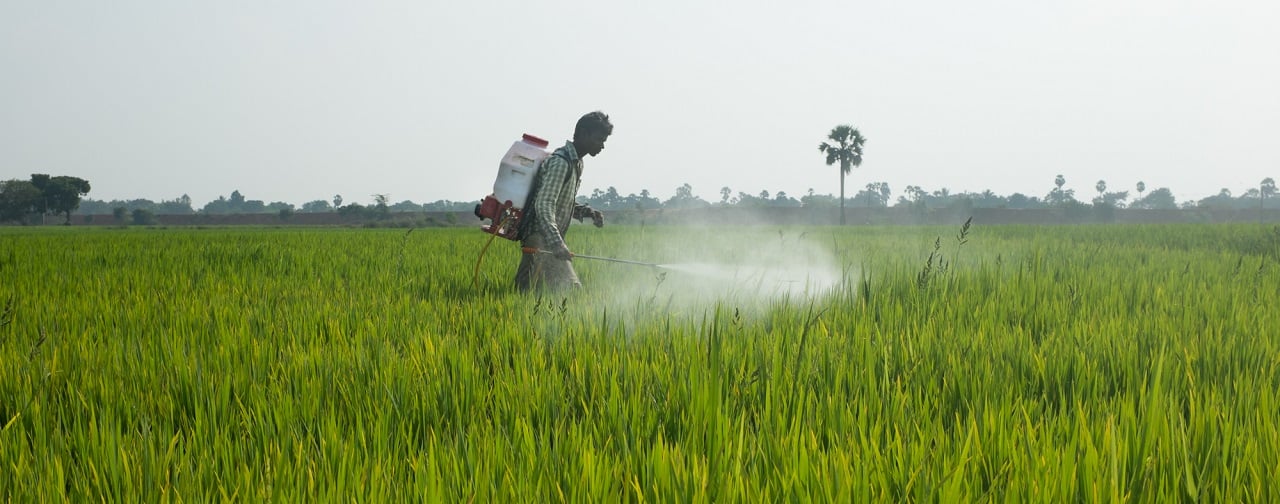



The DEGREE study aims to find out how severe and widespread the problem of chronic kidney disease of an undetermined cause (CKDu) is, what the causes are and how it can be prevented.
We are a team of epidemiologists, medics, statisticians and other experts from universities and organisations working together to investigate chronic kidney disease.
The DEGREE study is investigating a deadly kidney disease to establish the scale of the problem, inform governments and local communities, find out what causes it and work to prevent it.
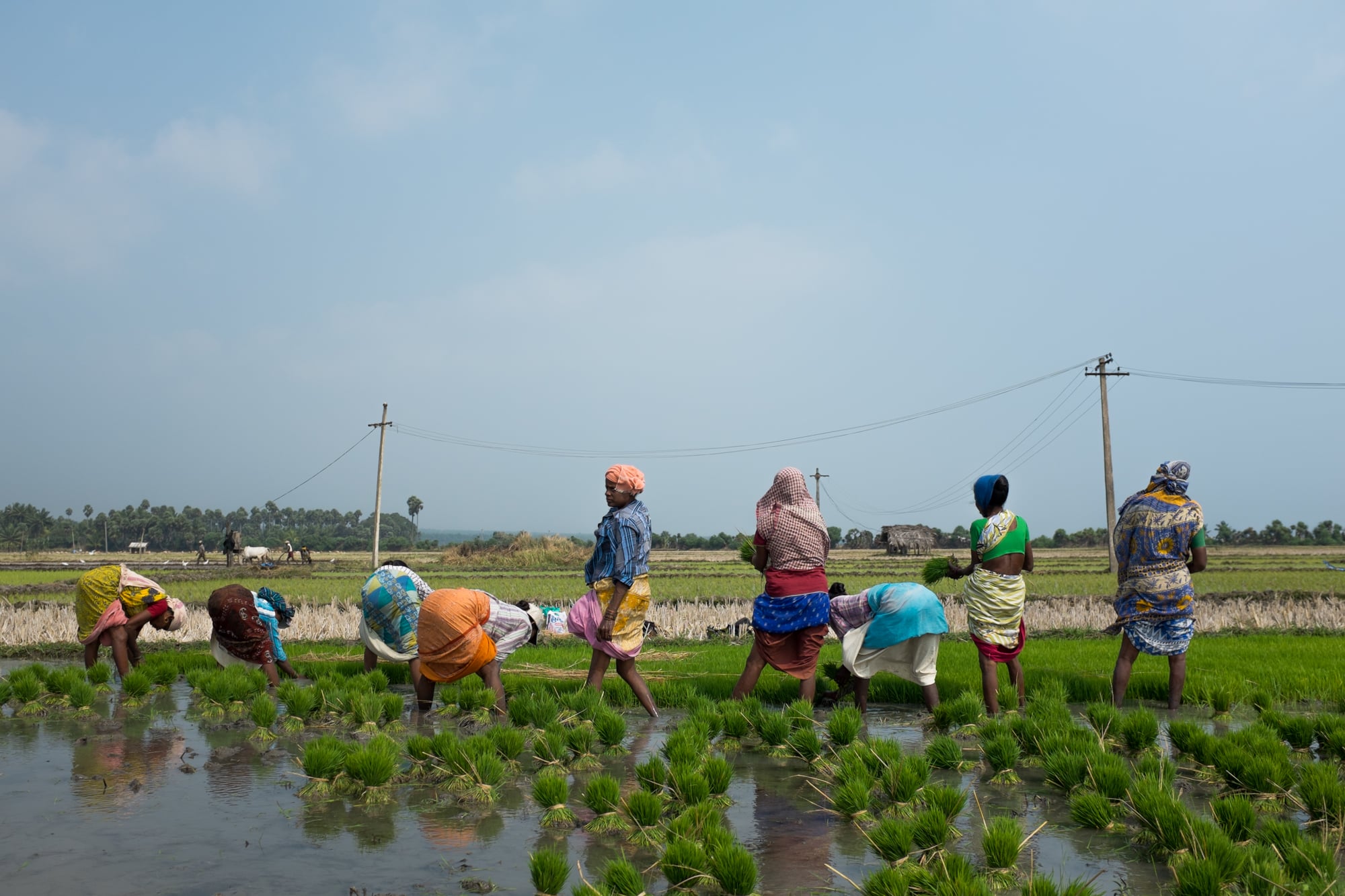
The DEGREE study is investigating a deadly kidney disease to establish the scale of the problem, inform governments and local communities, find out what causes it and work to prevent it.
Chronic kidney disease of an undetermined cause (CKDu) is estimated to have led to the premature deaths of hundreds of thousands of young men and women in low and middle income countries over the last two decades. It has been primarily linked to an epidemic of fatal illness among sugar cane workers in Central America but there is currently no standardised data to enable comparison and understanding of the causes and common factors compared with other parts of the world.
The DEGREE project launched in December 2016 with funding from the Medical Research Council. It ran officially until 2019, but there are plans to continue the work to include further countries and multiple time points. It is a collaboration between the London School of Hygiene & Tropical Medicine, and La Isla Foundation (La Isla Network),
It aims to:-
- Inform local communities, healthcare systems and governments of the size of the problem
- Understand if there are factors in common between different areas affected, and
- Accurately measure whether the problem is worsening or improving over time.
- Act as a foundation for future aetiological and intervention studies
- Help build a network to address the problem of CKDu across the globe.
The first phase was conducted in four countries (India, Malawi, Peru and Mexico). Following this, further countries took part including Ecuador, Guatemala, Kenya and Sri Lanka.
The DEGREE protocol provides a simple set of tools which researchers can use anywhere to quantify the distribution of estimated Glomerular Filtrate Rate (eGFR) – an estimate of kidney function – using cross-sectional surveys in a representative sample from populations thought to be at risk of disease.
The history/background
An epidemic of kidney disease clustering in agricultural communities in low and middle income countries has been reported. Although it is not clear if there is a unified underlying cause, these illnesses have been collectively termed chronic kidney disease of undetermined cause (CKDu). CKDu is estimated to have led to the premature deaths of thousands of young men and women over the last two decades.
There is an urgent need to understand the causes and to find out how to prevent it.
Currently it is known that CKDu occurs in Central America, in particular among agricultural and sugar cane workers, but it may also be occurring in other tropical/subtropical parts of the world. Obtaining standardised data to enable comparison is an essential step towards discovering the causes of CKDu.
Related links
In 2025 we published the first world-wide descriptive study into CKDu prevalence (using low eGFR as a proxy) in Kidney International (see link in publication list).
Over 60,000 working-age adults were surveyed across 43 areas in 14 countries. We found a high general-population burden of impaired kidney function in some areas of Central America and South Asia, predominantly (but not only) in men and almost exclusively in rural areas.
Chronic Kidney Disease of undetermined causes (CKDu) is prevalent in several Central American countries, Sri Lanka, Egypt, and now India. It’s a fatal progressive loss of kidney function that has killed 40,000 people in the last decade—and no one knows what causes it. CKDu mostly impacts poor, agricultural workers, and is virtually undetectable until its latest stages when kidney failure is inevitable. As villages in Southeastern India grapple with this hidden disease, it has a severe impact on families and their livelihoods. This documentary by Talking Eyes Media, Hidden Under the Indian Sun, follows two women as they encounter this disease in their communities.
La Isla is a small community located on the outskirts of Chichigalpa, Nicaragua in the Central American lowlands. Its sole economy is the sugarcane industry which relies on young men desperate to provide for their families ensuring an endless supply of labor. The wage they can earn cutting sugar cane makes the work worth it despite the fact that some 70% of men working in the industry develop Chronic Kidney Disease of unknown origin (CKDu).
Research done by both the University of Boston as well as the National Autonomous University of Nicaragua, Leon (UNAN) has so far not yielded answers as to the cause of the disease. Meanwhile roughly 250 men are dying every year leaving their community to take on the nickname "la Isla de Viudas," "the isle of widows." The dying men range in age from 18 to 40s+ which inherently makes them the breadwinners for their families. Without their earning power the widows of the community are left to try to make ends meet for their children in numbing poverty while their sons grow up destined to swing their machetes and set fire to the ground, in the end to produce consumer grade sugar at a low price. The people of La Isla deserve dignity, can you help?
In Sri Lanka’s North Central Province more than 23,500 people have died of Chronic Kidney Disease of undetermined causes (CKDu), earning it the moniker, “the hot zone.” In many communities 15% of the population is affected, mainly farmers working in the sun, using agricultural chemicals. While state funded dialysis centers care for hundreds of patients, many of these rural, affected farmers prefer their traditional Sinhala medicine system, where a combination of dietary and spiritual therapy promises to cure them. Local researchers are now joining with international investigators, but some feel their research into chemical related causes are being blocked by business interests.
In the Hot Zone follows two men in their fight against CKDu. Terrence, a former lab technician and farmer, is a tireless activist, racing to organize data collection and community outreach programs in order to prevent the onset of the disease affecting his fellow farmers. H.B., who comes from a long line of rice farmers, has put his hope in the Sinhala medicine tradition after he feels that Western Medicine failed in curing him and waits to go home to his family.
While the causes of CKDu here need to be more thoroughly studied, all actors agree that the collateral damage of the disease is only beginning to be felt. “This is not only a health problem, this is a problem of our civilization, this is a problem of our society, this is a problem of our economy.” says Dr. Jayasumana. As doctors and activists work towards prevention in the affected communities, patients pray for healing.
A film by Tom Laffay
Cover photo by Ed Kashi
We are a team of epidemiologists, medics, statisticians and other experts from universities and organisations working together to investigate chronic kidney disease.
International Collaboration for the Epidemiology of eGFR in Low and Middle Income Populations – Rationale and core protocol for the Disadvantaged populations eGFR epidemiology study (DEGREE)
Steering Committee
Executive
Neil Pearce (UK) (Chair)
Ben Caplin (UK) (Co-chair)
Jason Glaser (USA)
Ricardo Correa-Rotter (Mexico)
Kristina Jakobsson (Sweden)
Ajay Singh (USA/India)
Donna Davoren (UK) (Personal Assistant)
Other Steering Committee members
Antonio Bernabe-Ortiz (Peru)
Emmanuel Burdmann (Brazil)
Marvin Gonzales (Nicaragua)
Vivekanand Jha (India)
Rick Johnson (USA)
Phabdheep Kaur (India)
Pronpimolk Kongtip (Thailand)
Hans Kromhout (Netherlands)
Adeera Levin (Canada)
Magdalena Madero Rovalo (Mexico)
Dorothea Nitsch (UK)
Mary Njoroge (UK)
Moffat Nyirenda (Ugand/Malawi)
Cristina O’Callaghan-Gordo (Spain)
Pablo Perel (UK/Argentina)
Dorairaj Prabhkaran (India)
Narayan Prasad (India)
Giuseppe Remuzzi (Italy)
Charlotte Rutter (UK)
Rajiv Saran (USA)
Liam Smeeth (UK)
Vidhya Venugopal (India)
Observers
Nalika Gunawardenan (Sri Lanka)
| Country | Region | Area | Urban/rural | Main contact |
|---|---|---|---|---|
| Ecuador | Manabi | Abdon Calderon | Rural | [email protected] |
| Guatemala | Chimaltenango | Tecpan | Rural | [email protected] |
| Guatemala | San Antonio | Suchitepequez | Rural | [email protected] |
| India | Seraikela Kharsawan | Rajnagar | Rural | [email protected] |
| India | North | Delhi (CARRS) | Urban | [email protected] |
| India | North | Delhi (ICMR) | Urban | [email protected] |
| India | South | Chennai | Urban | [email protected] |
| India | North | Sonipat | Urban/ rural | [email protected] |
| India | South | Vishakhapatnam | Urban/ rural | [email protected] |
| India | North | Faridabad | Rural | [email protected] |
| India | South | Andhra Pradesh | Rural | [email protected] |
| Italy | Serchio Valley | Barga | Rural | [email protected] |
| Kenya | Kisumu | Muhoroni | Rural | [email protected] |
| Malawi | North | Karonga | Rural | [email protected] |
| Malawi | Central | Lilongwe | Urban | [email protected] |
| Peru | Northeast | Tumbes area | Rural | [email protected] |
| Peru | Northeast | Tumbes City | Urban | [email protected] |