First-ever Lancet Commission on skin health elevates dermatology on the global health agenda
27 February 2026 London School of Hygiene & Tropical Medicine London School of Hygiene & Tropical Medicine https://lshtm.ac.uk/themes/custom/lshtm/images/lshtm-logo-black.png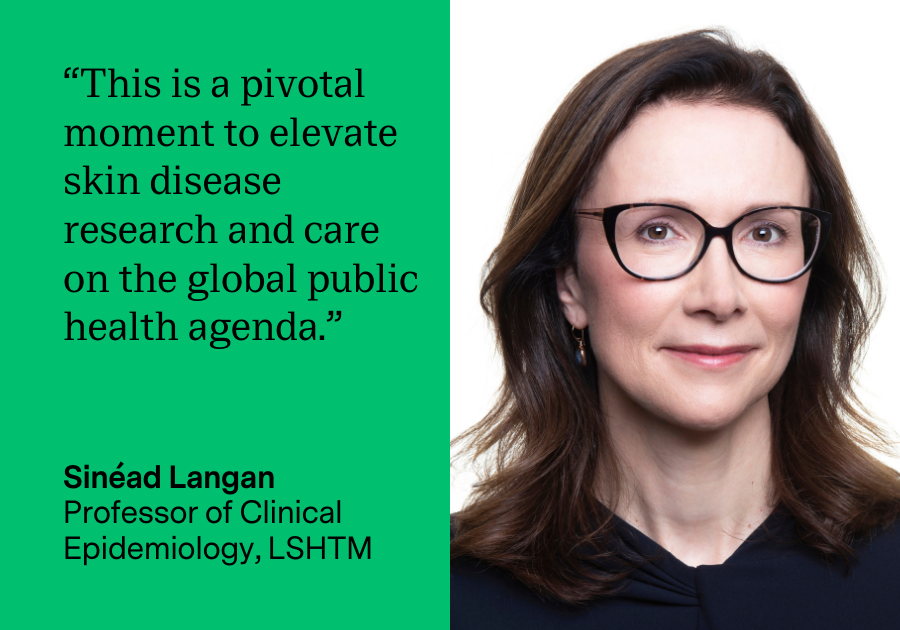
Written by Sinéad Langan, Professor of Clinical Epidemiology at LSHTM and Honorary Consultant Dermatologist at St John’s Institute of Dermatology.
In November we held the kick-off meeting of the Lancet Commission on Skin Health at Central South University in China, the Commission’s host organisation. This is the first-ever Lancet Commission to focus on dermatology and represents a pivotal moment to elevate skin disease research and care on the global public health agenda.
Skin diseases affect billions of people and severely impact quality of life, as well as causing a significant mortality burden. They are consistently ranked within in the top ten of the most prevalent non-fatal diseases globally. Skin diseases cover a broad spectrum of conditions including allergies, infections, autoimmune diseases, inflammatory diseases, cancers and genetic diseases.
Infectious skin diseases disproportionally impact infants and young children globally, particularly in low- and middle-income countries. These conditions often exploit vulnerable populations afflicted with overcrowding, low vaccination rates and poor sanitation; they are among the most observed health conditions in people displaced by conflict or extreme climate events.
I am honoured to co-chair this Commission alongside Xiang Chen, Professor of Dermatology at Xiangya Hospital in China, and Esther Freeman, Associate Professor of Dermatology at Harvard Medical School, working with colleagues from around the world.
Over several years, we will work as a global group of scholars and researchers to conduct an in-depth examination of a range of pressing issues relating to skin health. These include the ‘dermatological transition’ – the shift from infectious diseases to non-communicable diseases (like psoriasis, eczema and skin cancer) as the main causes of skin disease burden as nations go through urbanisation and lifestyle changes.
We will also evaluate the availability and accessibility of dermatological care globally and ways to strengthen workforce capacity. Other key priorities are the integration of skin-related neglected tropical diseases into primary health care; and advances in the early detection of skin cancers including melanoma, focusing on the role of artificial intelligence (AI).
Momentum has been building around skin health for some time, and in early 2025, the 78th World Health Assembly formally recognised skin diseases as a global public health priority for the first time. The global health agenda is finally recognising the importance of skin health to overall health. Beyond acting as a physical barrier, the skin actively influences internal systems through immune regulation, cell signalling, and microbiome interactions. Dermatological conditions such as psoriasis, eczema and rosacea are linked to systemic inflammation, cardiovascular risks, and metabolic disorders. Stigma related to skin appearance can also significantly affect self-esteem and mental health.
The detailed analysis and evidence-based recommendations produced by this Commission will aim to enshrine skin health as a cornerstone of overall wellbeing, and concordantly advocate for increased investment in dermatological care, increased research funding and better awareness and education in skin health.
Read more in The Lancet.
If you enjoyed this article and would like to build a career in global health, we offer a range of MSc programmes covering health and data, infectious and tropical diseases, population health, and public health and policy.
Available on campus or online, including flexible study that works around your work and home life, be part of a global community at the UK's no.1 public health university.