Expert Comment: Why is the UK expecting a bad flu season this year?
7 November 2025 London School of Hygiene & Tropical Medicine London School of Hygiene & Tropical Medicine https://lshtm.ac.uk/themes/custom/lshtm/images/lshtm-logo-black.png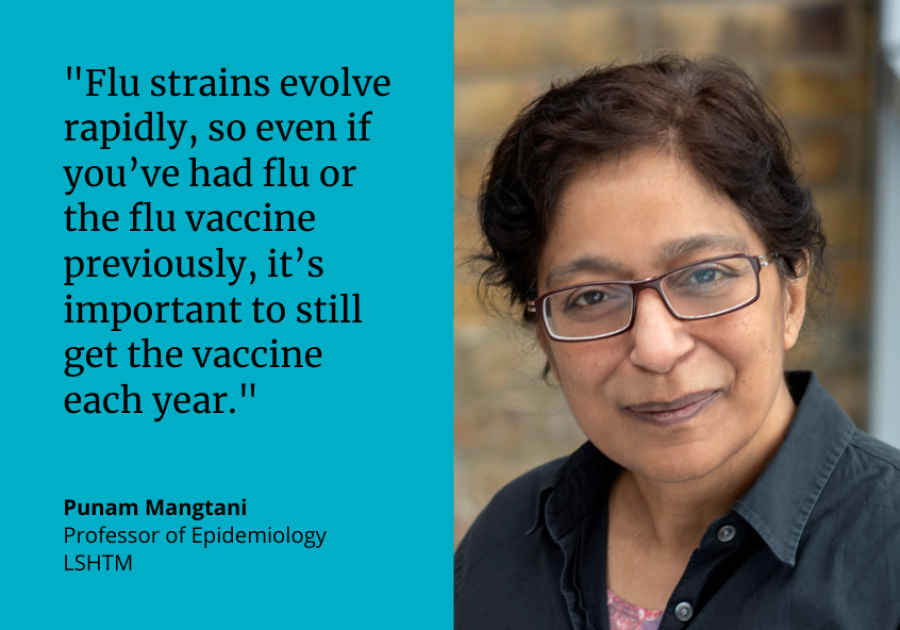
High cases of influenza, more commonly referred to as flu, have been recorded a month earlier than expected across the UK and eligible adults should consider getting their vaccine as soon as possible for maximum protection, according to an update from England’s National Health Service (NHS).
It follows the biggest flu season in Australia’s history, which is often used as a benchmark for the upcoming winter months in England. Latest figures also show less than a third (28.9%) of people with one or more long-term health conditions and eligible to get the flu vaccine in the UK, have had it so far.
Flu is a highly contagious respiratory infection caused by the influenza virus. It’s typically spread through droplets in the air from sneezing or coughing, or by direct contact from one person to another. Symptoms, including high fever, cough, sore throat, body aches and fatigue, usually begin around 1 to 4 days after infection.
Healthy individuals usually recover within 2 to 7 days, but for some, the disease can make existing conditions worse and increase the risk of developing more serious illnesses such as bronchitis and pneumonia. This can lead to hospitalisation, permanent disability or even death.
The best protection is to get the flu vaccine before the peak of the season starts, as they are updated each year to help protect against the main types of influenza virus circulating. In England, flu vaccines are available for everyone aged 65 and over, under 65s in clinical risk groups, pregnant women, children and front-line staff.
Commenting on the situation, Dr Punam Mangtani, Professor in Epidemiology and a specialist in the spread of influenza and other respiratory infections at the London School of Hygiene & Tropical Medicine (LSHTM), explained why those who have been ill with flu previously or had last year’s vaccine, may still be vulnerable to this year’s strains.
Professor Mangtani said: “Flu occurs every year, particularly in the winter months in temperate settings, which is why you’ll often see it referred to as ‘seasonal or epidemic flu’. Unlike a common cold, symptoms will usually come on very quickly and are often much worse. As the infection is caused by viruses and not bacteria, antibiotics will not help to treat it.
“There are currently three main types of influenza virus circulating (two influenza As called H1N1 and H3N2, and influenza B). They naturally undergo small genetic changes over time so can evade our immune systems. This is why we try and identify which strains may be circulating the most ahead of the flu season, and adapt the flu vaccine every year to try and offer the best protection.
“Flu strains evolve rapidly, so even if you’ve had flu or the flu vaccine previously, it’s important to still get the vaccine each year, as your natural immunity may not be as effective. It’s also best to have your flu vaccination in the autumn or early winter before cases increase, particularly if you fall into one of the recommended groups.
“The flu jabs are being made more available in pharmacies and GP practices across the country. Children who can get ill, so miss school, and occasionally get quite severe infections, are also offered a simple-to-administer nasal version of the flu vaccines either at school or if not yet at school, to 2- and 3-year-olds at the GP.
“Washing hands often to remove possible viruses picked up from surfaces and wearing a mask in busy places like shops and public transport are good ways to reduce the chance that viruses may come into contact with your mouth and nose. Disposable masks are available in pharmacies and coughing or sneezing into a tissue or the bend in your elbow, rather than your hand, also helps. Most people are infectious from a day before being ill and usually 5 days after illness. Any contact with others should ideally be kept to a minimum for 3 to 5 days after becoming ill."
Listen to the LSHTM Viral podcast with Professor Mangtani discussing winter flu season
By researching the evolution and epidemiology of infectious diseases and how they interact with their hosts, Professor Mangtani and colleagues at LSHTM advise on how we can limit their spread, the most effective use of vaccines, and which policies could help protect the most vulnerable.
“Positive flu infections are reported to the UK Health Security Agency and early data suggests that one of the influenza strains circulating this year (H3N2) is less like the one seen in 2024’s flu season. This means there may be a bit less immunity already in the population, so the virus can transmit and infect people more easily and could be a reason why cases have risen earlier than last year.
“We often use flu cases recorded in Australia as an early indication for the UK, given that their flu season starts ahead of ours. There appears that have been a lower flu vaccine uptake in Australia than previous years, which may be why cases have been higher. Vaccine uptake rates in the UK also seem to be lower this year in older adults than the same period last year and hospitalisation rates are already rising, especially in over 80-year-olds.
“Children are also a key group in the spread of flu, as they have been less exposed to ‘flu seasons so have less immunity and mix frequently with other children. They are therefore often the first to get infected. We are already seeing increased flu cases in children across the UK, which is an early warning of the season ahead.
“Influenza reminds us and our health services each year that easy access to vaccines, as well as good, accurate information on vaccines and how to protect against illness, is a priority.”
If you enjoyed this article and would like to build a career in global health, we offer a range of MSc programmes covering health and data, infectious and tropical diseases, population health, and public health and policy.
Available on campus or online, including flexible study that works around your work and home life, be part of a global community at the UK's no.1 public health university.