Health or energy crisis? The politics of framing hypothermia
Examination of the political framing of accidental deaths from hypothermia in post-war Britain.
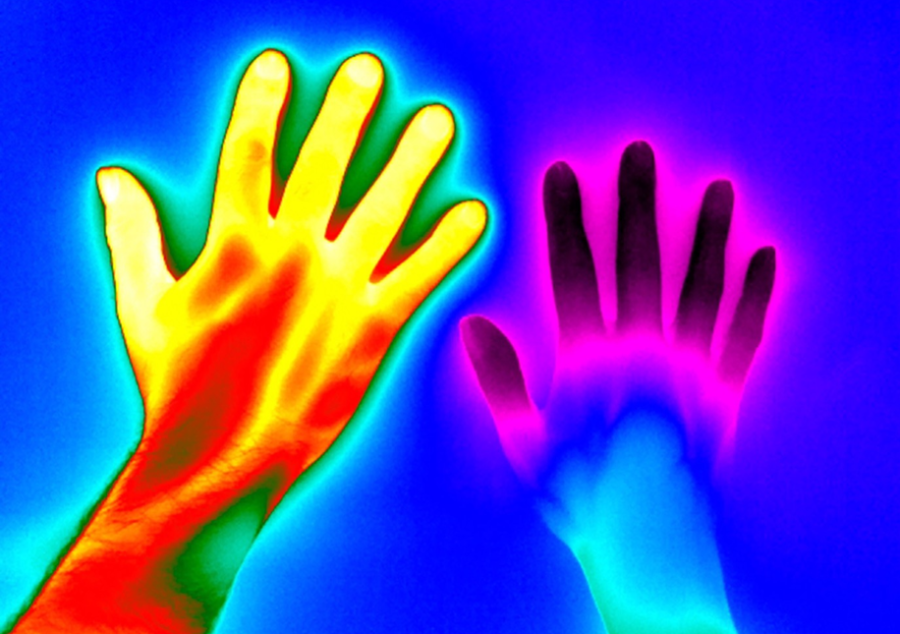
This presentation explores the historical framing of accidental deaths from hypothermia in post-war Britain, examining how these were increasingly framed as an ‘energy-management’ issue. Its target audience are students and staff interested in the intersecting histories of public health, poverty, and energy in post-war Britain.
In the early 1960s a new seasonal health crisis emerged in the UK, rising up the public health agenda as the temperature dropped - accidental hypothermia among the elderly. Hypothermia or cold injury were of course not entirely new concerns for health workers, the danger cold presented to infants, mariners and explorers had of course been the subject of research and health education before the 1960s. But after a bitterly cold winter and successful campaigning by GP and would-be liberal MP Jefferey Taylor, and consequent press interest, the plight of Britain’s shivering pensioners, freezing to death in inadequate unheated homes, became the subject of scientific, political and public concern.
Once discovered as a health problem, experts quickly scrambled to measure the scale of the issue, and began to reach for a variety of solutions to mitigate it, creating protocols and kits to deal with acute hypothermia in individuals, but also health education and benefit policies aimed at preventing its occurrence. As this paper will argue, these responses to hypothermia were never wholly medical, and recognised that the cold conditions which created hypothermia risk were partially the result of economic hardship and inadequacies of the UK’s housing stock and energy system. Indeed, while acute interventions such as the provision of blankets and hot food persisted as a response to hypothermia, as the 70s progressed, hypothermia was increasingly framed as an energy management issue – the fault of individuals’ failure to manage their heating needs and the associated financial costs, or the fault of the State’s inability to manage its energy and welfare system well enough to ensure economic and population health. As this more economic framing emerged, new publics experiencing dangerously cold conditions were recognised, with single parent families and children living in poverty increasingly prioritised.
In tracking how accidental hypothermia was framed and reframed across the 1960s and 1970s, this paper draws the history of health into conversation with a history of energy, particularly domestic heating, filling a lacuna in both areas of scholarship around the historical health impacts of Britain’s energy system.
Speakers
Rebecca Wright
Rebecca Wright is an Associate Professor in History at Northumbria University, Newcastle. She is the PI of the Wellcome Trust funded project, “Carbon Bodies: Warmth, and Fuelling Health in Britain, 1918 to 2022”. Her monograph, Moral Energy in America: From the Progressive Era to the Atomic Bomb was published by Johns Hopkins University Press this Spring.
Hannah J. Elizabeth
Hannah J. Elizabeth is a Research Fellow in the Faculty of Humanities at the University of Strathclyde, Glasgow. They are the PI on the Wellcome Trust funded project ‘A Transnational History of HIV/AIDS Denial: Origins, manifestations, and persistence, 1981 to the present’, but previously worked as the Research Fellow on ‘Carbon Bodies’. They have published widely on the history of public health and sexuality, especially around childhood, emotions and HIV.
Event notices
- Please note this event is virtual only.
- Please note that this session will not be recorded.
Admission
Contact