Part-time study: double the time, double the fun - A veterinary surgeon studying Public Health at LSHTM
18 February 2026 London School of Hygiene & Tropical Medicine London School of Hygiene & Tropical Medicine https://lshtm.ac.uk/themes/custom/lshtm/images/lshtm-logo-black.png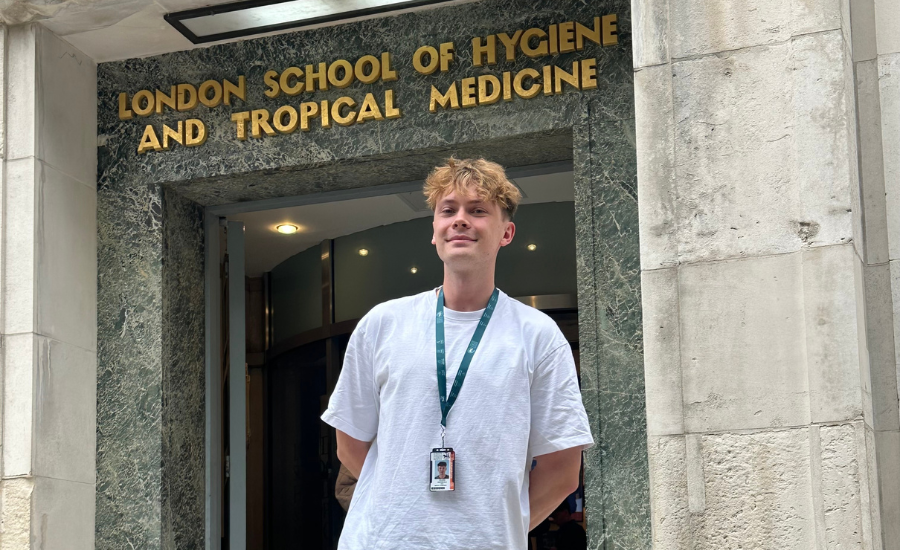
Finding my way to public health
Before starting my journey at LSHTM, I was not convinced that a master's in public health was the right path for me. I had already spent five years studying veterinary medicine, which felt like more than enough time in academia for a lifetime.
Once I began practising as a veterinary surgeon in the UK, however, my professional interests gradually shifted towards what I can only describe as the bigger picture. While animal health may seem very different from human healthcare, I quickly realised the opposite was true. Public health is a key part of veterinary practice, yet the idea of moving into a more human-centred public health space initially felt counterintuitive.
Everything changed when I attended an LSHTM Open Evening.
Seeing the breadth of opportunities, approaches, and real-world impact of public health was a turning point. For the first time, I could clearly see how this degree could complement my background rather than replace it.
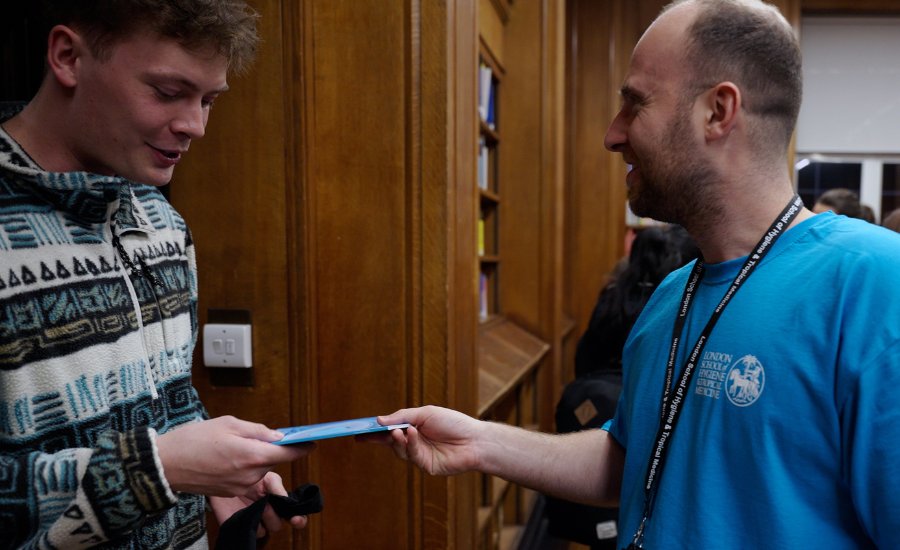
The MSc Public Health opened up a new landscape of clinical, social, and population-level thinking, while also challenging me to reflect on the transferable skills I was developing. Being part of such a diverse cohort, from clinicians and public health practitioners to social scientists and researchers, means that every day brings a new perspective and highlights just how interconnected public health really is.
Part-time study: double the time, double the fun
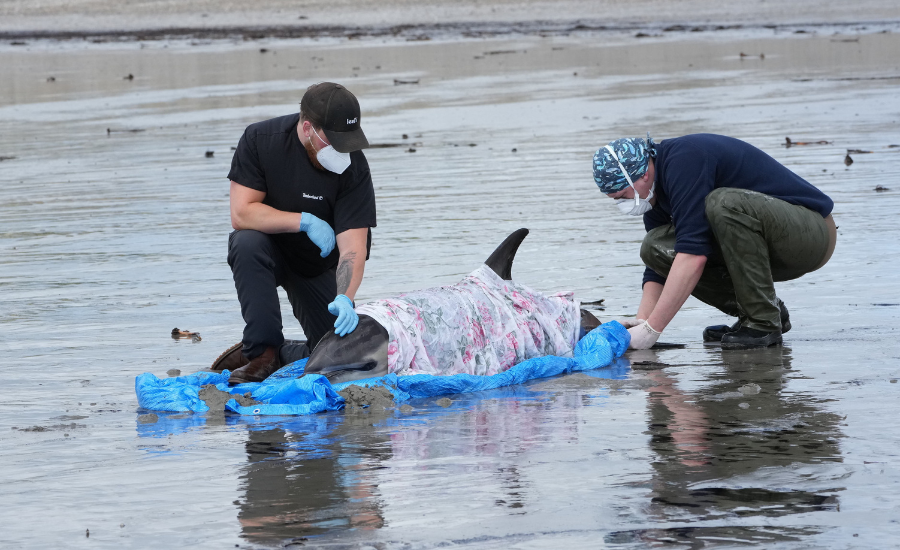
Alongside my studies, I work as a civil service vet for the Animal and Plant Health Agency, safeguarding biosecurity and protecting animal and plant health. This work ultimately supports human health, too. To stay connected to my veterinary profession while maintaining a realistic work-life balance, studying part-time at LSHTM felt like the right decision.
As a part-time student, I take the same number of modules as my full-time peers, spread over two years rather than one. While some people thrive on the intensity of a one-year programme, I quickly discovered several advantages to the part-time route. Having more time allowed me to approach my summer research project more thoughtfully, and spreading modules across two years reduced timetable clashes and increased flexibility in my module choices.
Another unexpected benefit has been the people. Studying part-time means engaging with two cohorts over two years, which has allowed me to build friendships with an even wider group of inspiring students. Even within my first year, I had already met people from a range of professional and cultural backgrounds, enriching my experience far beyond the classroom.
Applying and balancing work while studying
During the application process, I explored several study options. Alongside LSHTM, I also considered more specialised veterinary master’s degrees, including programmes at the Royal Veterinary College. Because I was working full-time, my initial instinct was to apply for distance learning, as the course content looked engaging and flexible. However, after further discussions with my employer, I realised I could adjust my work arrangements enough to commit to part-time, in-person study in London. Having that support made all the difference.
Balancing work, study, and personal life can certainly be challenging, but it is feasible. The programme is well structured, so you have a clear sense of the timetable in advance, which makes planning around work commitments much easier. As part of the part-time degree, I signed a waiver confirming that I could attend university for at least two days a week, and in practice, this has been accurate.
During busier periods, particularly around assessments, I was able to use study leave at work, which helped significantly.
LSHTM describes the MSc as intensive, and I can now fully see why. Despite this, I do not regret my decision at all. The intensity comes with a steep learning curve, and the amount of new knowledge and new perspectives I gain makes the experience genuinely enjoyable.
Transferable skills across professions
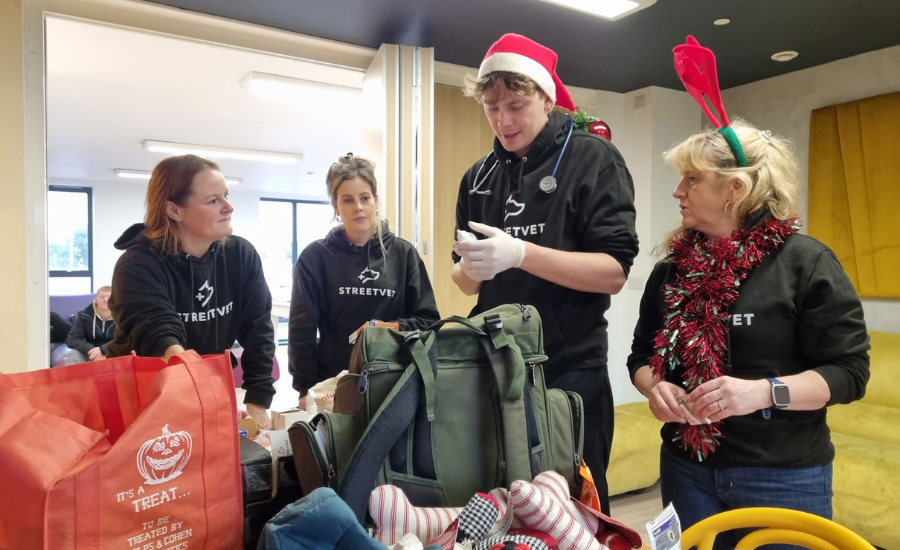
Human medicine, public health, and veterinary medicine are often viewed as separate worlds, but my experience has shown me how closely they overlap. Studying at LSHTM marks my second step into human healthcare. The first was during the COVID-19 pandemic, when I joined NHS frontline immunisation teams. I later retrained to support responses to other disease outbreaks, including Mpox and Polio.
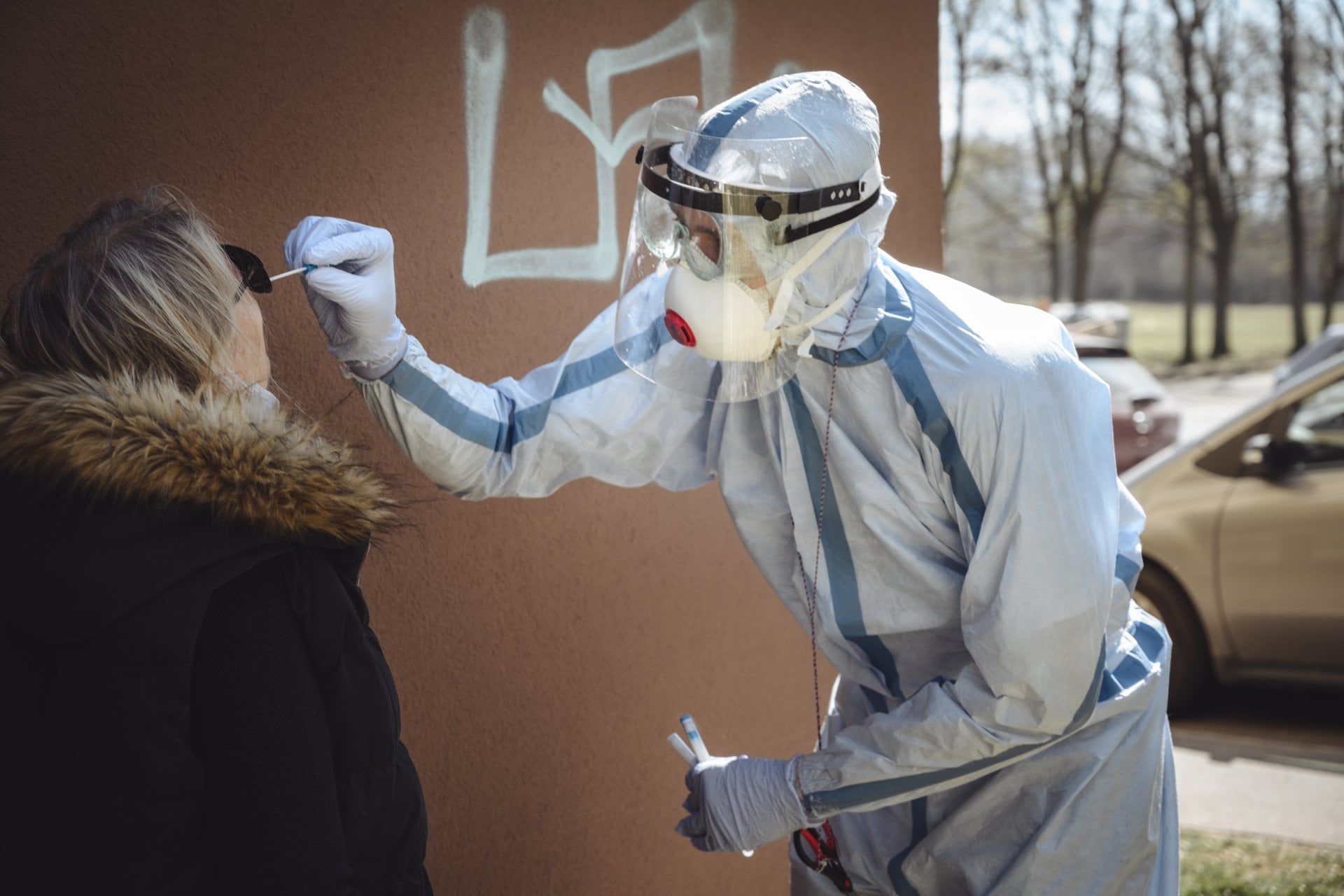
These experiences highlighted how common many of the challenges are across health professions. When facing issues such as antimicrobial resistance, emerging and re-emerging pathogens, or access to healthcare, the same principles apply. Teamwork, communication, and collaboration sit at the heart of effective responses. This is the essence of the One Health approach.
Although still considered a relatively novel concept, One Health is embedded across all LSHTM teaching. Topics like these are explored through core modules such as 'Issues in Public Health', where students are encouraged to share their backgrounds and perspectives. This makes discussions richer, more engaging, and highly relevant.
I particularly enjoyed the 'Health Systems' module, which challenged me to think critically about how complex healthcare delivery really is. It gave me a new lens through which to view the bigger picture, and helped me better understand where veterinary public health fits within it.
What's ahead
Looking back, my time working in human healthcare has made me a better vet, and I am confident that my veterinary background is now helping me grow into a stronger public health professional. I am grateful that I still have another year of study ahead of me, surrounded by such a diverse, supportive, and collaborative community at LSHTM.
In the future, I hope to continue working at the intersection of human and veterinary public health, advocating for stronger collaboration through policymaking and public engagement.
My advice
If I could offer one piece of advice to anyone considering this degree, especially those unsure whether they are the right fit or worried that part-time study might feel less engaging, it would be this. Do not underestimate what is possible. I hope my story encourages you to reconsider, even just a little, because I truly believe the LSHTM experience is worth it.
- Contact our student ambassadors.
- Students who do not require a student visa to study in the UK may have the option to study some MSc programmes part-time at LSHTM. Discover ways of study at LSHTM.
- Find out more about MSc Public Health.
- Understand the pros & cons of studying part-time in 90 seconds with Shereen & Lauren (Instagram).