LSHTM Student to Director at NITI Aayog - Urvashi's story
12 December 2025 London School of Hygiene & Tropical Medicine London School of Hygiene & Tropical Medicine https://lshtm.ac.uk/themes/custom/lshtm/images/lshtm-logo-black.png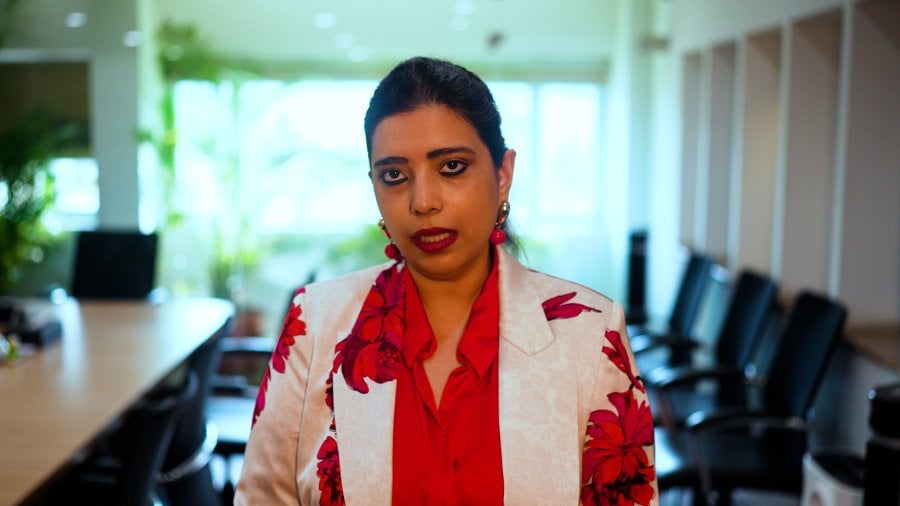
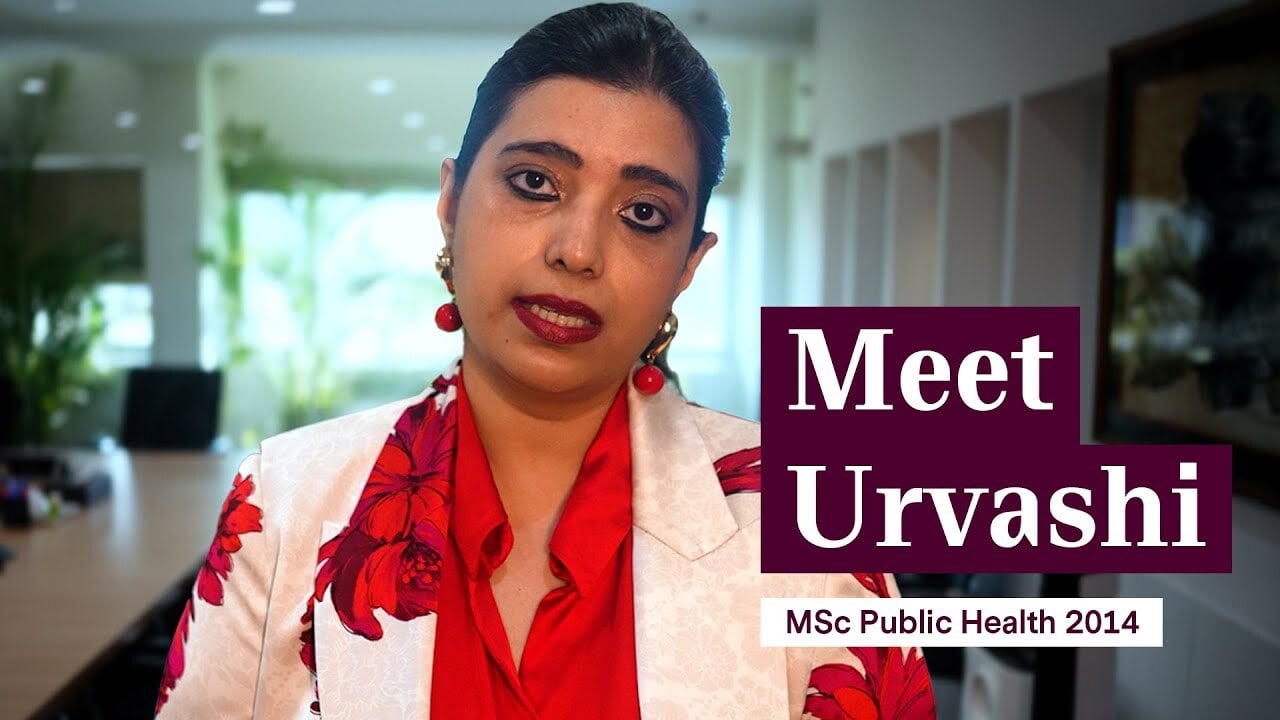
Recognised as one of India's most influential women in healthcare and policy, Urvashi reflects on how her LSHTM education shaped her path - from gaining world-class academic insights to taking on impactful leadership roles, including as Director at NITI Aayog, the Government of India's public policy think tank. Her story highlights the transformative power of an LSHTM education and how it equips graduates to make meaningful contributions to public health around the world. If you're passionate about improving health and shaping policy for the better, this video is for you.
What value do you think having a degree from LSHTM has?
As I came back again to India, I started working in the policy space, especially when the pandemic broke out. I could see that there was a lot of faith that people could place in somebody who had done their training at a school like LSHTM, and the degree you get from there has a lot of value for people who are associated with the healthcare sector in particular, but even people outside the sector notice when you say that that is where you studied.
What was your career path after LSHTM?
Most recently, I completed eight years at the NITI Aayog, the National Institution for Transforming India, which is the government's premier policy think tank, chaired by the Prime Minister. And I was the only professional there to have worked with all the three vice chairpersons. And I worked on a range of national and subnational health policy issues there. Currently, I'm advising different organisations on public health related strategies and programmes, and also writing my book on public health and policy in India.
Why did you choose LSHTM?
So I had some practical experience, but I really wanted a strong academic grounding to the work that I was doing. And I think that is what LSHTM gave me, is to really give me exposure to the cutting edge research, the evidence base, as well as the academic and theoretical underpinnings of public health, but also a lot of technical skills that I picked up, which I then subsequently used for instance, during my work on Covid, right from epidemiological modelling to health economics, related techniques. So I think it was a fantastic exposure to public health.
Does India need more public health graduates?
I think there's a tremendous need for more public health graduates. A majority of public health related work is still done by medical professionals, by medical doctors, and obviously that is not their core competence. And they already have a massive job to do in treating patients, and we do have a shortage of doctors and specialists, in fact, in the country. So public health, it's very important for people to understand that it is an entire discipline of its own, with tremendous potential, even when it comes to the kind of careers that one can pursue. The fact that it can be or it is quite distinct often from medicine. So I think we need a lot of public health graduates in the country.
- Watch Urvashi's video
- Learn more about applying to study at LSHTM from India
- Discover our programmes
- Contact our student and alumni ambassadors.