11 things I’d tell myself if I were starting my Masters at LSHTM all over again - Sidra's take
2 September 2025 London School of Hygiene & Tropical Medicine London School of Hygiene & Tropical Medicine https://lshtm.ac.uk/themes/custom/lshtm/images/lshtm-logo-black.png
When I think back to my first day at LSHTM, I can still remember the nervous excitement, clutching my timetable like it was a treasure map, wandering the corridors wondering if I was in the right lecture room, and mentally preparing for what I assumed would be the “toughest academic year of my life.”
Spoiler: it was tough… but it was also one of the most unexpectedly fun, surprising, and perspective-shifting years I’ve ever had.
If I could hop into a time machine and give myself some advice before my first day at LSHTM, here’s exactly what I’d say. Some of this I learned the hard way (looking at you, library all-nighters!) and most of it I wish someone had whispered to me over coffee at Pumphandle.
1. Your classmates are walking encyclopaedias, soak it all up
Before LSHTM, I thought my main learning would come from the lecturers. Yes, your lectures will give you the technical foundations, but the real magic happens when you swap stories with your peers. You’ll meet people who’ve worked in health systems you’ve only read about, and their experiences will completely reshape how you see public health.
One day you’ll hear about a cholera outbreak response in Haiti over lunch, and the very next day, someone will casually drop their experience running rural maternal health programmes in India. These conversations, often happening over slightly cold coffee in the café, will stretch your thinking and make you question your assumptions. Listen. Ask. Swap experiences. This peer-to-peer learning will shape you more than you realise.
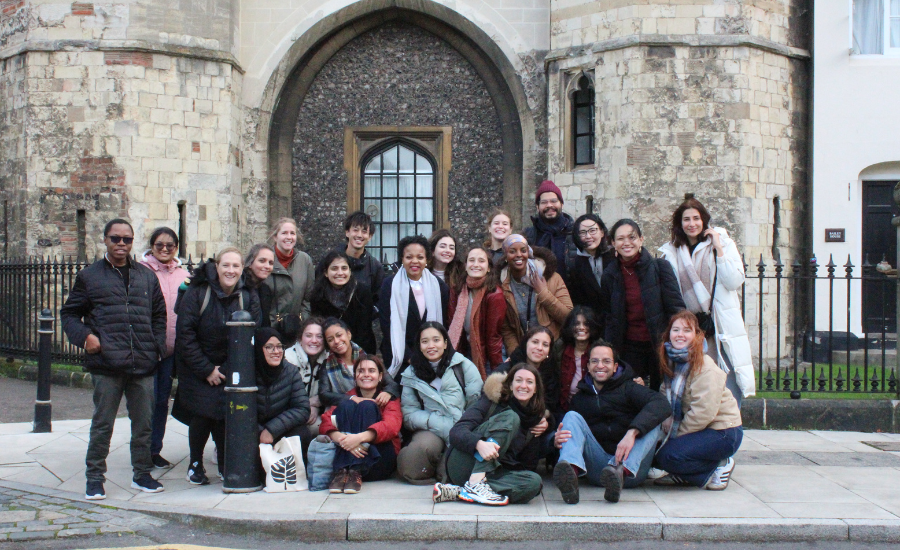
2. Ask the “silly” questions (they're never silly)
There will be moments when a lecturer says something, and your brain screams, “Wait, what?” You’ll glance around, convinced everyone else understands. They didn’t.
That “obvious” question? It’s the one half the room is too shy to ask. And when you do, there’s a collective sigh of relief.
Some of my best learning moments happened when someone finally asked the thing we were all too shy to say out loud. Sometimes that person was me, sometimes it wasn’t, but it always made the room collectively exhale in relief.
3. Seminars are where the magic happens
Lectures feed you the theory; seminars make you roll your sleeves up and wrestle with it. You’ll dive into case studies, debate different solutions, and sometimes leave more confused than you started, which is a good thing. It means you’re grappling with complexity, not memorising bullet points.
If lectures are learning the ingredients, seminars are when you actually get in the kitchen and start cooking. Don’t skip them.
4. Go to the socials (seriously, future-you will thank you)
I know, I know. There’s always more reading to do, more papers to annotate, another assignment lurking. But in ten years, you won’t remember that Wednesday night you stayed in to get a head start on your essay. You will remember the quiz night where your team’s knowledge of obscure WHO acronyms saved the day, or the cultural potluck where you discovered your classmate’s legendary dumplings. Academics are important. But so are the people you meet along the way, and those relationships grow outside the lecture hall.
5. Pick your modules for you, not for anyone else.
Ah, the module choice dilemma. You’ll want to do everything. The spatial epidemiology class sounds great, so does the economic analysis of health policy. And that electronic health records module? Tempting. But here’s the reality: you can’t do them all.
The best advice? Pick a mix of one or two you know you’ll absolutely enjoy, and one or two you know will stretch you and give you skills you really want to develop. And remember, your module choices only need to make sense to you.
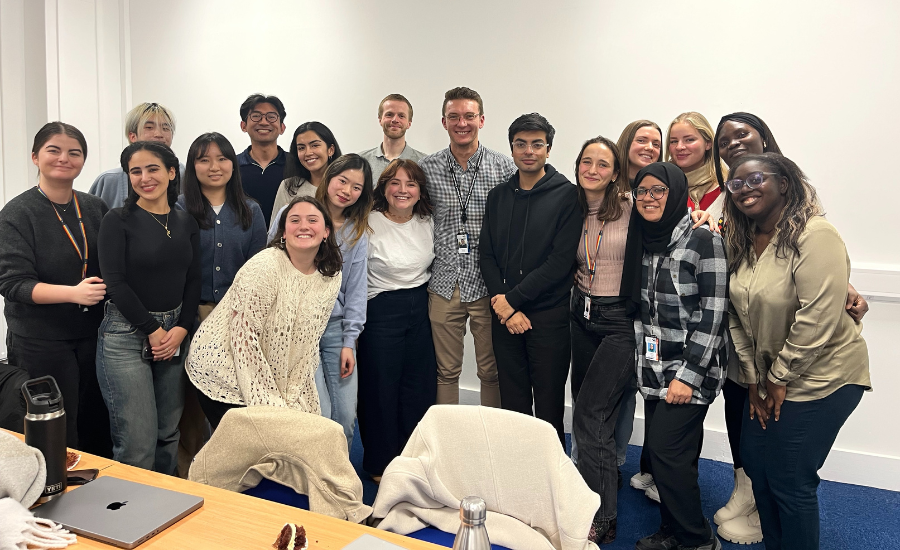
6. The Global Health Lecture Series is worth braving the winter darkness
Here’s a scene you’ll get very familiar with; it’s November, it’s dark by 4:30 pm, and your brain is begging for tea and a blanket. Resist that urge.
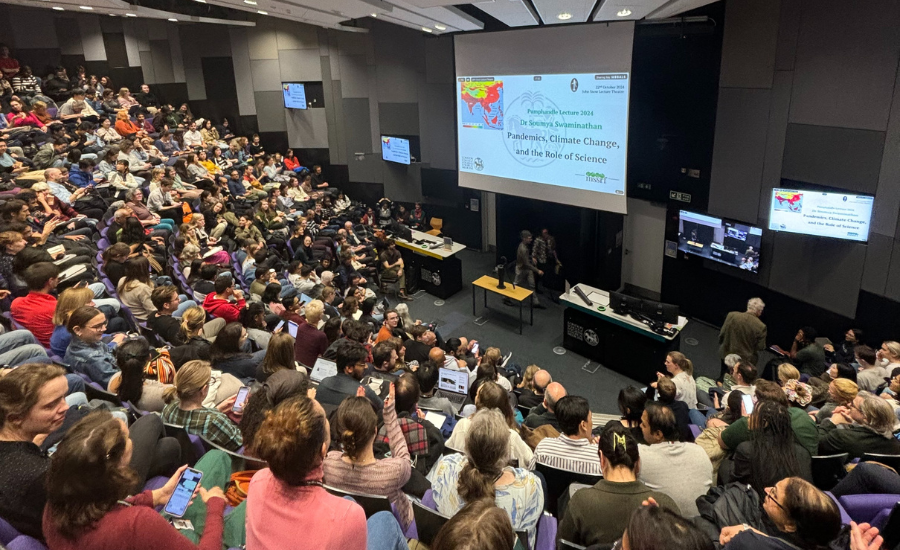
The Global Health Lecture Series is LSHTM at its best. Global leaders, sharp thinkers, and people who’ve been on the frontlines of change, all sharing insights you won’t get from your core modules. You’ll leave inspired, occasionally overwhelmed, and often rethinking your career plans entirely.
7. Milk the free resources like your tuition depends on it
This one, I really wish I had done better. LSHTM gives you access to some ridiculously expensive tools and training for FREE. STATA, NVivo, Microsoft Office, LinkedIn Learning, GIS training… the list goes on.
Block out a few afternoons just to explore what’s available and learn the basics. That line on your CV saying “proficient in GIS” or “experienced in NVivo” might just be the thing that gets you your next job.
8. Support is not just a buzzword here
You’ll hit bumps in the road as everyone does. Maybe it’s academic stress, maybe it’s adjusting to life in London, maybe it’s just homesickness on a grey day. LSHTM has actual, real people whose job is to help you navigate all of it: mental health support, academic guidance, and peer mentoring through your support group. You are not meant to power through on your own. Asking for help is not a weakness; it’s smart self-management.
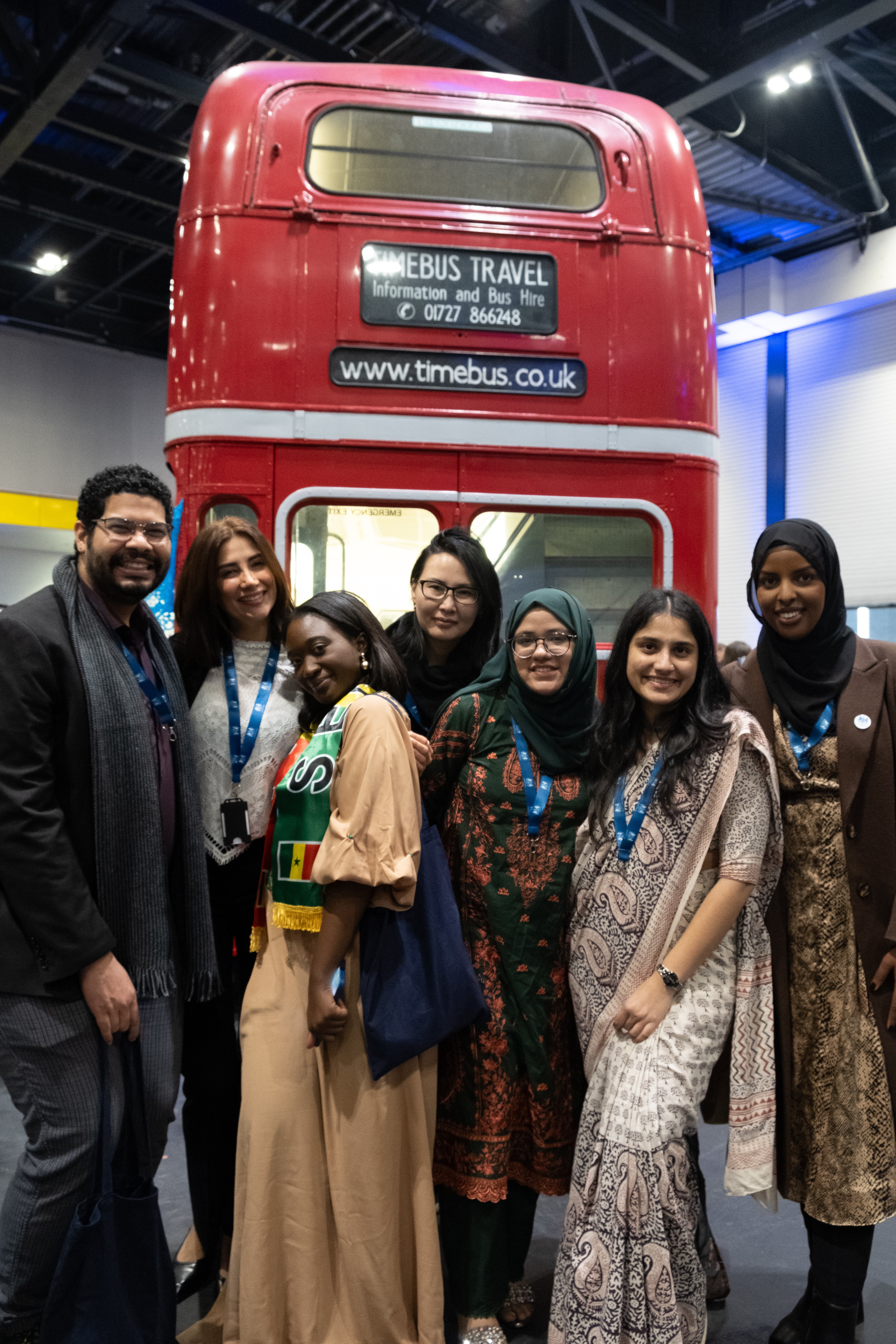
9. Befriend students from other programmes
It’s easy to stay in your little course bubble, but some of my favourite memories (and deepest conversations) came from students in completely different programmes. The person you meet at a random event might end up being your travel buddy, your future colleague, or the one who talks you through your dissertation panic. Public health is multidisciplinary by nature, and so should your social life.
10. Join a research centre (it’s like finding your academic home base)
LSHTM has research centres for almost every major public health area. If you’re passionate about something such as antimicrobial resistance, climate change, infectious diseases, among many others, joining a centre connects you with people who share your fire. Being part of one gives you access to talks, networking, and the kind of deep-dive conversations you just can’t have in a general lecture. Plus, it’s a great way to meet people whose eyes light up when you mention the same issues.
11. LSHTM is great, but so is London
Your MSc will be over in a flash, and it would be a crime to spend the whole thing indoors. Russell Square Park is perfect for sunny lunch breaks. The British Museum is practically your neighbour (and free!). Oxford Street’s chaos is an experience in itself. And the lunchtime food markets around campus? They’re a global culinary tour on your doorstep.
London will challenge you, charm you, and sometimes exhaust you, but it will also make your MSc year unforgettable.
Final word from future-me
This year will be intense, yes, but it will also be rich, surprising, and, if you let it, incredibly fun. Study hard but live fully. Because when it’s over, you’ll miss not just the lectures, but the late-night chats, the shared struggles, and the city that shaped you along the way.
- More from Sidra: 5 fun facts about MSc Public Health for Global Practice
- Discover MSc Public Health for Global Practice.
- Contact Sidra via our contact student & alumni ambassador page.
- Read: History of public health in London - A walking tour with Megan
- Learn more about Student Support Services at LSHTM.