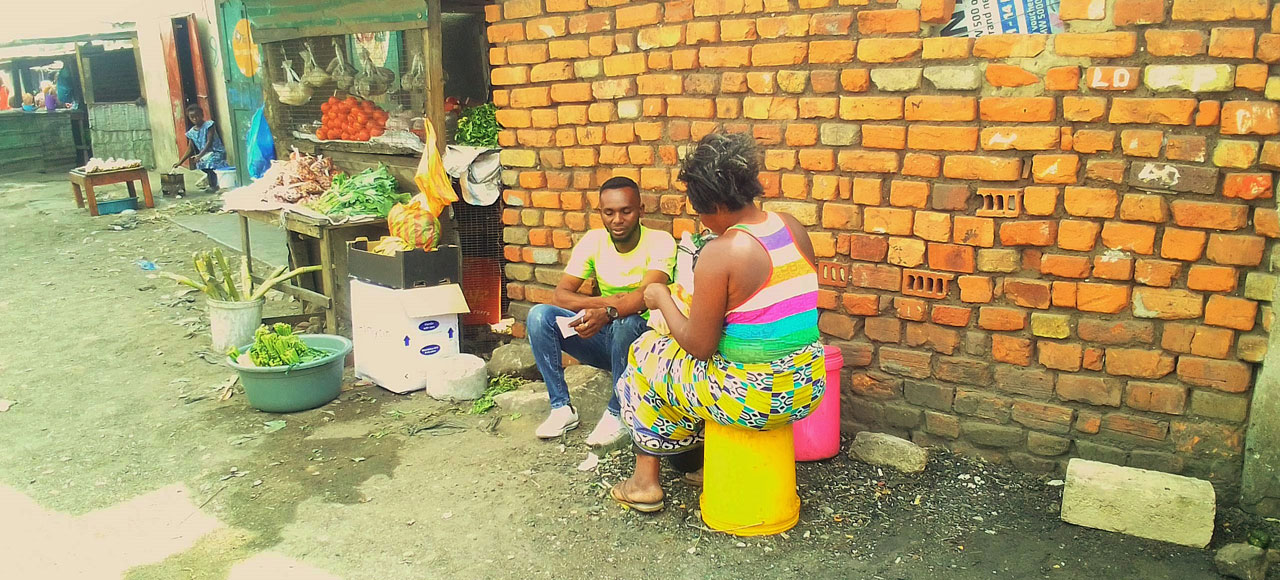






Yaba Guy Che is a five-year project seeking to demonstrate delivery of an integrated and co-designed system of providing equitable HIV, sexually transmitted infections (STIs), tuberculosis (TB) and non-communicable disease (NCD) preventative and care services for men using a model of strengthened community and primary health systems in a high HIV burden urban community through an international collaboration between researchers, policymakers, and the community.
This consortium brings together researchers, with interdisciplinary experience and expertise in community-based research, digital health research, HIV/STI research, community engagement, implementation and health systems research, health economics, and impact evaluation.
We are a multidisciplinary group made up of the London School of Hygiene & Tropical Medicine (LSHTM) (UK), the Institute of Tropical Medicine (ITM) in Antwerp (Belgium), University of Brighton (UK), Brighton and Sussex Medical School (BSMS), University Hospitals Sussex NHS Foundation Trust (UK) and Zambart (Zambia).
The consortium also brings together policymakers (Zambia Ministry of Health and National AIDS, STI and TB Council stakeholders), community members - through existing Community Advisory Boards (CABs) - and neighbourhood health committees (NHCs), and district medical health facility staff.
It is well-established that men in the Southern African region are less likely than women to access HIV, STI, TB and NCD testing and treatment within traditional clinic-based services, resulting in increased morbidity and mortality compared with women, and increased transmission of communicable diseases such as HIV, TB and STIs. Providing services in a way that is responsive to men’s health needs has the potential to substantially increase men’s access to treatment and preventative health services.
The consortium will conduct interrelated research studies to demonstrate how health systems in urbanised areas can be strengthened to deliver comprehensive health services including for HIV, STI, TB and NCD for men. We will do this by implementing and evaluating a co-developed community-based delivery of services to men, in a large, high-density urban community in Lusaka, Zambia. The intervention aims to achieve universal coverage of these services among men by complementing existing primary health service delivery through public facilities.
The implementation of the Yaba Guy Che intervention will be for 24 months during which the response to the intervention will be monitored and reviewed. The plausible impact of the intervention in reaching men with services will be evaluated through a before and after study design which will measure the difference in coverage before and after implementation using time-location sampling surveys and estimate costs of implementation.
Objectives
- Co-develop an integrated, digitally supported care pathway (“Yaba Guy Che”) with men, community members, healthcare workers and policy-makers.
- Deliver the Yaba Guy Che intervention and assess adoption, reach, fidelity, sustainability and scalability.
- Create a men’s peer monitoring group to strengthen community health system accountability and document how men experience the Yaba Guy Che intervention.
- Estimate the plausible impact of the Yaba Guy Che intervention on coverage of HIV and NCD services.
- Measure the effect of the intervention across the six building blocks of the health system and assess the cost and economies of scope of implementing Yaba Guy Che to inform scalability and sustainability.
eHealth Yabwela – a digital pathway to better health. The eHealth Yabwela study is an mHealth pathway co-designed, with young people, to expand and enhance comprehensive sexual and reproductive health services for young people in Zambia.
The eHealth Yabwela app is a patient-focused digital health pathway, gives patients access to their medical information directly from their healthcare provider. This helps facilitate better communication between patients and clinics, promotes engagement with one’s health data, and supports personalized care management. Available on Google Play and the App Store.
Formative Yaba Guy Che study
Yaba guy che "for the guys": Intervention co-development to increase men's HIV service use - Grant details - Europe PMC Professor Ayles, Helen | ORCID: 0000-0003-4108-2842 | London Sch of Hygiene & Tropic. Medicine (October 2021 to April 2023)
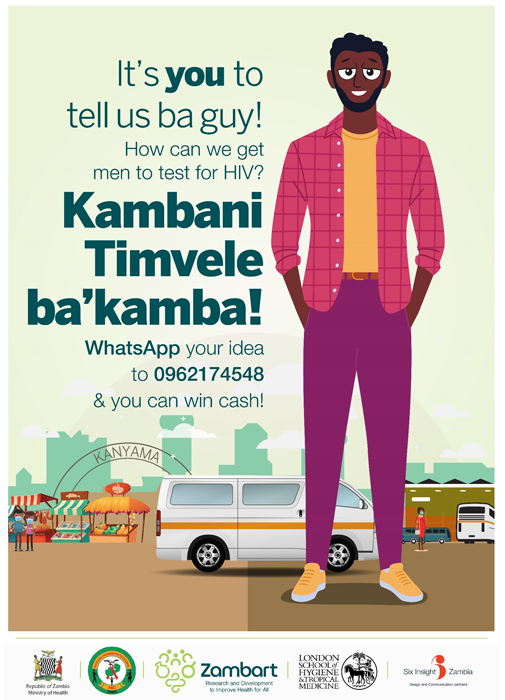
The study aimed to co-design, with men, healthcare workers and other stakeholders, a multi-component intervention that addresses factors related to how services are organized and delivered, norms of service use and lack of social support that hinder men’s access to HIV-related services.
Relevant publications
Co-producing access to care with young people living in Zambia through digital and vending machine-enabled innovation in sexual and reproductive health: A place-based, human-centred design research approach. Mary Darking ,Helen Ayles,Steve Belemu,Paloma Chausa,Francisco J. Gárate,Enrique J. Gómez,Melleh Gondwe,David Lane,Deborah Kaluba-Milimo,Monde Mwamba,Musonda Simwinga,Jennifer Whetham,Jaime H. Vera. Published: August 27, 2026
Knowledge of HIV status among men aged 20-35 years in Lusaka, Zambia: findings from a pilot time location sampling survey in the “Yaba Guy Che” (for the guys) study (in press) (TMIH).
How to (or how not to) implement crowdsourcing for the development of health interventions: lessons learned from four African countries. Eneyi E Kpokiri, Mwelwa M Phiri, Melisa Martinez-Alvarez, Mandikudza Tembo, Chido Dziva Chikwari, Farirai Nzvere, Aoife M Doyle, Joseph D Tucker, Bernadette Hensen. Health Policy and Planning, Volume 39, Issue 10, December 2024, Pages 1125–1131
Implementing Community Engagement for Combination Prevention: Lessons Learnt From the First Year of the HPTN 071 (PopART) Community Randomized Study. Simwinga M, Bond V, Makola N, Hoddinott G, Belemu S, White R, et al. Curr HIV/AIDS Reports 2016 134 [Internet]. 2016 Jul 12 [cited 2021 Aug 27];13(4):194–201.
Closing the gap: did delivery approaches complementary to home-based testing reach men with HIV testing services during and after the HPTN 071 (PopART) trial in Zambia? Phiri MM, Schaap A, Simwinga M, Hensen B, Floyd S, Mulubwa C, et al. J Int AIDS Soc [Internet]. 2022 Jan 1;25(1):e25855.
Yathu Yathu (“For us, by us”): Design of a cluster-randomised trial of the impact of community-based, peer-led comprehensive sexual and reproductive health services for adolescents and young people aged 15 to 24 in Lusaka, Zambia. Hensen B, Phiri M, Schaap A, Floyd S, Simuyaba M, Mwenge L, et al. Contemp Clin Trials. 2021 Nov 1;110:106568.
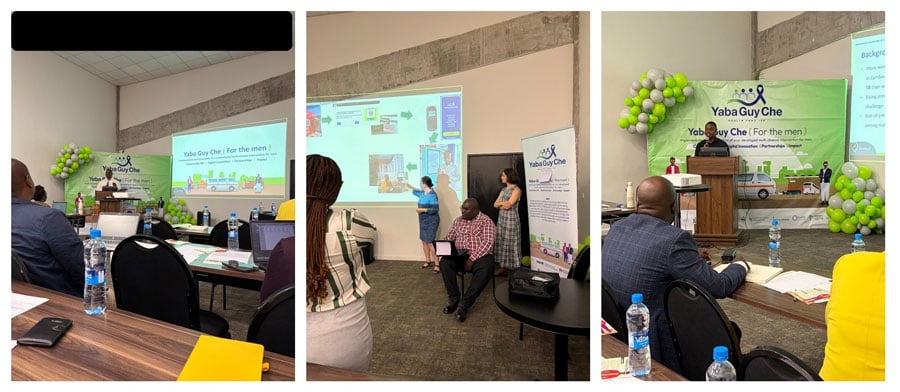
The Yaba Guy Che Study Launch and Planning Meeting was held in Lusaka, Zambia, from 26 to 29 May 2026, bringing together researchers, community representatives, health sector stakeholders, and consortium partners to formally launch the programme and align implementation plans.
The launch marked a significant milestone for the study, with partners reaffirming their commitment to delivering innovative, community-centred approaches that strengthen equitable access to integrated health services for men in Zambia.
The subsequent Planning Meeting provided an opportunity to present progress made to date and gather valuable feedback from stakeholders on the study design and implementation strategy. Discussions focused on community engagement approaches, preliminary findings from formative research, digital innovations, intervention delivery pathways, and plans for monitoring, evaluation, and learning.
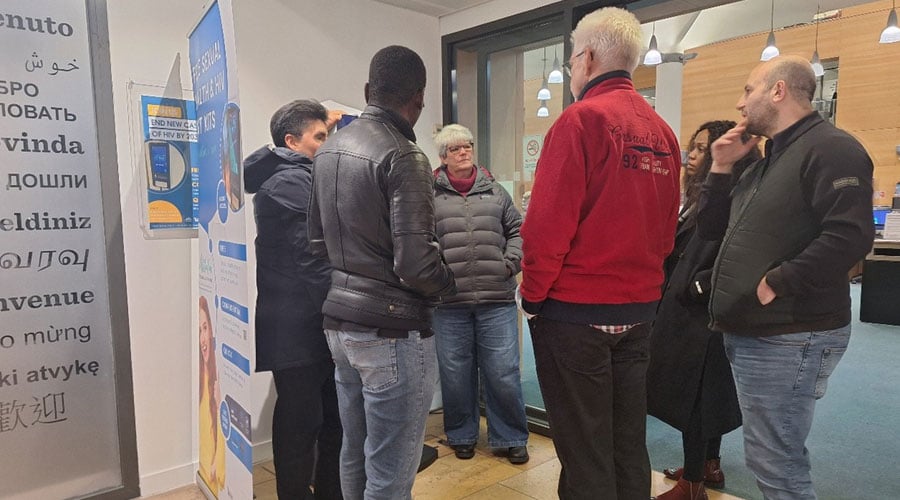
The Work Package 3 team held a productive meeting at the Old Ship Hotel in Brighton, making some key decisions to advance the systems analysis and design phase of the study. The team reviewed core processes, assessed options, and agreed next steps. The meeting also provided valuable in‑person time to progress plans for integrating vending machines with the Zambart Laboratory Management Team and Yaba Guy Che participant journeys.
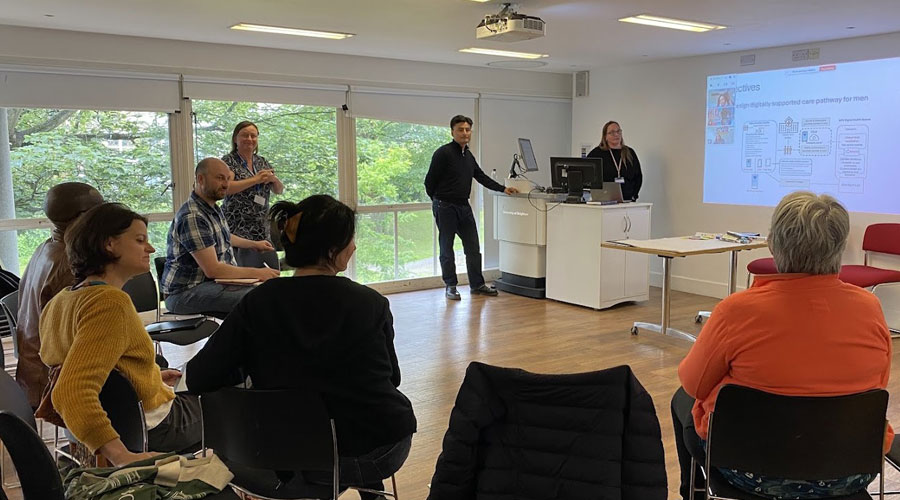
The Yaba Guy Che (YGC) start-up meeting took place in Brighton from the 5th to the 6th June, 2025. Collaborators from Zambia, Belgium, Brighton and London attended the meeting which was hosted by the University of Brighton, at their City Campus. During the meeting various aspects of the Yaba Guy Che project were covered, from finalising the design of the intervention to the co-designing of the digital health pathway and the broader overarching topics of project management and governance.
Specific sessions were led by the work package (WP) leads: Professor Helen Ayles and Dr Mwelwa Phiri (WP1 Coordination and Capacity Development), Dr Musonda Simwinga and Mr Stephen Chilobwa (WP2 Community-led Monitoring), Professor Jaime Vera and Principal Lecturer Mary Darking (WP3 Digital Health Systems), Professor Ginny Bond and Dr Mwelwa Phiri (WP4 Implementation and Systems Research) and Assistant Professor Bernadette Hensen and Professor Sian Floyd (WP5 Impact and Economic Evaluation). Mr David Lane, from EmERGE mHEALTH, was also present on the first day of the meeting to provide technical input on the delivery of the digital interface and discuss its specific functionalities.
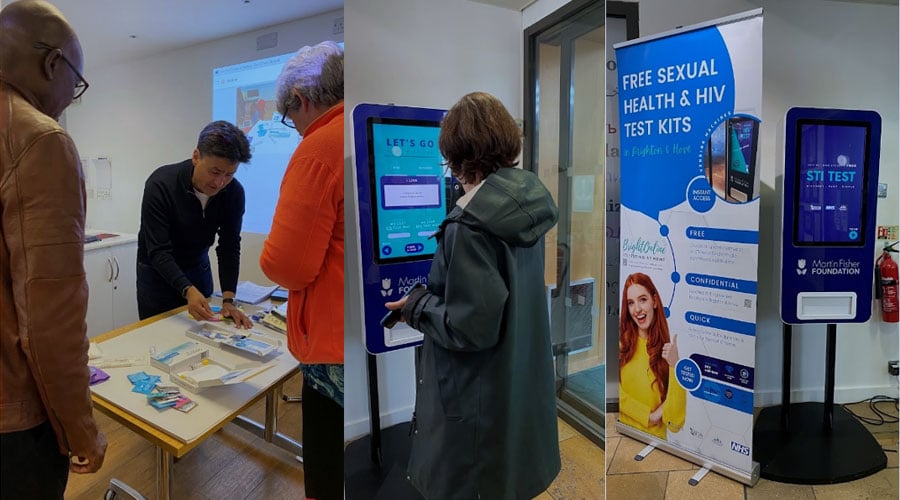
In order to understand better how study participants may engage when accessing booths, Dr Darking led a session that simulated possible user experience.
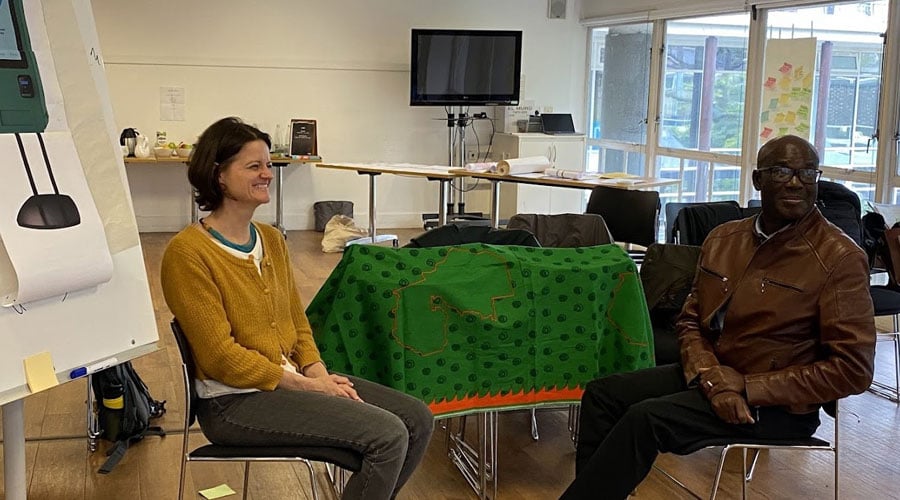
There was also a site visit – on foot - to Jubilee Library in Brighton to take a closer look at an operational model of the V24S vending machines which will provide complementary commodities (HIVST, condoms, STISS and airtime) at the study sites.