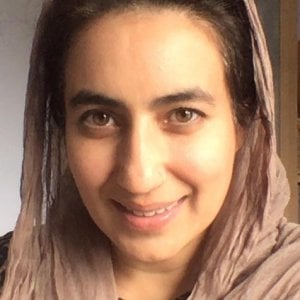
Dr Palwasha Khan
Clinical Associate Professor
London School of Hygiene & Tropical Medicine
United Kingdom
I am a clinician-scientist with specialist accreditation in Sexual Health and HIV Medicine and a background spanning infectious disease epidemiology, field research, data science and applied statistics. I hold an honorary consultant contract in HIV medicine in Cardiff and am Clinical Associate Professor at the London School of Hygiene & Tropical Medicine, where I am currently seconded to the Centre for Tuberculosis at the National Institute for Communicable Diseases in South Africa as Senior Clinical Epidemiologist, supporting national tuberculosis (TB) surveillance and research.
My research has focused primarily on understanding Mycobacterium tuberculosis transmission in high-burden settings; work that began with a Wellcome Trust-funded PhD in rural Malawi and has since expanded to include drug-resistant TB, HIV co-infection, and the social and structural determinants of infectious disease outcomes. As a field epidemiologist, my work has largely centred on host and environmental determinants of transmission and clinical outcomes. It has, however, become increasingly apparent that a deeper understanding of the causal mechanisms underlying transmission and the persistently suboptimal outcomes for people with drug-resistant TB requires the simultaneous consideration of pathogen-specific factors. Addressing these questions with the necessary rigour demands the integration of host, pathogen, and environmental data within a formal causal inference framework. It is this methodological integration that I aim to achieve through my recently awarded Wellcome Accelerator Award, with the aim to better understand the emergence and transmission of drug resistance, including resistance to newer agents such as bedaquiline and pretomanid, and the determinants of health outcomes in populations affected by TB.
I was fortunate to receive an MRC studentship for my MSc in Epidemiology at LSHTM, and in 2024 completed an MSc in Applied Statistics at the University of Strathclyde with Distinction; training that has deepened how I approach quantitative problems in my research. Underpinning all of my research is a deep commitment to doing science that is grounded in clinical reality, relevant to affected communities, and driven by their priorities and lived experience rather than our own.
Affiliations
Centres
Teaching
I have taught on a wide variety of courses in the in-house and distance learning MSc Epidemiology (previous module organiser for Epidemiology of Infectious Diseases), MSc Infectious Diseases, MSc Clinical Trials and East Africa DTM&H. I am currently module organiser for Statistical Methods in Epidemiology and currently co-leading the design of the new intermediate methods modules Intermediate Epidemiological Methods and Statistical Methods for Epidemiology and Population Health for the updated MSc Epidemiology.
Research
My research focuses on understanding how pathogen, host, and social factors interact to shape M. tuberculosis transmission and drug-resistant TB outcomes. My current research interests include better understanding the role of pathogen lineage and resistance-associated mutations in transmission risk and the emergence and spread of resistance to newer anti-TB drugs, socio-biological mechanisms driving disparities in exposure, susceptibility, and outcomes through the application of advanced causal inference and Bayesian methods using multi-level genomic, clinical and epidemiological data.
Through collaborations including NICD and partners in South Africa, Pakistan and the UK, I aim to move beyond “one-size-fits-all” approaches to TB control and seek to inform the design of locally tailored combinations of clinical and public health interventions that are epidemiologically appropriate, socially responsive, and operationally feasible in high-burden settings.
Selected Publications