Vaccine Centre holds retreat highlighting the importance of vaccines for safeguarding health
30 April 2026 London School of Hygiene & Tropical Medicine London School of Hygiene & Tropical Medicine https://lshtm.ac.uk/themes/custom/lshtm/images/lshtm-logo-black.png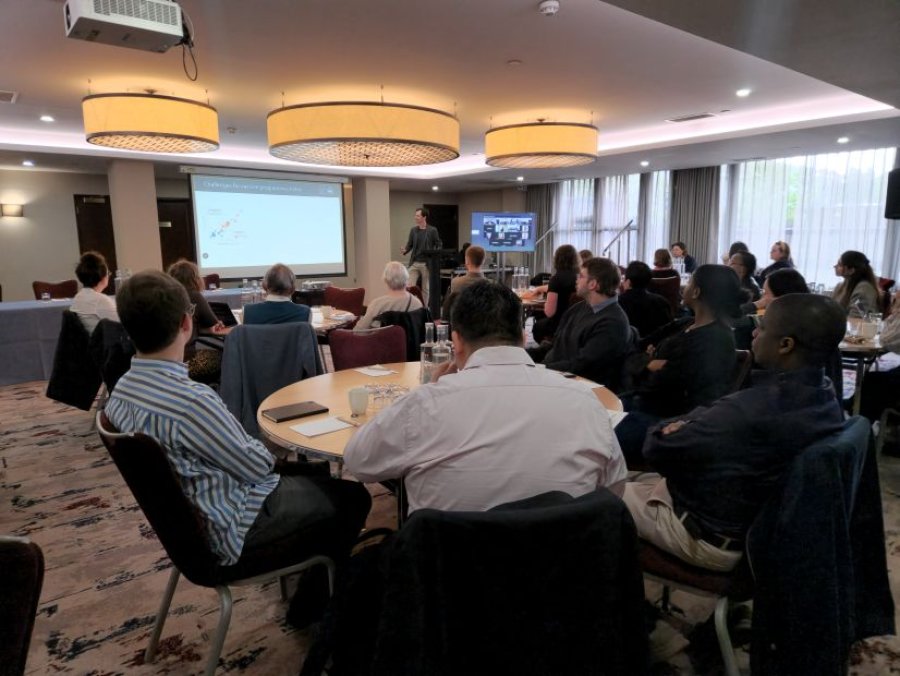
The Vaccine Centre recently held its latest retreat with parallel hubs in London, The MRC Unit The Gambia at LSHTM and MRC/UVRI & LSHTM Uganda Research Unit. The retreat brought together Vaccine Centre members (staff and doctoral students) and partners to explore key scientific, policy, and implementation challenges shaping vaccine development and delivery.
Designed to strengthen professional networks within and beyond the Centre membership, the programme featured keynote and short talks, interactive forums, and a lunchtime panel session, alongside presentations from Early Career Researchers (ECRs) and dedicated networking opportunities. The retreat concluded with a discussion on the future direction of the Vaccine Centre and actions to support its strategic priorities.
Falling within World Immunization Week 2026, the retreat aligned strongly with this year’s theme “for every generation, vaccines work”. For instance, researchers based in Uganda and The Gambia outlined how they are working to develop vaccines directly on the continent and to roll out clinical trials in their communities to ensure they can protect local people and families. Researchers also learnt about novel vaccine types, including micro-array patches that were first trialled by LSHTM researchers in The Gambia.
Twelve ECRs from across London, Uganda and The Gambia presented their ongoing work. Their projects aim to support efforts to ensure vaccines continue to safeguard health into the future. In The Gambia, early career researchers are exploring the immune response to Group A Streptococcus infections in school children. These data will play a key role in the future development of Strep A vaccines – a global priority identified by the World Health Organization. Similarly, early career researchers based in London are modelling the potential impacts of a global roll out of potential new TB vaccines, many candidates for which are currently in clinical trials. The research hopes to help countries and health agencies prepare their supply and logistics in the case of future roll outs.
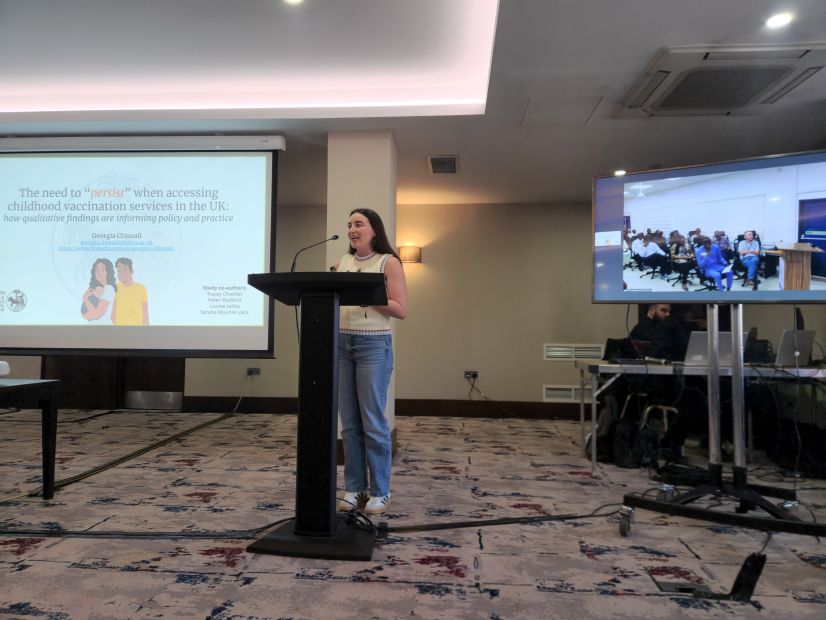
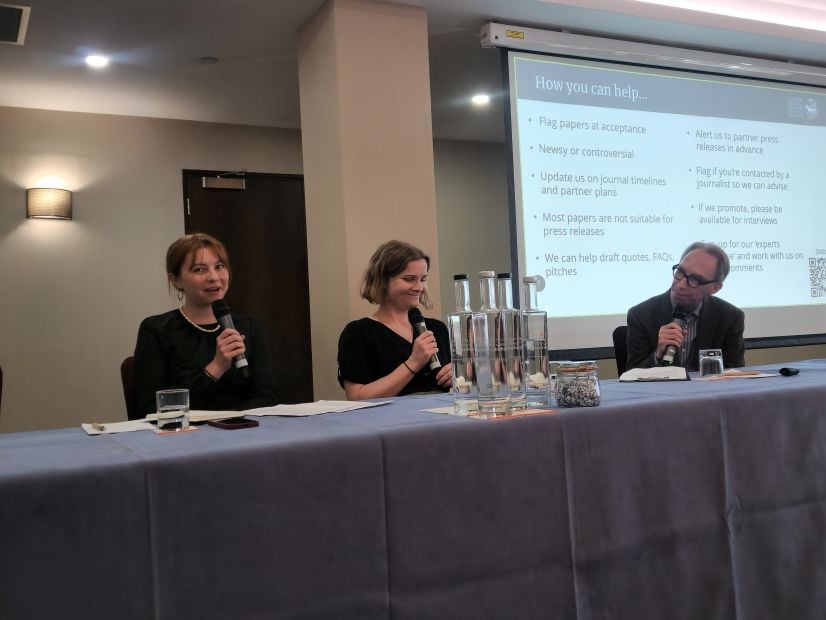
The retreat also featured talks and discussions around the importance of communicating the success of vaccines in public communications to combat misinformation and fill accessible information voids. The presentations covered various topics including how to harness both social media and traditional media outlets to explain the benefits of vaccines to non-experts. The presentations and panel discussions highlighted that good communication is essential to maintaining trust in vaccines. This trust underpins efforts to safeguard global health.
A particular highlight was a plenary talk from former Argentinian Minister for Health Professor Carla Vizzotti who presented her insights on the policy, regulation & implementation processes for vaccines, using Argentina’s RSV vaccine roll out process as a case study.
Dr Muhammed Afolabi, Centre Co-Director, said: “The VaC retreat was important as it was held at a time of global uncertainty, marked by dwindling research funds, ongoing conflicts and crises, and widespread vaccine misinformation. However, it’s not all gloom and doom, as many positive developments are still happening; the meeting showcased colleagues’ outstanding work across a range of areas, including for the first time, vaccine researchers from three hubs—London, MRC Units in The Gambia, and Uganda—along with other overseas sites. The strategy session also offered a thought-provoking glimpse into the future ensuring the Centre remains relevant and resilient.”
Dr Julius Hafalla, Centre Co‑Director, said: “Bringing colleagues together across our three hubs is essential for setting a clear direction for the Centre. The retreat showed the strength of our collective expertise – from platform science to field delivery and public communication – and how these pieces need to work together if we want our research to have real impact. The discussions will help shape our priorities for the year ahead.”
If you enjoyed this article and would like to build a career in global health, we offer a range of MSc programmes covering health and data, infectious and tropical diseases, population health, and public health and policy.
Available on campus or online, including flexible study that works around your work and home life, be part of a global community at the UK's no.1 public health university.