Nurse and pharmacist prescribing could improve access to care, review finds
18 May 2026 London School of Hygiene & Tropical Medicine London School of Hygiene & Tropical Medicine https://lshtm.ac.uk/themes/custom/lshtm/images/lshtm-logo-black.png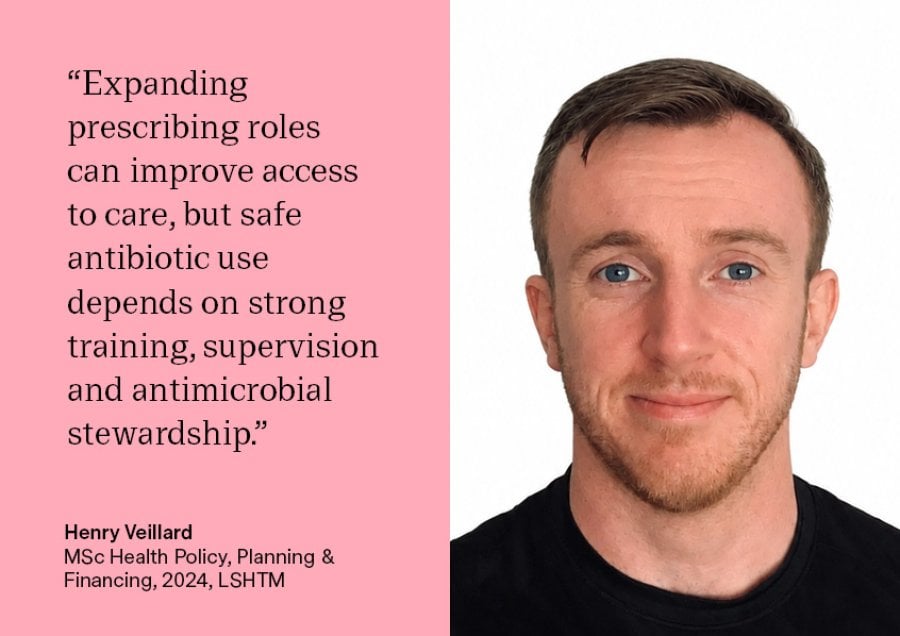
Nurses and pharmacists are playing an increasingly important role in prescribing antibiotics in primary care, helping improve access to treatment and patient satisfaction while easing pressure on GPs, according to a study led by the London School of Hygiene & Tropical Medicine (LSHTM).
Published in the journal JAC-Antimicrobial Resistance, the systematic review examined evidence from 20 studies across nine countries to assess the effects of expanding antibiotic prescribing rights to health professionals other than doctors such as nurses, pharmacists and physiotherapists.
The researchers found that while doctors still prescribe the vast majority of antibiotics, prescribing by non-medical professionals is increasing steadily in countries including England, Australia and New Zealand. In England, non-medical prescribers accounted for 6.5% of all antibiotic prescriptions, while in Australia they accounted for 3.2%.
The study also found that patients generally reported positive experiences when receiving care from non-medical prescribers, particularly where access to doctors was limited or waiting times were long. Patients valued quicker access to care and the ability to receive treatment without needing a referral to a GP.
Researchers say the findings are particularly relevant as health systems face growing workforce pressures and rising demand for primary care services. Programmes such as England’s NHS Pharmacy First scheme are increasingly relying on pharmacists and other professionals to manage common conditions that may require antibiotics.
The review also identified challenges linked to expanding prescribing roles. In some settings, researchers found concerns around inappropriate antibiotic use, lack of training, weak regulatory oversight and tensions between professional groups. The study highlights the importance of continuing professional development, clinical supervision and clear prescribing guidance to support safe antibiotic use and antimicrobial stewardship.
The authors also found that job satisfaction among non-medical prescribers improved when healthcare professionals felt supported by colleagues and were able to manage a patient’s full episode of care. But increased workloads without additional support or recognition could negatively affect morale and retention.
Henry Veillard, lead author and former MSc student at LSHTM, said: “Expanding prescribing roles for nurses, pharmacists and other non-medical healthcare professionals has the potential to significantly improve access to care and enhance the patient experience, particularly at a time when primary care services are facing increasing pressure.
“Our review found that many patients value being able to access timely treatment closer to home, often without the need for additional GP appointments or referrals. However, the safe and effective use of antibiotics depends on more than simply expanding prescribing responsibilities.
“Appropriate training, ongoing professional development, clinical supervision and strong antimicrobial stewardship frameworks are essential to ensure antibiotics are prescribed safely, appropriately and consistently across healthcare settings.”
Publication
Veillard H, et al. Antibiotic prescribing by non-medical healthcare professionals in primary care: a systematic review of effects on antibiotic use, patient experience, interprofessional relationships and job satisfaction. JAC-Antimicrobial Resistance, 2026. DOI: https://doi.org/10.1093/jacamr/dlag050
If you enjoyed this article and would like to build a career in global health, we offer a range of MSc programmes covering health and data, infectious and tropical diseases, population health, and public health and policy.
Available on campus or online, including flexible study that works around your work and home life, be part of a global community at the UK's no.1 public health university.