New study shows shifting typhoid resistance in India
28 April 2026 London School of Hygiene & Tropical Medicine London School of Hygiene & Tropical Medicine https://lshtm.ac.uk/themes/custom/lshtm/images/lshtm-logo-black.png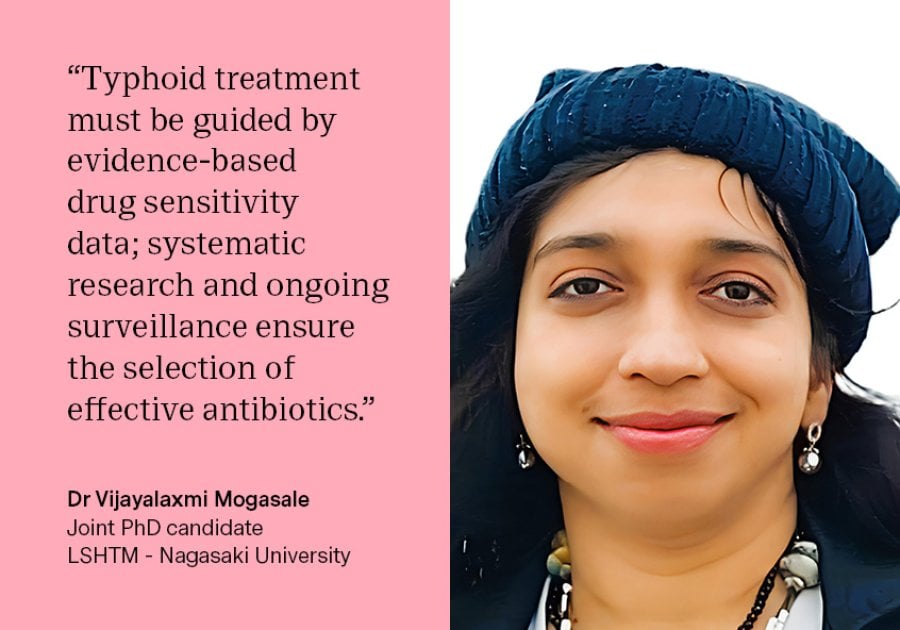
A comprehensive new analysis of typhoid in India has revealed how antibiotic resistance has changed over time, offering both reassurance and a warning for the future of treatment.
Researchers at the London School of Hygiene & Tropical Medicine reviewed data spanning nearly five decades (1977–2024) to understand which antibiotics still work against Salmonella Typhi, the bacteria that cause typhoid fever.
The study, published in the PLOS Neglected Tropical Diseases, shows that multidrug resistance (MDR), which made several commonly used antibiotics ineffective in the 1990s, has now declined to almost zero in recent years. This suggests that older, first-line treatments could potentially become useful again.
However, the study also highlights ongoing challenges. Resistance to fluoroquinolones, a widely used class of antibiotics, rose sharply over time, peaking at around 85% between 2015 and 2019. While this has started to decline slightly, resistance levels remain high, meaning these drugs are still less reliable for treatment.
The antibiotics currently recommended for typhoid treatment, such as third-generation cephalosporins and azithromycin, continue to show low levels of resistance, making them effective options for now.
The study also found that resistance patterns in children closely mirror those in adults, and that trends vary across different regions of India. This suggests that both national and local data are important for guiding treatment and vaccination strategies.
Dr Vijayalaxmi Mogasale, Joint PhD Candidate, LSHTM-Nagasaki University and first author of this paper, said: “Antibiotic prescriptions for typhoid fever should be informed by up-to-date, evidence-based resistance patterns. In situations where access to newer antibiotics is limited, older ones can still work if tests show the bacteria are sensitive. Systematic research and continuous surveillance of antibiotic resistance patterns are critical for effective typhoid control.”
Overall, the findings highlight a constantly evolving picture. As bacteria adapt to the antibiotics used against them, treatment strategies must also change. The researchers emphasise the importance of ongoing surveillance, responsible antibiotic use, and the rollout of typhoid conjugate vaccines to stay ahead of resistance.
Publication:
Mogasale VV et al. Burden of antimicrobial resistance in culture-confirmed Salmonella Typhi isolates in India from 1977 to 2024: A systematic review and meta-analysis. PLOS Neglected Tropical Disease, 2026. DOI: https://doi.org/10.1371/journal.pntd.0014206
If you enjoyed this article and would like to build a career in global health, we offer a range of MSc programmes covering health and data, infectious and tropical diseases, population health, and public health and policy.
Available on campus or online, including flexible study that works around your work and home life, be part of a global community at the UK's no.1 public health university.