Menstrual health project for women and girls with disabilities wins innovation award
3 December 2025 London School of Hygiene & Tropical Medicine London School of Hygiene & Tropical Medicine https://lshtm.ac.uk/themes/custom/lshtm/images/lshtm-logo-black.png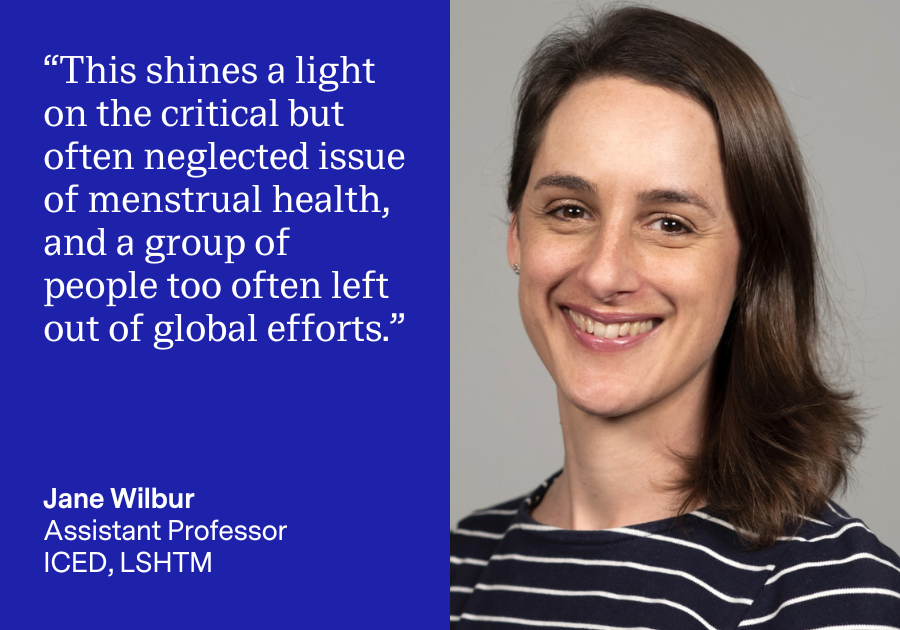
Announced on the International Day of Persons with Disabilities, the Zero Project 2026 awards celebrate scalable innovations that advance accessibility, Information and Communication Technologies, and crisis response around the world. The Veivanua campaign now stands alongside awardees from 51 countries as an example of evidence-driven and community-led innovation which ensures people with disabilities are not left behind before, during and after emergencies.
The campaign responded to the critical gap in promoting menstrual health in a humanitarian setting, where access to supplies, privacy and supportive environments is often disrupted. For women and girls with disabilities, these challenges are even greater because there were no tailored approaches to support dignified and hygienic menstrual practices.
Vanuatu is one of the most disaster-prone countries in the world, highly exposed to cyclones, earthquakes, volcanic eruptions, and flooding. Its small size, location in the ‘Pacific Ring of Fire’ and limited coping capacity leave the population particularly vulnerable to the impacts of extreme natural events. During the delivery of the Veivanua campaign, the country experienced two category five cyclones and COVID-19.
Veivanua was adapted from the Bishesta campaign, originally developed in Nepal to strengthen communication, confidence and practical skills for achieving menstrual health among women and girls with intellectual disabilities, and their caregivers. Working with communities and humanitarian actors, World Vision Vanuatu and the International Centre for Evidence in Disability (ICED) at LSHTM re-designed the intervention for a crisis context, ensuring resources were culturally relevant and could be delivered safely following emergencies, such as cyclones and volcanic eruptions.
The Veivanua campaign combined structured learning sessions with accessible communication materials and practical menstrual health kits. It aimed to promote dignity, confidence and independence, while also informing and supporting caregivers.
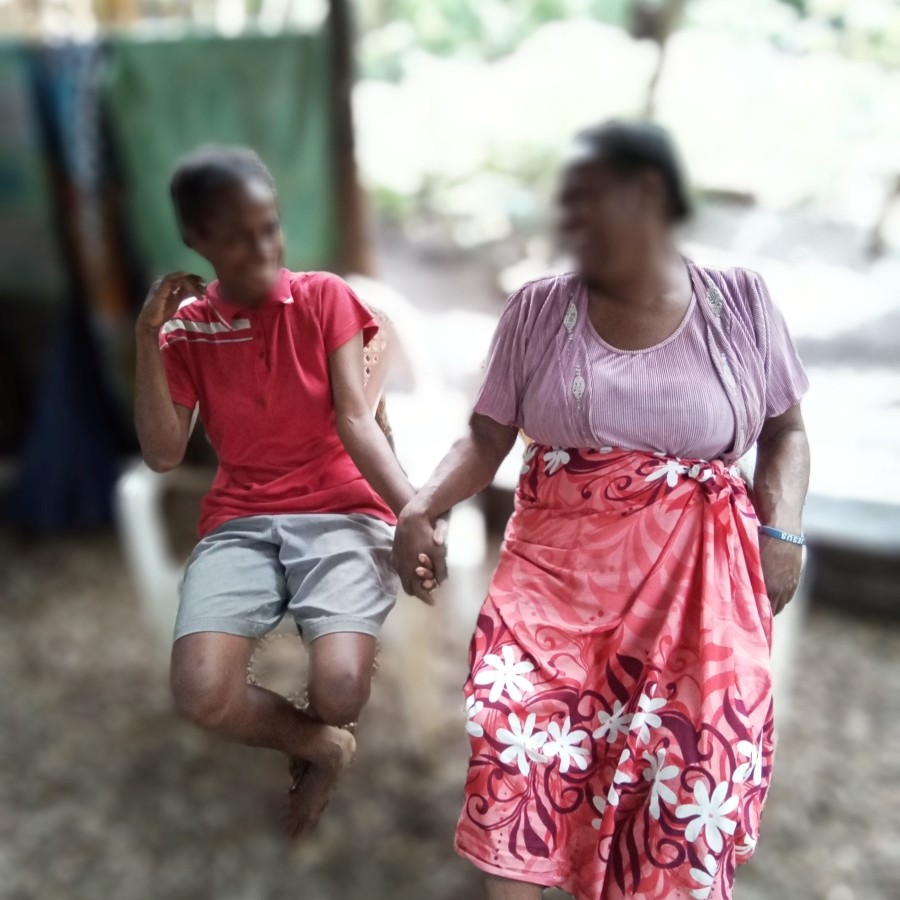
The research, led by ICED’s Dr Jane Wilbur, assessed the feasibility of delivering the intervention in humanitarian settings and examined its early outcomes. The evaluation found that Veivanua improved knowledge among participants and caregivers, strengthened confidence and independence, and supported positive family relationships. It also generated practical lessons for scaling the approach in future emergency responses.
Dr Wilbur said: “I am delighted that the Veivanua campaign has received this prestigious award. This recognition shines a light on the critical but often neglected issue of menstrual health, and a group of people too often left out of global efforts. Now, it is ready to be adapted to different settings for the benefit of many more women and girls with disabilities.”
Kristie Urich, Water, Sanitation and Hygiene Technical Director at World Vision, said: “People with disabilities are at even greater risk of being overlooked in an emergency. The Veivanua Campaign helped us learn how to support the menstrual health needs of women and girls with intellectual disabilities during emergencies. It's a huge step forward in disability-inclusive emergency preparedness and response.”
While the project has concluded, its recognition through the Zero Project Award 2026 emphasises the value of disability inclusion in menstrual health management and crisis response programmes.
More information
- Read about the Zero Project awards: https://zeroproject.org/view/project/7515a4fc-0c51-f011-877b-6045bddd5972
- The findings from the project were published in PLOS Global Public Health: https://journals.plos.org/globalpublichealth/article?id=10.1371/journal.pgph.0002244
- Learn about the campaign and award on World Vision's website: https://evidence.worldvision.org/news-and-insights/world-vision-programs-in-vanuatu-and-malawi-receive-2026-zero-project-awards-for-disability-inclusive-innovations/
If you enjoyed this article and would like to build a career in global health, we offer a range of MSc programmes covering health and data, infectious and tropical diseases, population health, and public health and policy.
Available on campus or online, including flexible study that works around your work and home life, be part of a global community at the UK's no.1 public health university.