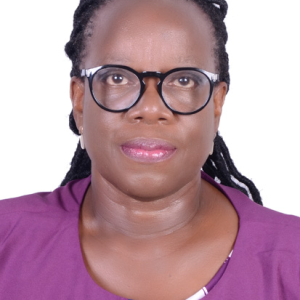
I am a Principal Research Scientist in Immunology and a nationally and internationally recognised leader in vaccine development, viral immunology, and epidemic preparedness, with over two decades of high-impact scientific leadership. My research focuses on understanding immune correlates of protection against emerging and re-emerging viral diseases and translating this knowledge into innovative vaccines, immunotherapies, and diagnostics. I lead multidisciplinary, high-performing teams in Uganda and across Africa, collaborating with global partners to advance solutions for some of the most pressing global health threats.
I currently serve as Strategic Lead for the Vaccines for Viruses and Viral Pathogens Research Themes at the MRC/UVRI & LSHTM Uganda Research Unit, where I direct national and regional immunology and vaccine development programs, including pioneering work on COVID-19 immune profiling, Ebola, Marburg, Mpox, HIV, and Rift Valley Fever vaccines and natural infection. I am the Principal Investigator of VacICoP, a landmark Wellcome-CEPI-funded study to establish immune correlates of protection for Marburg virus vaccines, and I am a co-investigator on the complementary CEPI-Wellcome initiative on Ebola vaccines correlates of protection. These efforts position me at the forefront of global epidemic and pandemic preparedness.
As Principal Immunologist and laboratory Director of the CEPI Centralized Laboratory Network (CLN) at UVRI, I oversee the development, validation, and standardisation of key immunological assays (ELISA, ELISpot, Neutralization, Luminex, PRNT) to support Phase I–III vaccine trials for high-consequence pathogens. I serve on CEPI's Global Centralized Laboratory Network Advisory Council (GCAC) and WHO CoViNet, contributing to shaping international assay standards and guiding vaccine updates, including for the SARS-CoV-2 JN.1 variant.
I have demonstrated leadership in advancing Africa's role in global vaccine evaluation, including spearheading Uganda's first inactivated COVID-19 vaccine initiative, leading immunogenicity evaluations for COVAC-1 and PrEPVacc clinical trials, and initiating monoclonal antibody (mAb) discovery for emerging viral pathogens in collaboration with King's College London, NIH, and La Jolla Institute for Immunology. My contributions to the vaccine platform evaluation, assay development, and immunogenicity studies are internationally recognised, with a robust track record of over 47 high-impact peer-reviewed publications, including seminal studies on SARS-CoV-2 immune profiling and HIV broadly neutralising antibodies (bNAbs).
Committed to scientific capacity building, I have established and led regional and national training programs in advanced immunological assays, biosafety, and outbreak readiness, with strategic mentorship of MSc and PhD students and regional training collaborations in DRC, South Sudan, Burundi, and beyond. My mentorship has nurtured future scientific leaders, contributing to sustainable research excellence and preparedness for epidemic threats across Africa.
In recognition of my outstanding scientific contributions and leadership, the President of Uganda (2025) recently awarded me the National Diamond Jubilee Medal for my contributions to science and national development. The Bill & Melinda Gates Foundation also nominated me for the prestigious Calestous Juma Science Leadership Fellowship for my impactful work in breakthrough research and global health leadership.
My profile reflects outstanding scientific leadership, impactful research contributions, and an unwavering commitment to advancing global health, particularly through vaccine development and epidemic preparedness. I bring to the MRC/UVRI Research Unit a proven record of scientific innovation, capacity building, and strategic leadership that advances the & LSHTM Uganda Unit’s mission in global health research and education.
Affiliations
Teaching
As a Principal Scientist in Immunology, I have demonstrated sustained leadership in capacity building, mentorship, and teaching, with a deep commitment to developing the next generation of immunologists and vaccinologists, particularly across Africa. Over the past 10 years, I have supervised and mentored over 15 MSc and PhD students, guiding them through high-impact research projects that have led to multiple peer-reviewed publications and strengthened their scientific careers. My mentorship approach is personalised, structured, and hands-on, ensuring that each mentee receives tailored guidance in research design, assay development, data analysis, and scientific writing. To maintain quality mentorship, I limit my mentee cohort to four per year, enabling focused attention to their professional growth.
I have been instrumental in developing regional and institutional research capacity through the establishment of advanced immunological assay platforms at UVRI, including ELISA, ELISpot, Luminex, Pseudovirus Neutralisation, and single-cell RNA sequencing (scRNAseq). I have designed and led annual Advanced Immunology and Immunoassay Training Workshops, reaching a broad audience of early-career scientists, laboratory technologists, and postgraduate trainees. These workshops provide practical skills in cutting-edge immunological assays, monoclonal antibody discovery, and advanced flow cytometry, contributing to UVRI's emergence as a regional hub for vaccine trial readiness and epidemic preparedness.
As founding lead of the CEPI Centralized Laboratory Network (CLN) in Sub-Saharan Africa, I have spearheaded regional capacity-strengthening initiatives, including technology transfer and training of scientists from Uganda, DRC, South Sudan, and Burundi, focusing on vaccine trial immunogenicity, specimen processing, and biosafety. I have led WHO-sponsored regional training workshops on immunology and filovirus preparedness, impacting laboratory teams across East, Central, and West Africa. These efforts highlight my commitment to sustainable regional capacity building, ensuring that African scientists are equipped to lead responses to emerging infectious threats.
As a strategic theme lead for Vaccine and viral pathogen themes, I have established internal mentorship structures that foster professional development, scientific leadership, and technical excellence among staff and junior researchers. I am actively involved in internal scientific oversight, grant review, and research protocol committees, where I contribute to shaping the next generation of high-impact research studies.
Beyond formal teaching, I am a recognised regional and global mentor, offering strategic scientific mentorship to partner institutions, including INRB (DRC), South Sudan, and Burundi, and collaborating with global leaders such as King's College London, NIH, and La Jolla Institute for Immunology to ensure knowledge transfer and collaborative research opportunities for African scientists.
In summary, my teaching and mentorship philosophy is driven by a passion for empowering African scientific leadership, fostering equitable and inclusive research environments, and advancing immunology research capacity to support global health priorities in vaccine development and epidemic preparedness.
Research
As a Principal Research Scientist and Strategic Lead in Immunology and Vaccine Development, my research is fundamentally driven by the goal of advancing immunological insights to inform next-generation vaccines and immunotherapies for emerging and re-emerging viral infections. I focus on delineating immune correlates of protection, understanding host-pathogen interactions, and translating immune signatures into vaccine innovations and public health solutions.
My work spans clinical vaccine evaluation, immunological assay development, and monoclonal antibody discovery, with emphasis on epidemic-prone viruses such as Marburg, Ebola, Rift Valley Fever, Yellow Fever, Mpox, HIV-1, and SARS-CoV-2. I am particularly interested in characterizing humoral and cellular immune responses that underpin vaccine-induced and naturally acquired immunity, with a focus on Fc effector functions, neutralizing and non-neutralizing antibodies, and high-resolution B- and T-cell responses.
A core component of my research involves leading multidisciplinary teams to develop and validate advanced immunological assays, including ELISA, ELISpot, pseudovirus neutralization, PRNT, Luminex multiplex serology, ADCC, and ADCP. These platforms support clinical endpoint analyses in Phase I–III vaccine trials and immune biomarker discovery to guide vaccine licensure.
I lead pivotal studies such as the VacICoP study on ChAd3-MARV, aimed at identifying immune correlates of protection against Marburg virus disease, and immune profiling studies for COVID-19 vaccine trials, including COVAC-1 and PrEPVacc, advancing regional and global vaccine research. My research also leverages cutting-edge technologies, including single-cell RNA sequencing (scRNAseq), B-cell receptor repertoire analysis, and high-throughput monoclonal antibody discovery, to dissect molecular mechanisms of protective immunity and inform rational vaccine and therapeutic design.
Additionally, I am committed to regional capacity building and assay standardization for epidemic preparedness, including leadership in the CEPI Centralized Laboratory Network (CLN) and WHO CoViNet, contributing to global efforts for vaccine readiness against priority pathogens. Through cross-continental collaborations with institutions such as King's College London, NIH, and La Jolla Institute for Immunology, I am advancing immunological innovations, technology transfer, and global health impact.
My overarching research goal is to generate actionable immunological knowledge that bridges basic science with translational applications, shaping effective vaccines, therapeutic antibodies, and epidemic response strategies, particularly for resource-limited settings facing disproportionate infectious disease burdens.
Selected Publications